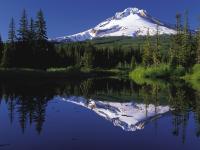

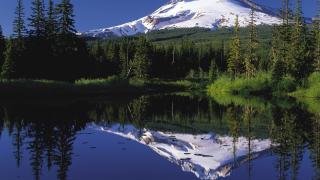
Crater Lake National Park sits at high elevation. The rim reaches over 6,000 feet. This altitude dictates strict seasonal access. Rim Drive closes annually due to heavy snow. The road typically opens in late June. It closes again by November. Snow removal takes months. You must plan around these dates. Winter access is limited to snowshoeing. Summer brings full road access. Services are sparse near the rim. Gas stations are absent in the park. You must fill fuel in Klamath Falls. Provisions are limited at Mazama Village. Bring all necessary food and water. The nearest grocery store is outside the boundary. Self-sufficiency is mandatory for visitors. Weather changes rapidly at this height. Pack layers for cold conditions. Sun exposure is intense. Hydration needs increase significantly. Check the National Park Service website. Verify current road status before traveling. Closures happen without warning. Plan extra time for travel. The drive requires careful preparation. Respect the seasonal constraints. They ensure safety and access.
The Coastal Crown: Oregon’s State Park Network
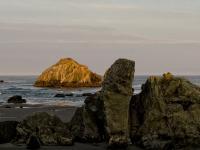
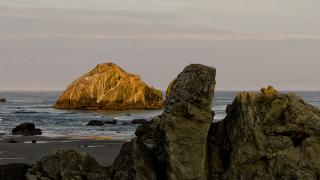
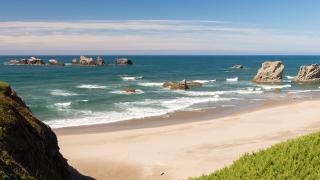
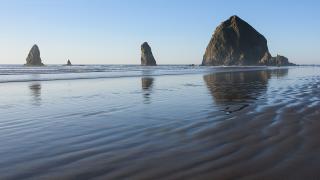
Oregon Parks and Recreation Department manages state parks. These sites line the rugged Pacific coast. Tide tables are critical for safe access. Many beaches close during high tide. Plan visits around low tide windows. Amenities vary significantly by specific site. Some locations offer full hookups. Others provide only basic pit toilets. Always verify water availability before arrival. Do not assume potable water exists. Check official Oregon State Parks websites. Use the Find a Park tool. Review current conditions for each site. Coastal weather changes rapidly. Bring layers for wind and rain. Leashed pets are allowed in many areas. Verify specific pet policies online. Entrance fees apply to most sites. Pay at kiosks or online. Campgrounds fill quickly in summer. Reserve spots well in advance. Tide-dependent access requires careful timing. Check local tide charts daily. Safety depends on accurate planning. Respect natural coastal environments. Leave no trace principles apply. Keep campsites clean and quiet. Support local conservation efforts. Oregon’s coast offers unique experiences. Proper preparation ensures a safe trip.
Reserve Strategy: The Role of Recreation.gov
Recreation.gov serves as the central booking platform for Oregon’s federal parks. Crater Lake National Park requires timed entry reservations during peak summer months. These slots fill rapidly, often within minutes of release. Advance planning is essential for successful access. State parks operate under a different system. The Oregon Parks and Recreation Department manages these sites. Many popular coastal locations, like Cannon Beach, require advance camping reservations. These bookings open on a rolling monthly basis. Waitlists are common for high-demand weekends. Visitors must check specific park websites for exact rules. Federal sites use Recreation.gov exclusively. State sites use their own reservation portal. Confusing the two systems leads to missed opportunities. Always verify the correct platform before booking. Summer visits demand the earliest possible reservation. Popular sites like Multnomah Falls also require parking passes. These passes are limited and sell out quickly. Plan your itinerary months ahead. Check for seasonal closures or permit changes. Flexibility helps avoid disappointment. Secure your spot early to guarantee entry. This strategy ensures a smooth visit to Oregon’s natural landmarks.
Safety Protocols: Weather and Terrain
Oregon’s diverse geography demands specific safety preparations. High-altitude areas like Crater Lake require cold-weather gear. Temperatures drop significantly above 6,000 feet. Sudden snowstorms can occur even in summer. Hikers must carry insulation and emergency shelters. Coastal trails in state parks present unique hazards. Slippery rocks and tidal surges threaten visitors. Always check tide tables before walking beaches. Wet conditions increase the risk of falls. Sturdy footwear with ankle support is essential. Trails in the Cascade Range are often rocky. Loose gravel makes hiking difficult without proper shoes. Awareness of local wildlife is critical for safety. Black bears inhabit forested areas near parks. Maintain a safe distance from all animals. Do not feed wildlife under any circumstances. Carry bear spray when hiking in remote zones. Check official park websites for current alerts. Weather conditions change rapidly in mountainous regions. Prepare for rain, wind, and sun exposure. Layered clothing helps manage body temperature effectively. Always inform someone of your hiking plans. Carry a map and compass as backups. GPS devices may fail in remote valleys. Oregon’s terrain requires respect and careful planning. Prioritize safety over speed on all trails.
Practical Logistics: Access and Amenities
Road conditions change rapidly in Oregon. Check official Oregon Department of Transportation alerts before departure. Winter closures affect high-elevation routes like Crater Lake. Rim Drive remains inaccessible until late spring. Verify current status via official .gov websites. Amenities vary significantly across state and national sites. Crater Lake offers limited services in winter. Many Oregon state parks lack potable water. Bring sufficient water for all activities. Restroom facilities range from flush toilets to vaults. Verify availability at your specific destination. Use the Find A Park tool for details. Follow strict Leave No Trace principles. Pack out all trash and food waste. Oregon’s fragile ecosystems require careful stewardship. Keep pets on leashes where permitted. Many coastal trails restrict pet access. Respect quiet hours and camping regulations. Timed entry reservations may be required. Check Recreation.gov for federal park slots. State parks often operate on a first-come basis. Plan for limited cell service in remote areas. Download maps before arriving at the site. Prepare for sudden weather shifts. High winds are common on the coast. Carry layers for temperature changes. Respect private property boundaries near park entrances. Stay on designated trails to protect vegetation. These logistical steps ensure a safe visit.