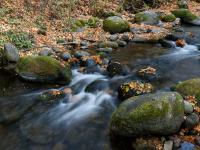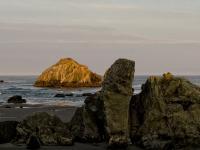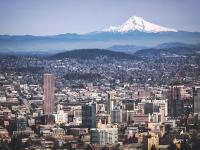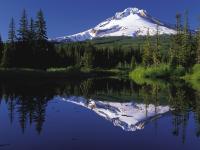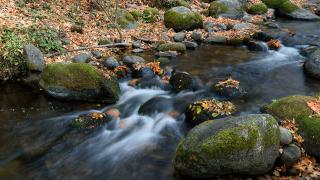
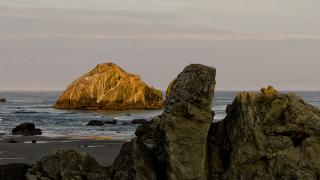
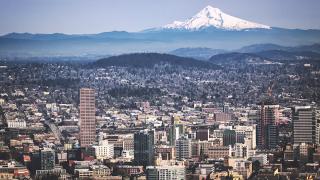
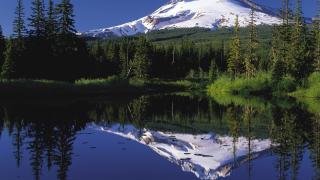
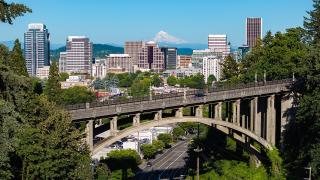
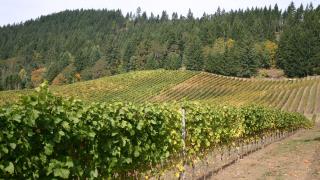
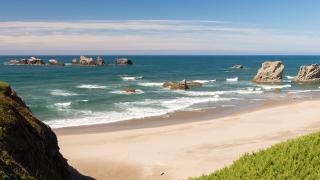
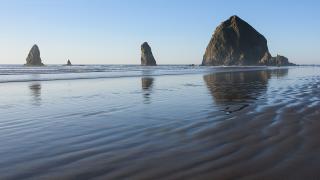
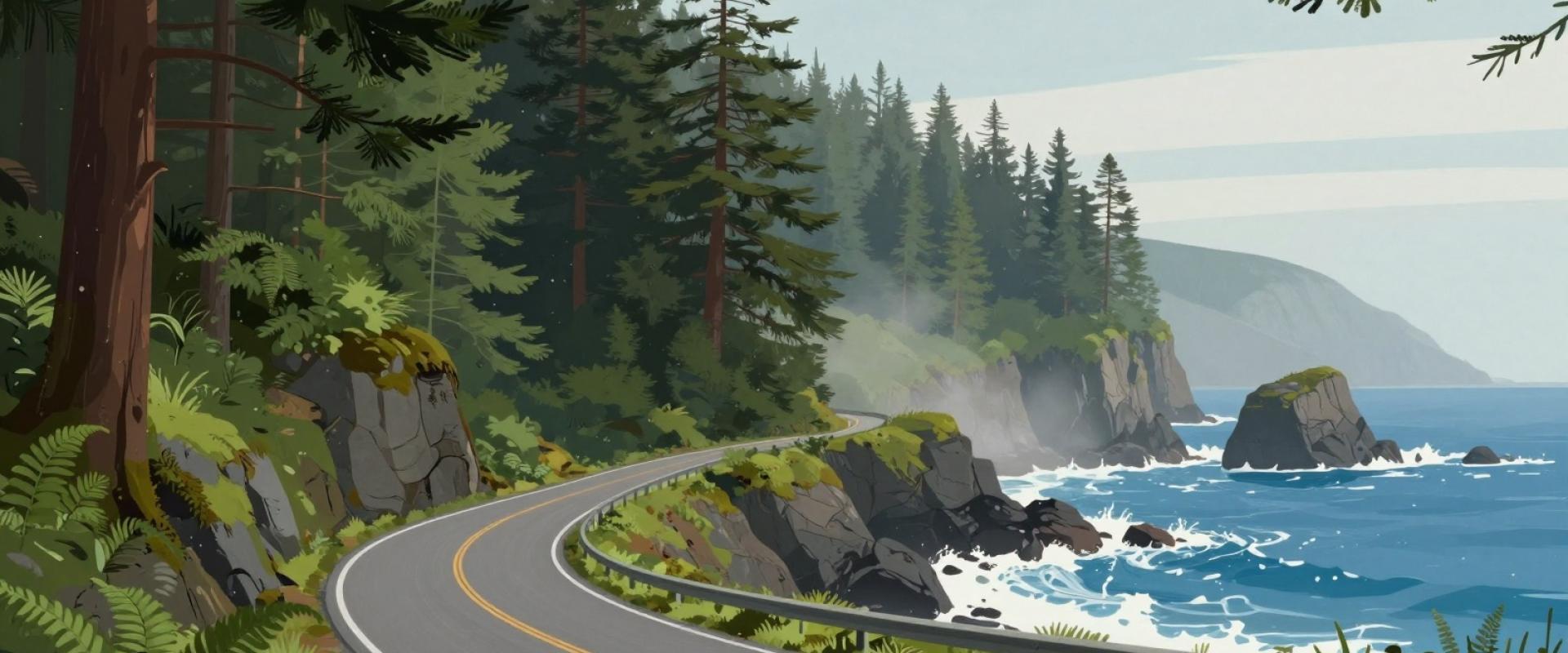
Oregon’s terrain dictates travel speed and route selection. The Coast Range creates a physical barrier between the Pacific and interior valleys. Roads here are winding and full of curves. Drivers must reduce speed for safety. The Cascade Range presents a second major barrier. Snow-capped volcanoes block direct east-west travel. The Columbia River Gorge offers the primary crossing point. This route connects the coast to the interior. Travel times increase significantly due to elevation changes. Misty rainforests line the coastal highways. Turquoise alpine lakes appear in high elevations. Understanding these natural barriers is essential for planning. You cannot drive straight across the state. You must navigate around or through these ranges. The terrain limits direct routes. It forces specific corridor usage. Coastal roads follow the shoreline closely. Cascade roads climb steep grades. Both require careful vehicle management. Weather impacts visibility on these routes. Fog is common near the coast. Snow is common in the Cascades. Drivers must prepare for variable conditions. The physical reality of the land shapes every trip. It determines how long journeys take. It defines which roads are viable. Ignoring these factors leads to delays. Respecting the terrain ensures safe passage.
Seasonal Dynamics and Weather Patterns
Oregon’s coastal routes face heavy winter rain. Snow blocks high-elevation passes like the Cascades. Winter travel requires caution on winding curves. Drivers must check conditions before departure. The Oregon Coast is often misty. Rain reduces visibility significantly in winter. Summer brings clear skies to inland valleys. Alpine lakes remain frozen until June. Volcanoes retain snow year-round. Road accessibility varies by season. Winter storms frequently close mountain roads. Drivers should monitor real-time traffic updates. Chain requirements apply during snow events. Summer traffic increases near popular destinations. Heat can affect tire pressure on long drives. Plan for delays during peak season. Always verify road status via official sources. Weather changes rapidly in mountainous regions. Carry emergency supplies for winter trips. Coastal fog may persist into July. Interior temperatures rise sharply in August. Prepare for variable conditions on all routes. Flexibility is essential for safe travel. Check forecasts daily before driving. Ensure your vehicle is winter-ready. Carry chains if traveling north. Avoid driving in heavy snow. Summer offers the best visibility. Plan trips around weather windows. Stay informed about local alerts.
Vehicle Preparation and Safety Protocols
Oregon’s coastal roads feature sharp curves requiring careful vehicle handling. Drivers must inspect tire tread depth before departure. Worn tires increase slip risk on wet pavement. Carry a functional spare tire and jack at all times. Check tire pressure weekly, especially before high-elevation passes. The Cascade Range demands reliable braking systems for steep descents. Wildlife poses a significant hazard on rural highways. Deer and elk cross roads frequently near forested areas. Reduce speed during dawn and dusk hours in these zones. Headlights improve visibility for both drivers and animals. Maintain a safe following distance to allow reaction time. Sudden stops are common when animals dart from brush. Keep emergency supplies in the trunk for unexpected delays. Include water, blankets, and a first-aid kit. Cell service is unreliable in many remote Oregon regions. Download offline maps before entering areas with poor signal. Inform someone of your route and expected arrival time. This protocol ensures safety on Oregon’s diverse scenic routes.
Oregon’s coastal roads feature sharp curves requiring careful navigation. Drivers must maintain low speeds on winding routes. Fire safety is critical during dry summer months. Check current fire restrictions before traveling. Many scenic byways have strict no-open-fire policies. Respect natural resources by staying on designated paths. Littering is prohibited and heavily fined in Oregon. Local communities value quiet and privacy. Avoid blocking driveways or private access roads. Use pullouts only where marked for safety. Wildlife crossings are common near forested areas. Yield to all animals and pedestrians immediately. Carry adequate water and emergency supplies. Cell service is unreliable in remote canyon areas. Download offline maps before entering remote zones. Oregon requires valid vehicle registration and insurance. Speed limits drop significantly in residential zones. Obey all posted signage regarding road closures. Plan extra time for scenic detours. These routes often lack immediate services. Respect local regulations to ensure safe travel. Oregon’s landscapes demand careful, responsible driving habits.
Planning and Final Preparations
Book coastal accommodations early. Demand exceeds supply in summer. Reserve campsites via Recreation.gov. Oregon State Parks fill quickly. Confirm vehicle rental insurance covers gravel roads. Coastal routes require specific driving caution. Roads feature sharp curves and limited visibility. Check weather forecasts daily. Mountain passes may close due to snow. Carry emergency supplies in your trunk. Include water, food, and blankets. Flexibility is essential for success. Weather changes rapidly in the Pacific Northwest. Adjust itineraries based on real-time conditions. Avoid rigid schedules to accommodate delays. Monitor road status updates frequently. Use official Oregon DOT resources. Plan alternative routes for closures. The Columbia River Gorge offers diverse stops. Verify permit requirements for popular areas. Some trails require advance reservations. Prepare for variable terrain. Gravel sections demand slower speeds. Ensure your vehicle handles winding paths. Safety remains the primary concern. Prioritize preparedness over speed. This approach ensures a secure journey. Adaptability allows for spontaneous discoveries. Stay informed about local regulations. Respect fire restrictions during dry months. Proper planning enhances the overall experience. Focus on logistical details. This strategy minimizes unexpected disruptions. Enjoy the scenic drive safely.