



Understanding Oregon's Diverse Habitats
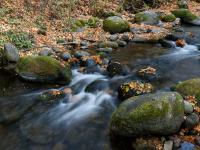
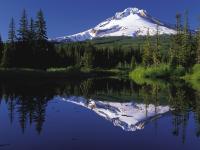
Oregon’s diverse ecosystems range from coastal forests to alpine peaks. This geographic diversity dictates local wildlife distribution. Large mammals like deer, elk, and moose inhabit specific regions. Deer are frequently seen along roadsides in western Oregon. The Dean Elk Viewing Area offers prime viewing opportunities. Other species include the secretive mountain beaver. These animals spend most time in underground tunnels. Skunks, raccoons, and rabbits are also common. Viewers must maintain a safe distance from all wildlife. Use binoculars to observe animals without disturbing them. This approach ensures safety for both visitors and animals. Understanding local ecology is key to successful watching. Always check specific park rules before visiting. Regulations vary by location and species. Adhering to these guidelines protects the wildlife. It also ensures a safe experience for all visitors. Oregon's unique habitats support a wide variety of species. This diversity makes wildlife watching a unique experience.
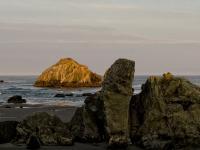
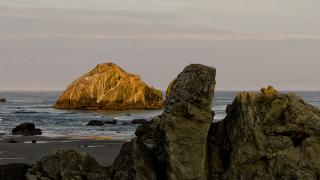
The Oregon coast offers distinct wildlife viewing opportunities. Sea otters and seals are common along the rocky shoreline. These marine mammals provide excellent viewing opportunities for visitors. Seasonal whale watching is also a key activity. Gray whales migrate along the coast each year. This seasonal pattern allows for consistent viewing opportunities. However, caution is essential when exploring these areas. The coastal environment features rugged terrain and changing tides. Tide changes can occur rapidly and unexpectedly. Visitors must remain aware of their surroundings at all times. The ecosystem is fragile and requires careful protection. Staying on designated paths helps preserve the habitat. Observing wildlife from a safe distance is crucial. This approach minimizes disturbance to the animals. Binoculars are recommended for closer observation. This method allows for detailed viewing without intrusion. Respecting the natural environment ensures its preservation. It also ensures the safety of all visitors. Always check local tide charts before visiting. This practice helps avoid dangerous situations during low tide. Staying informed is key to a safe experience.
Exploring the Forests and Mountains
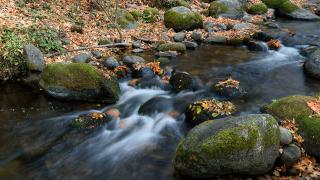
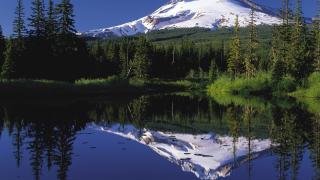
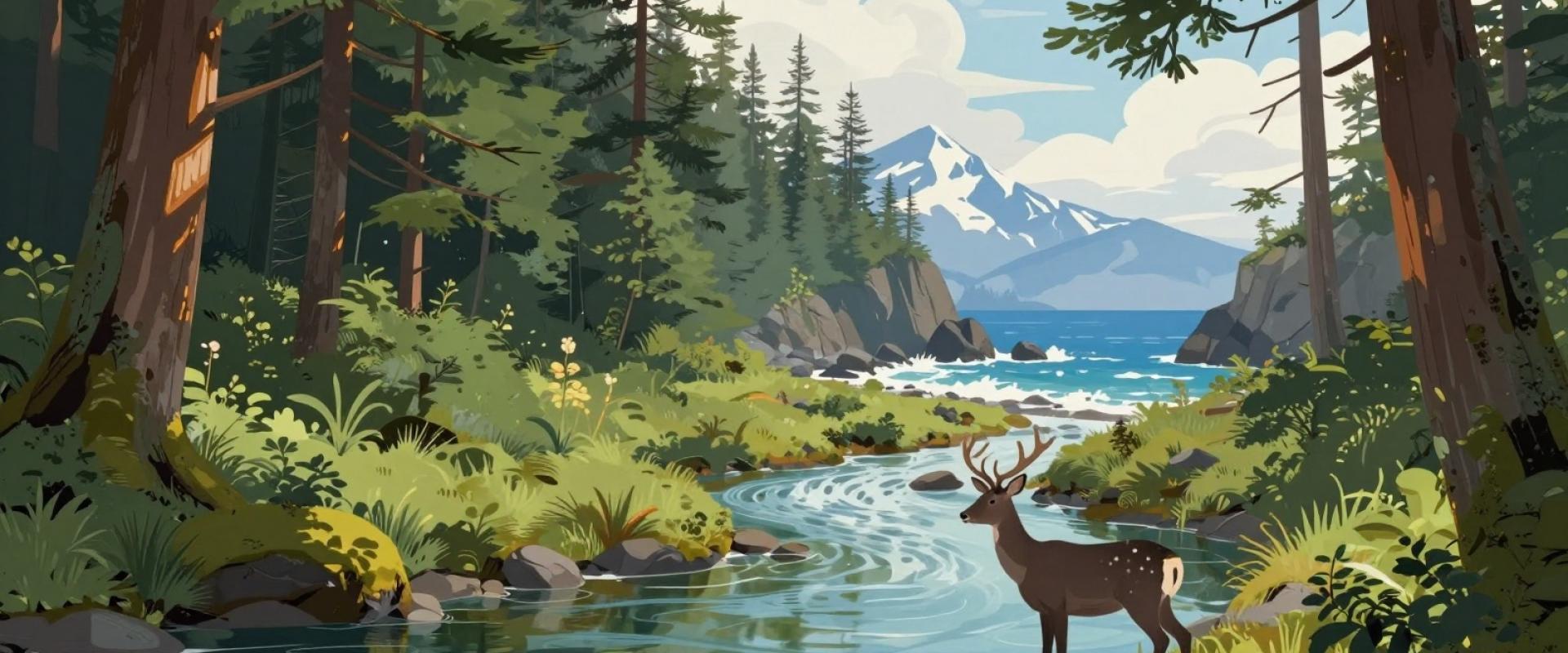
Black-tailed deer roam western Oregon forests. These animals are common and visible. Larger mammals inhabit higher elevations. Elk and moose live in these areas. Viewers can observe them at specific sites. The Dean Creek Elk Viewing Area is popular. The North Bank habitat also offers chances. Use binoculars for better viewing. Move silently to avoid disturbing wildlife. Remain still when animals are near. Keep a safe distance at all times. Do not approach bears or cougars. Maintain distance to ensure safety. Oregon’s diverse terrain supports many species. White-tailed deer are less common here. Focus on local regulations for safety. Always check specific park rules first. Respect wildlife boundaries strictly. This approach ensures a safe experience. Enjoy the natural beauty responsibly. Oregon’s forests offer unique viewing opportunities. Stay alert and aware at all times.
Ethical Guidelines for Wildlife Observation
Maintain a safe distance from all Oregon wildlife. Use binoculars to view animals without disturbing them. This is critical for the safety of both visitors and wildlife. Do not feed any animals, including deer or elk. Feeding creates dependency and health issues for the animals. Stay on designated paths in areas like the Dean Creek Elk Viewing Area. Avoid sensitive habitats to minimize environmental impact. Oregon’s diverse ecosystems require respectful observation. Regulations vary by location. Follow all local guidelines strictly. This ensures the protection of Oregon’s unique wildlife. Respecting these boundaries preserves the natural balance. It allows future generations to experience the same wildlife. Always prioritize the well-being of the animals over close-up views.
Planning Your Wildlife Watching Experience
Research specific locations like the Dean Elk Viewing Area. Check Oregon Department of Fish and Wildlife resources for local species. Prepare for variable weather with appropriate gear. Layer clothing for changing mountain conditions. Review park rules before visiting. Maintain a safe distance from all wildlife. Keep 100 yards from bears. Do not feed any wildlife. This protects both visitors and animals. Plan your trip around optimal viewing times. Early morning and dusk offer the best sightings. Check specific park rules for viewing distances. Regulations vary by location. Always prioritize safety and ethical observation. Respect the natural habitat of Oregon's wildlife.