Strategic Entry and Regional Hubs
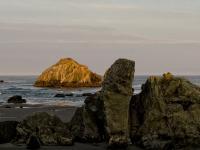
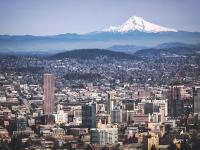
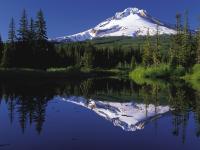
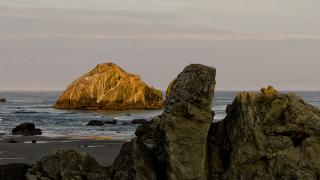
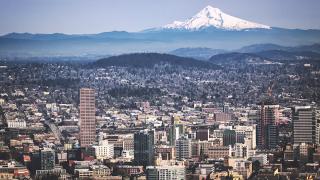
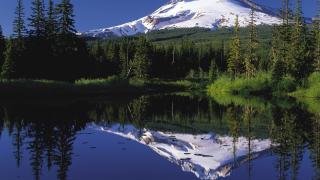
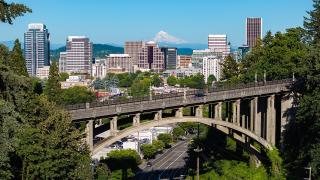
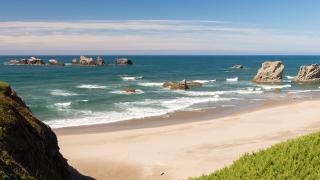
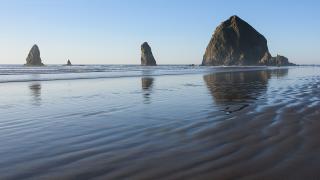
Fly into Portland International Airport (PDX) for the best flight options. Rent a car immediately to ensure flexibility. This vehicle is essential for accessing remote areas outside the city. Portland serves as a central hub for regional exploration. You can take day trips to various locations from this base. The guide highlights Crater Lake and the Painted Hills in the south. Central Oregon offers sites like Smith Rock and Lava River Cave. The Gorge area features Multnomah Falls and Timberline Lodge. The remote east includes Steens Mountain and the Wallowa Mountains. Highway 101 runs along the coast for sea stack views. Lincoln City offers specific stops like God’s Thumb. Always follow the seven principles of Leave No Trace. Sun protection is essential for all outdoor activities in the region. Plan your route carefully to maximize your summer experience.
Traffic congestion is a significant issue on the coastal highway. Highway 101 fills quickly during the summer months. Parking is limited in popular coastal towns like Cannon Beach. You must plan your arrival time carefully. Early morning travel is recommended to avoid peak traffic times. Arriving before 9 a.m. ensures better parking options. The coastal corridor experiences heavy volume in July and August. Patience is essential for a smooth coastal experience. Rushing through the corridor often leads to stress. Plan extra time for stops at scenic overlooks. Be prepared for sudden traffic slowdowns near popular beaches. Always check local traffic updates before starting your drive. Flexibility is key to enjoying the Oregon coast. Do not rush between destinations. Take time to appreciate the unique coastal landscape. Stay alert for pedestrians and cyclists on narrow roads. Respect local parking regulations to avoid fines. Plan alternate routes in case of major delays. Stay calm and drive safely along the coast.
High Desert and Alpine Realities
High desert regions experience hot, dry summer conditions. Temperatures rise sharply in central Oregon. Roads in these areas may be unpaved. Gravel surfaces require high-clearance vehicles. Check road conditions before traveling to remote areas. Closures are common due to maintenance or weather. Always verify access routes before departure. Carry ample water for all travelers. Dehydration is a significant risk in heat. Sun protection is essential for all exposed skin. Wear hats and apply sunscreen regularly. Prepare for rapid weather changes at high altitudes. Alpine zones remain cold even in summer. Pack layers to manage temperature fluctuations. Check tire pressure before entering rough terrain. Ensure your vehicle is equipped for off-road travel. Stay hydrated and monitor heat levels closely. Plan rest stops in shaded areas regularly. Be prepared for limited cell service in remote zones. Download offline maps before entering the desert. Carry extra water for vehicle cooling needs. Always inform others of your travel route. Check local fire restrictions before starting campfires. Follow all local regulations for land use. Respect private property boundaries in rural areas. Stay on designated trails to protect vegetation. Pack extra water for all travelers.
Accommodation and Booking Strategies
Book accommodation well in advance. Summer demand is high across Oregon. Crater Lake and Bend see heavy traffic. Book early to secure lodging. Consider alternative options like campgrounds. These offer budget-friendly stays. Check reviews before booking. Verify availability for specific dates. Flexibility is key to securing a room. Adjust dates if necessary. Use platforms like Vrbo for variety. They provide diverse lodging options. Read recent guest feedback carefully. This ensures a comfortable stay. Avoid last-minute bookings in peak season. Hotels fill quickly in summer. Plan ahead to avoid stress. Secure your accommodation early. This guarantees a place to rest. It simplifies the overall travel logistics. Peace of mind is essential for a good trip. Do not wait until the last minute. Secure your stay early in the planning process.
Oregon traffic rules require strict adherence to local laws. Drivers must yield to pedestrians at all crosswalks. This is a strict legal requirement, not a suggestion. Respect local customs by being polite to service staff. Greet staff with a simple, courteous greeting. This small gesture is appreciated in local communities. Be mindful of the impact of tourism on local areas. Do not block private driveways or residential streets. Leave no trace of your visit in natural spaces. Patience is key during peak summer travel times. Traffic congestion is common in popular tourist destinations. Wait patiently in line at popular attractions. Respect the quiet of rural communities. Drive at the posted speed limit. Avoid sudden stops or aggressive maneuvers. A positive travel experience relies on mutual respect. Be patient with other drivers and locals. This ensures a safe and enjoyable trip for everyone involved. Oregon values courtesy and safety on its roads.