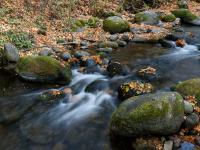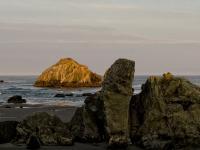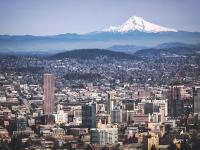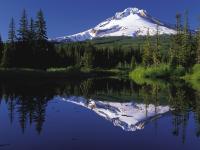
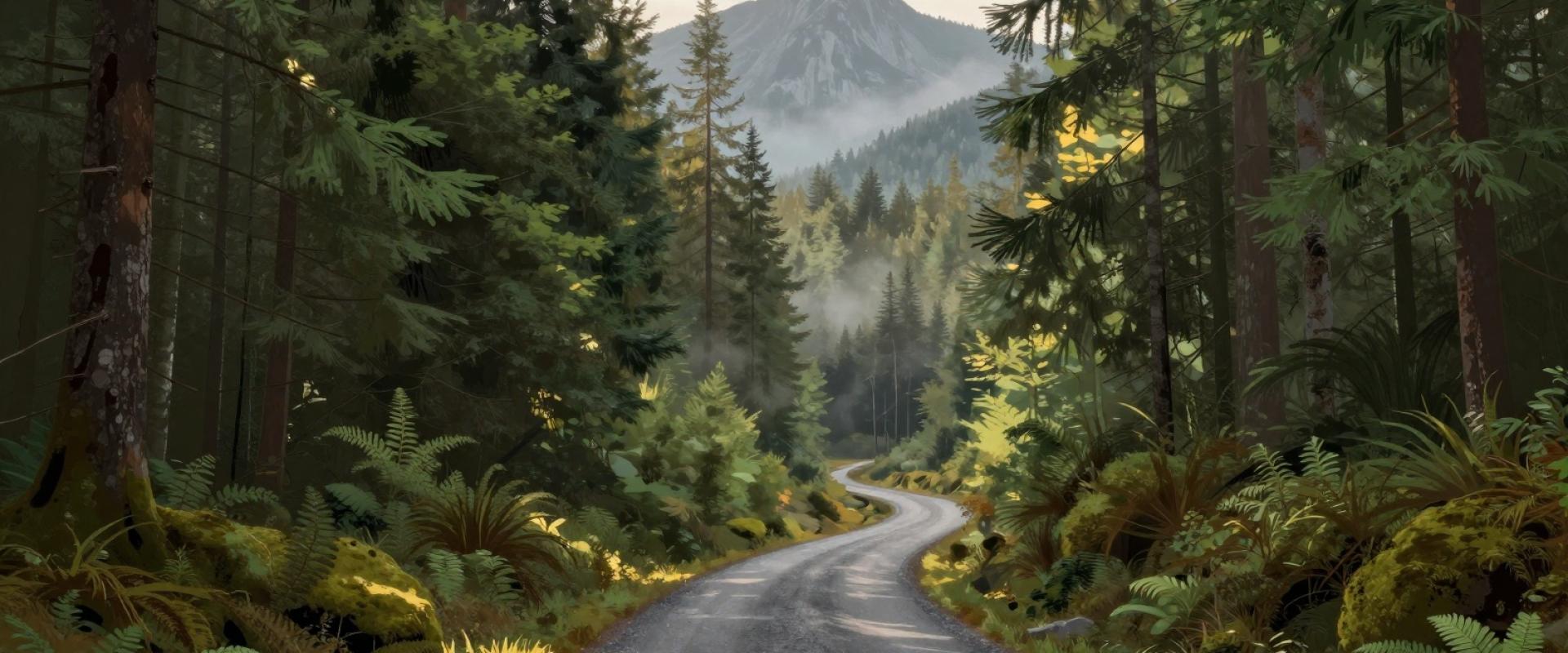
Oregon’s 29 designated Scenic Byways offer immersive landscape experiences distinct from efficient interstate transit. These routes prioritize dramatic scenery over speed, featuring rugged coastlines, majestic peaks, and massive canyons. Drivers should expect slower travel speeds and longer durations compared to major highways. The Oregon Department of Transportation manages this program to highlight diverse natural beauty. While interstates connect cities quickly, scenic byways provide unique access to rollicking rivers and rugged terrain. Planning tools like TripCheck offer essential weather forecasts and road condition updates. Drivers must adhere to posted speed limits, often capping at 55 mph on winding coastal sections. Caution is required for log trucks and sudden wildlife appearances like deer or elk. Rain and fog significantly reduce visibility, necessitating reduced speeds. Construction zones demand attention; slow down but avoid unnecessary stopping. These routes are designed for appreciation, not just transit. Travelers should plan for extended time to fully experience the state's diverse landscapes. The experience is defined by the journey, not just the destination. Safety remains paramount on these winding, sometimes wet, roads.
Coastal Highway Dynamics
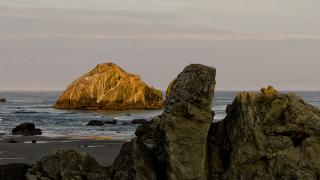
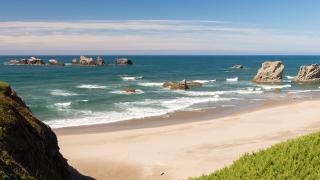
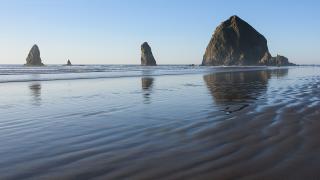
Oregon’s 363-mile coastline demands careful navigation. Drivers must adhere to posted speed limits. The maximum legal speed is 55 mph. This limit applies strictly around curves. Wet roads reduce traction significantly. Rain and fog decrease visibility daily. Reduce speed immediately when weather worsens. Watch for large log trucks entering highways. These vehicles require wide turning spaces. Wildlife hazards are frequent in this region. Deer and elk may cross suddenly. Remain alert for animals near the road. Construction zones require extra caution. Slow down but do not stop unnecessarily. Sudden stops can cause rear-end collisions. Plan stops at designated pullouts only. Do not stop on the roadway. Check road conditions before departing. Use online resources for real-time updates. The coastal route offers dramatic scenery. However, safety requires constant attention. Drive at a safe speed. Maintain a safe following distance. Oregon’s coastal highways are beautiful but demanding. Respect the road conditions at all times. Plan your trip with these factors in mind. Ensure your vehicle is ready for the journey. The coast is scenic but requires focus.
Mountain Pass Considerations
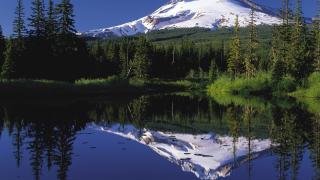
Oregon’s scenic byways traverse high-elevation terrain. Drivers face significant weather variability. Elevation changes create rapid temperature drops. Snow and ice are common hazards. Winter driving requires specific preparation. Check TripCheck for real-time road status. The Oregon Department of Transportation manages 29 designated routes. Many passes close during heavy snowfall. Verify seasonal access before departure. Vehicle readiness is critical for safety. All-season tires may lack traction. Snow chains or cables are often mandatory. Carry emergency supplies in your trunk. Steep grades demand careful speed control. Reduce speed on long descents. Use lower gears to prevent brake fade. Watch for sudden wildlife crossings. Deer and elk appear without warning. Maintain safe following distances. Adhere strictly to posted speed limits. This limit applies around sharp curves. Fog reduces visibility significantly. Adjust your speed to conditions. Plan for longer travel times. Scenic routes prioritize scenery over efficiency. Allow ample time for stops. Ensure your fuel tank is full. Gas stations are sparse in remote areas. Prepare for limited cell service. Download offline maps before entering mountains. Stay informed about current road conditions. Safety depends on proactive planning.
Strategic Route Planning
Use TripCheck for real-time Oregon road conditions. This official resource tracks weather and construction. Plan shorter daily segments to maximize enjoyment. Long drives reduce time for scenic stops. Identify essential fuel sources before departure. Rural Oregon routes lack frequent gas stations. Check vehicle readiness for winding coastal curves. Reduce speed during rain or fog. Visibility decreases significantly in coastal weather. Watch for log trucks on highways. Wildlife like deer may appear suddenly. Oregon’s 29 Scenic Byways offer diverse views. These routes prioritize scenery over speed. Avoid interstates for dramatic landscape experiences. Plan for winter driving safety guidelines. Elevation changes cause rapid temperature drops. Slow down in construction zones. Do not stop unnecessarily on roads. Use official planning tools for accessibility. This ensures a smooth travel experience. Prioritize safety over schedule adherence.