





Oregon’s fire season demands strict adherence to safety protocols. The State Fire Marshal emphasizes that prevention is critical for all travelers. Campers, RV users, and hotel guests must prepare before arrival. Fires spread rapidly in unfamiliar Oregon environments. Preparation minimizes risks and ensures effective emergency response. You must carry an emergency preparedness kit. Include extra food, water, and supplies for pets. Pack a first aid kit and necessary medications. Store emergency contact information in a visible location. Use reliable communication devices for remote areas. Cell service is often unreliable in the wilderness. Text messaging is more reliable than voice calls. Always check local burn bans before starting fires. Follow all local regulations regarding open flames. If staying in hotels, locate exit routes immediately. Ensure exit doors are unlocked and accessible. In a fire, use stairs, never elevators. Seal doors if trapped and signal for help. These steps ensure safety during outdoor adventures. Oregon’s unique environment requires specific, careful preparation. Always prioritize safety over convenience in the wild.
Essential Gear and Emergency Kits
Oregon’s remote areas lack reliable cell service. Texting is the recommended communication method. Travelers must carry reliable communication devices. Emergency kits require extra food and water. Include water for pets in your pack. A comprehensive first aid kit is mandatory. Carry all necessary personal medications. Store emergency contact information securely. Physical maps serve as critical navigation backups. Cell signals fail frequently in the wilderness. Prepare for changing water levels and lightning. Wildlife encounters require specific safety knowledge. Ask "what-if" questions before entering backcountry. Preparation mitigates inherent wilderness risks. No safety guarantees exist in the wild. Knowledge increases confidence and competence. Pack items for rapid fire spread scenarios. Oregon’s environment demands strict preparedness. Carry supplies for extended unexpected delays. Ensure all gear is weather-resistant. Check kit contents before every trip. Oregon’s terrain varies from coast to desert. Adjust gear based on specific region. Remote locations require self-sufficiency. Do not rely on rescue services. Carry a whistle for signaling. Bring a multi-tool for repairs. Pack a headlamp with extra batteries. Oregon’s weather changes rapidly. Layer clothing for temperature shifts. Always inform someone of your route.
Accommodation Safety Protocols
Oregon hotels require immediate escape plan review upon arrival. Locate all exits and count doors to the nearest stairwell. Ensure all exit doors remain unlocked at all times. Report any malfunctioning locks to management without delay. Keep room keys accessible near the bed for quick retrieval. Never use elevators during a fire emergency in Oregon. Stairs are the only safe evacuation route for guests. Elevators may fail or open onto burning floors. If trapped in a room, seal the door tightly. Use wet towels to block smoke entry under the door. Call 911 immediately to report your specific location. Signal for help from a window using a bright cloth. Oregon’s rapid fire spread demands strict adherence to these rules. Preparation minimizes risk in unfamiliar commercial lodging environments. Always prioritize stair usage over elevator convenience. Familiarity with your specific room layout saves critical time. These protocols apply to all commercial accommodations statewide.
Terrain-Specific Recreation Advice
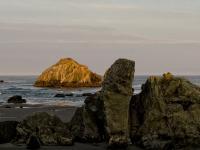
Oregon’s diverse terrain demands specific safety protocols for each region. Coastal hazards include sudden wave surges and slippery rocks. Hikers must maintain a safe distance from the water’s edge. Mountain altitude risks require acclimatization to prevent altitude sickness. Hikers should ascend gradually and monitor physical symptoms closely. High-elevation trails often experience sudden weather changes. Always carry extra insulation layers for cold conditions. Desert regions in the southeast require strict water management. Carry at least one gallon of water per person daily. Sun exposure is intense with minimal shade coverage. Apply high-SPF sunscreen and wear protective headgear. Hydration is critical during hot, dry afternoons. Always check local fire restrictions before starting campfires. Check current fire danger ratings daily. Avoid open flames during high wind conditions. Prepare for rapid weather changes in all regions. Carry emergency communication devices in remote areas. Cell service is often unavailable in rural zones. Always inform others of your planned route. Carry extra food and water for emergencies. Know the location of the nearest cell tower. Prepare for unexpected delays in remote areas. Always carry a first aid kit. Include essential medications in your emergency pack. Check local regulations before entering restricted areas. Respect closed trails to protect sensitive ecosystems. Always follow Leave No Trace principles. Pack out all waste and debris. Leave natural features undisturbed for future visitors. Always check current fire restrictions before starting campfires. Check local fire danger ratings daily.
Responsible Recreation and Leave No Trace
Oregon’s fragile ecosystems require strict Leave No Trace adherence. Hikers must stay on designated trails to protect native vegetation. Campers must pack out all waste, including food scraps. Oregon’s wildlife demands respectful distance to ensure safety. Do not approach bears, mountain lions, or elk. Maintain a 100-yard distance from bears and wolves. Keep a 25-yard distance from other large mammals. Wildlife feeding is illegal and disrupts natural behaviors. Trail conservation prevents erosion in Oregon’s wet climates. Use established campsites to minimize soil disturbance. Oregon’s high desert regions recover slowly from damage. Fire safety remains critical during dry seasons. Check current fire restrictions before lighting any stove. Use established fire rings where permitted. Carry a shovel to bury human waste six inches deep. Cover all waste with native soil. Respect private land boundaries in rural Oregon. Obtain necessary permits for backcountry camping. Report trail damage to local authorities immediately. These practices preserve Oregon’s outdoor lifestyle for future visitors.