
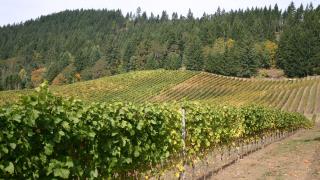
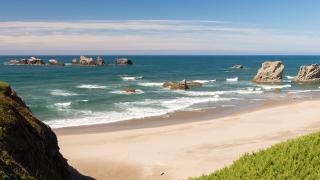
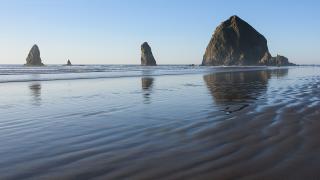

Oregon’s pricing structures vary significantly by region and season. Urban centers like Portland offer distinct budget options compared to rural wilds. Accommodation costs range widely across the state. A camping tent site costs approximately $17 per night. Hostel dorms provide a slightly pricier option at $28. Basic hotel rooms average around $100 per night. Self-catering apartments, such as those on Airbnb, cost about $110. These rates reflect the high demand in tourist areas. Transportation costs are manageable with local transit. A daily pass for public transport costs $5.60. This pass covers local buses and light rail. Walking is a viable, free alternative in dense areas. Food expenses are moderate but vary by choice. A sandwich costs approximately $10. A dinner for two averages $50. Coffee is affordable, ranging from $3 to $6. Wine tasting offers a lower-cost leisure activity at $15. Seasonality impacts these prices significantly. Peak summer months see higher rates for lodging. Planning ahead is essential for budget travelers. Skipping car rentals can reduce overall trip costs. Utilizing local transit saves money on transportation. These strategies help manage expenses effectively. The diverse landscape offers varied budget opportunities. Each region presents unique cost structures. Careful planning ensures an affordable experience. The state’s natural beauty remains accessible. Budget options exist for every traveler. Oregon provides value for careful planners.
Affordable Accommodation Strategies
Budget travelers in Oregon have several affordable accommodation options. Hostels in major cities like Portland offer budget-friendly dorms. These typically cost around $28 per night. This is significantly cheaper than standard hotel rates. For those preferring rural settings, budget motels are available. State park campgrounds also provide affordable lodging. These sites cost approximately $17 per night for a tent. Self-catering apartments are another option, costing around $100. This is higher but includes kitchen facilities. Travelers should plan accommodation costs carefully. Daily expenses vary by lodging type. Hostels offer the most affordable rate. Campgrounds provide a budget-friendly outdoor alternative. Motels offer a middle-ground option. All options require advance booking during peak seasons. This ensures availability and better rates. Oregon offers diverse options for every budget. Careful planning ensures an affordable and enjoyable trip. The state provides excellent value for money. Travelers can enjoy nature without high costs. Budget options make Oregon accessible to all. Careful planning ensures a smooth and affordable experience. The state offers great value for budget travelers. Careful planning is key to a successful trip. Oregon provides excellent options for budget-conscious travelers. Careful planning ensures a memorable and affordable experience.
Managing Daily Expenses
Cooking meals reduces food costs significantly. Portland dining averages $10 for sandwiches. Dinner for two costs approximately $50. Coffee ranges from $3 to $6. Public transit in Portland costs $5.60 daily. Skip car rentals to save money. Walk between major sites in Portland. Use local bike share schemes for transport. This avoids rental fees and parking hassles. Access free natural attractions across the state. Oregon offers diverse landscapes without entry fees. Hiking trails provide low-cost recreation options. Wine tasting is affordable at $15. This offers cultural experience on a budget. Plan activities around free public spaces. Utilize city parks for relaxation. Avoid expensive guided tours when possible. Self-guided exploration saves substantial funds. Oregon’s public transit system is efficient. The daily pass covers all zones. Walking remains the cheapest transport method. Combine transit with walking for efficiency. Free attractions offset paid accommodation costs. Camping sites start at $17 nightly. This complements free day activities. Budget travelers can enjoy Oregon fully. Strategic planning minimizes daily expenses. Focus on low-cost food and transport.
Smart Transportation Choices
Portland offers efficient public transit for budget travelers. A daily pass costs $5.60. This covers buses and streetcars across the city. Walking remains the most economical option. Major sites cluster closely in downtown areas. This eliminates fuel and parking fees entirely.
Bike-share programs provide flexible, low-cost mobility. Local schemes allow short-term rentals. These are ideal for exploring neighborhoods. They avoid the high cost of driving. Parking in urban centers is expensive and scarce.
Car rentals are generally discouraged for city stays. Daily rates add significant expense to your trip. Insurance and fuel further increase total costs. Alternatives like transit and biking are cheaper. They also reduce stress in traffic.
For regional travel, compare rental prices carefully. Sometimes driving is necessary for remote areas. However, Portland’s infrastructure supports car-free visits. Utilize the $5.60 daily pass effectively. Combine walking with bike shares for maximum savings. This strategy minimizes daily transportation expenses significantly.
Safety and Practical Considerations
Budget travelers must prioritize safety in Oregon’s diverse environments. Camping costs $17 nightly but requires strict preparation. Weather shifts rapidly in rural wilds. Pack layers for sudden temperature drops. Urban hostels in Portland offer secure dorms at $28. These facilities provide controlled access for peace of mind. Always lock valuables in provided lockers. Awareness of surroundings remains critical in all settings. Portland’s walkable layout reduces traffic risks. Use designated crosswalks when navigating city streets. Public transit passes cost $5.60 daily. This affordable option minimizes driving fatigue. Avoid walking alone in poorly lit areas after dark. Research specific neighborhoods before booking accommodations. Rural sites lack immediate emergency services. Carry a fully charged phone and power bank. Inform others of your daily itinerary. Oregon’s natural beauty demands respect. Stay on marked trails to avoid injury. Hydration is essential during outdoor activities. Budget options often lack climate control. Verify heating availability in winter months. Prepare for rain with waterproof gear. This practical approach ensures a safe, affordable trip.
Final Planning Checklist
Create a comprehensive budget covering lodging, food, and transit. Accommodation ranges from $17 for camping to $110 for apartments. Book lodging early to secure lower rates. Hostels in Portland cost approximately $28 per night. Plan transportation using public transit instead of rentals. Daily bus and streetcar passes cost $5.60. Walking between major sites eliminates vehicle costs. Pack layers for rapid weather shifts in wilds. Prepare for cold nights if camping outdoors. Estimate daily food costs around $10 for sandwiches. Dinner for two averages $50 at local restaurants. Coffee prices range from $3 to $6. Wine tasting offers affordable activities at $15. Stay flexible with itineraries to adjust spending. Positive attitudes help manage unexpected travel expenses. Prioritize safety when exploring rural areas independently. Verify campsite availability before arriving in remote zones. Use bike share schemes for efficient city travel. Monitor daily expenses to stay within limits. Adjust dining choices based on available funds. Confirm public transit schedules for accurate timing. Pack essential gear to avoid rental fees. Review all costs before finalizing travel plans. Maintain a realistic daily spending cap. Seek free cultural events in urban centers. Utilize self-catering options to reduce meal costs. Stay informed about seasonal price variations. Plan activities around affordable public transport hubs. Keep emergency funds for unforeseen circumstances. Verify accommodation cancellation policies before booking. Research local recycling rules for camping trips. Check weather forecasts for packing accuracy. Confirm public transit coverage for specific destinations. Evaluate total trip costs against budget limits. Adjust plans if expenses exceed initial estimates. Remain adaptable to changing travel conditions. Focus on value rather than luxury. Prioritize essential experiences over expensive extras. Verify all prices are current and accurate. Ensure all bookings are confirmed and paid. Prepare documentation for potential safety checks. Stay organized to maximize budget efficiency. Review checklist items before departure. Confirm all reservations are active. Pack according to planned activities. Verify transportation methods are accessible. Check accommodation amenities for suitability. Review daily expense projections. Adjust spending habits as needed. Stay positive throughout the journey. Enjoy Oregon’s diverse landscapes responsibly. Plan for a safe and affordable trip. Utilize all available budget resources. Make informed decisions daily. Keep track of all expenditures. Maintain flexibility in all plans. Ensure safety in all activities. Enjoy the experience fully. Plan for future trips. Learn from this budget experience. Apply lessons to next journey. Stay within financial limits. Enjoy Oregon’s natural beauty. Respect local regulations always. Support local businesses where possible. Reduce waste during travel. Conserve resources in wilds. Leave no trace behind. Protect Oregon’s environment. Enjoy responsible tourism practices. Stay mindful of costs. Plan wisely for success. Enjoy every moment. Create lasting memories. Travel safely and cheaply. Explore Oregon fully. Budget effectively. Plan thoroughly. Enjoy responsibly.