The Cultural Landscape Overview
Oregon’s arts sector contributed $829 million to the economy in fiscal year 2022. The state ranks No. 10 in the SMU DataArts Arts Vibrancy Index. This ranking holds for three consecutive years. Artistic expression remains deeply tied to the natural environment. The landscape features a unique blend of traditional and contemporary styles. Cultural institutions prioritize community focus and public accessibility. The Oregon Cultural Trust launched a digital field guide in October 2012. This platform catalogs over 1,300 local cultural organizations. Users can interact with an interactive nomination system. The system highlights specific regional artists and their work. Visual media includes portraits of local cultural icons. These elements define the unique cultural landscape of the region. The state supports a robust network of creative professionals. This infrastructure supports the diverse artistic community across the state.
The Oregon Cultural Trust provides digital tools for planning. The 'Introducing Oregon' guide offers a comprehensive list of cultural institutions. This resource catalogs over 1,300 local cultural nonprofits. Users can explore these organizations through an interactive online interface. The platform allows for personalized exploration of local arts. You can filter options based on specific interests. The interface highlights visual media contributions effectively. For example, it features portraits by photographer Holly Andres. These images capture Oregon cultural icons like Cheryl Strayed. The guide also includes short video content. These videos showcase the impact of local nonprofit projects. A notable example is the High Desert Museum in Bend. Another featured project is the wash ashore initiative by Bandon. These digital tools support the state's cultural ecosystem. The Oregon Arts Commission ranks tenth in national vibrancy. This status reflects the strength of the local arts sector. The sector contributes significantly to the state economy. The digital guide helps visitors navigate this landscape. It provides practical information for planning visits. The interface is designed for ease of use. It connects users with local cultural institutions directly. This accessibility enhances the overall cultural experience. The digital tools bridge the gap between online research and physical attendance. They ensure that cultural institutions remain accessible to all. The integration of digital and physical elements is seamless. This approach supports the vibrant arts community in Oregon.
The Coast’s Creative Pulse
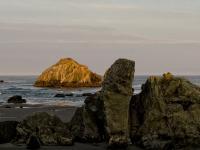
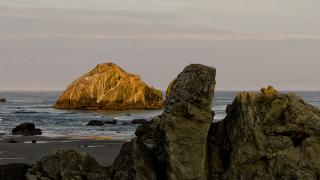
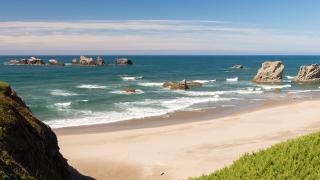
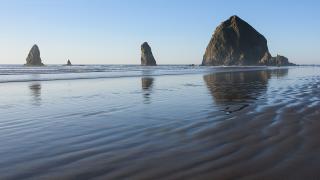
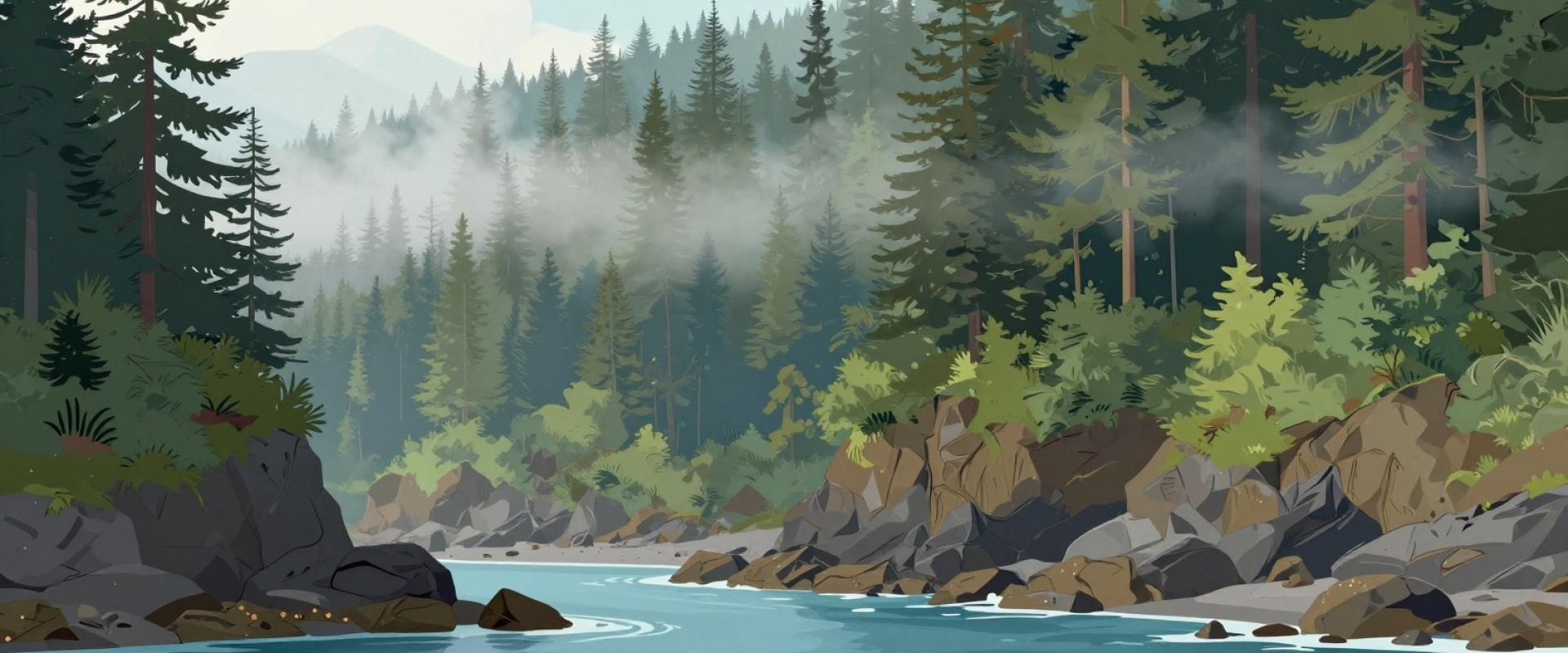
The Oregon Coast is more than just rugged cliffs and crashing waves; it is a vibrant hub for local artists and cultural institutions that breathe life into the region’s unique character. Here, the creative pulse beats in rhythm with the tides, fostering a community where creativity thrives alongside the natural world. Local artists, such as Becky Tonkin, play a pivotal role in this dynamic landscape, weaving the raw beauty of the Pacific Northwest into their work. Their art captures the essence of the coast, from the misty mornings to the stormy evenings, creating a visual narrative that resonates deeply with both residents and visitors. The region’s cultural institutions, including galleries, museums, and community centers, offer a diverse and immersive experience. These spaces serve as vital hubs for creativity, hosting exhibitions, workshops, and performances that celebrate the rich tapestry of local culture. By supporting local artists, the community ensures that the unique voice of the coast continues to thrive, preserving its cultural heritage while embracing new creative expressions.
Institutional Access and Logistics
Plan visits to Oregon’s cultural institutions carefully. The state supports over 1,300 cultural nonprofits. These organizations offer diverse programming across the region. Check operating hours before visiting specific venues. Many institutions provide accessible facilities for all visitors. This ensures inclusive access to arts and culture. Review admission fees for each specific location. Costs vary significantly between different institutions. Plan ahead to secure entry for special exhibitions. Special events often enhance the standard cultural experience. Check for special exhibitions that may enhance the visit. Verify opening times for specific days or holidays. Plan ahead to ensure a smooth and enjoyable experience. Avoid last-minute planning to prevent disappointment. Verify ticket availability for popular local events. Support local arts by purchasing admission directly. This supports the local cultural ecosystem directly. Check for special events or exhibitions that may enhance the visit. Verify access needs for specific accessibility requirements.
Supporting Local Art and Community
Support local artists by purchasing work directly. This direct exchange sustains individual creators. It also supports cultural institutions through attendance. Visiting local venues provides essential financial stability. These donations preserve unique regional cultural identities. Oregon’s creative community relies on this public support. The state’s artistic vibrancy depends on local engagement. Travelers should prioritize local businesses over generic options. This approach preserves the unique character of the region. Supporting local arts ensures the survival of local traditions. It maintains the unique cultural identity of the area. This action directly impacts the local creative economy. It ensures the continued production of local art. This support is vital for the local arts community. It helps preserve the unique cultural identity of Oregon.