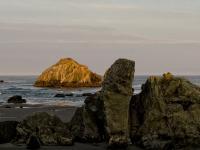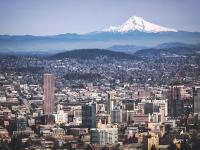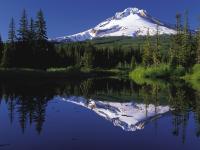




Oregon’s winter driving demands strict elevation awareness. Coastal regions experience heavy rain, while the Cascades face significant snow accumulation. Weather patterns shift rapidly across short distances. Drivers must monitor conditions continuously. The Oregon Department of Transportation provides essential resources. Their website offers specific guides for rain and snow. Siskiyou Summit requires special attention during winter months. Tire chain laws apply to many state routes. Drivers should check current road status before travel. AAA lists winter driving tips for general safety. These include slower speeds and increased following distance. Accelerate gently to maintain traction on icy surfaces. Leave extra space between vehicles for stopping. Check vehicle tires and brakes regularly. Media professionals can access winter travel news graphics. Crash statistics highlight the risks of poor conditions. Prepare for variable weather by carrying emergency supplies. Understand local chain requirements for your vehicle type. Drive for conditions, not speed limits. Oregon’s diverse terrain requires adaptable driving strategies. Stay informed via official state transportation channels. Prioritize safety over schedule during winter storms.
Deciphering ODOT Chain Laws
Oregon enforces strict chain control laws during winter storms. These regulations apply primarily to mountain passes like the Siskiyou Summit. Drivers must understand three distinct levels of control. Level 1 requires carrying chains. You must have them in your vehicle. Installation is not yet mandatory. This level prepares drivers for potential hazards. Level 2 mandates installing chains on all tires. Four-wheel-drive and all-wheel-drive vehicles must also comply. You must install chains on the drive wheels. This level indicates significant snow accumulation. Level 3 prohibits travel without chains. All vehicles must have chains installed. This is the most restrictive phase. You cannot proceed without proper equipment. The distinction between carrying and installing is critical. Carrying allows movement; installing ensures traction. Always check real-time ODOT status before departure. Road conditions change rapidly in the Cascades. Fines apply for non-compliance with these laws. Prepare your vehicle for these specific requirements. Ignorance of the law is not an excuse. Ensure your chains fit your tire size. Verify your vehicle meets the current level. Stay informed to avoid legal penalties. Winter travel requires strict adherence to these rules.
Essential Vehicle Preparation
Oregon’s winter roads demand specific vehicle readiness. All-season tires often fail on icy Cascades passes. Install dedicated winter tires for better traction. This change significantly reduces stopping distances on snow. You must maintain a full fuel tank at all times. Low fuel risks freezing lines in subzero temperatures. Keep your gas tank above half during storms. Prepare a comprehensive emergency kit for your vehicle. Include blankets, non-perishable food, and water for each passenger. Add a flashlight, first aid supplies, and a phone charger. Pack a small shovel to clear snow from tires. Check your battery health before the season begins. Cold weather drains battery power rapidly. Inspect wiper blades for cracks or stiffness. Replace them if they leave streaks on the windshield. Verify brake function and fluid levels thoroughly. Ensure your heater and defroster operate correctly. These systems are critical for visibility in fog. Perform these checks before traveling to Siskiyou Summit. Regular maintenance prevents breakdowns on remote mountain roads. Stay prepared to handle Oregon’s unpredictable winter conditions safely.
Mastering Winter Driving Techniques
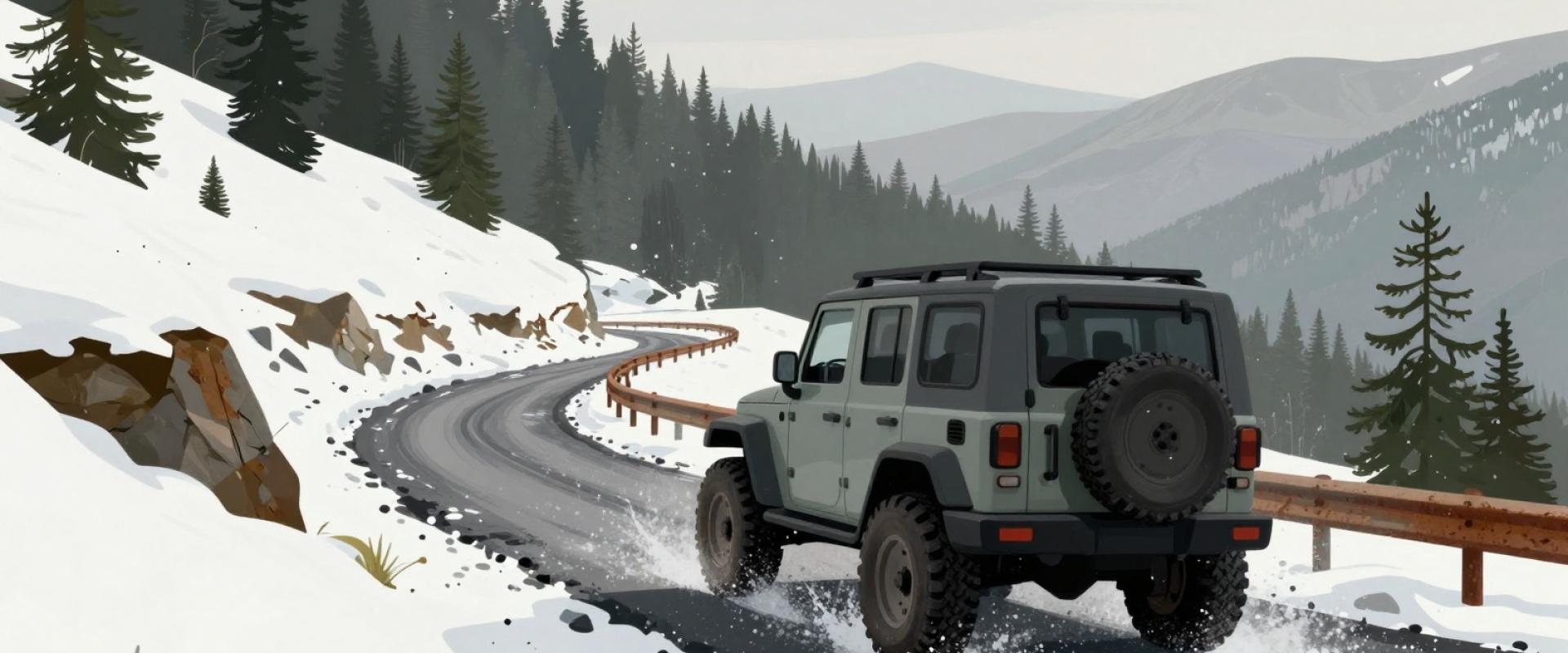
Oregon’s winter roads require specific driving adjustments. Reduce speed immediately when conditions deteriorate. Increase following distance to at least six seconds. This extra space allows for longer stopping times on icy surfaces. Accelerate and brake gently to maintain traction. Sudden movements often cause loss of control on Oregon’s mountain passes. Icy bridges freeze before regular pavement. Treat all bridges with extreme caution during cold snaps. Avoid using cruise control entirely. It can cause wheel spin on slippery surfaces. If a skid occurs, steer in the direction of the slide. Do not slam the brakes. Check ODOT’s website for real-time road status. Carry tire chains for Siskiyou Summit travel. Chains are mandatory during Level 2 or 3 controls. Prepare for rapid weather changes in the Cascades. Visibility often drops sharply during snow events. Use low-beam headlights to improve visibility. High beams reflect off snow, reducing sightlines. Stay informed about local chain laws. Compliance ensures safety for all travelers on Oregon highways.
Real-Time Resources and Planning
Oregon drivers must utilize official state resources before departure. The Oregon Department of Transportation (ODOT) website provides critical updates. Access the 511 system for live road condition reports. This tool displays current chain control levels on major passes. Check the Siskiyou Summit status specifically for I-5 travelers. Plan alternate routes if primary highways show heavy snow accumulation. Coastal weather differs significantly from mountain conditions. Monitor coastal forecasts for heavy rain and wind risks. These conditions cause reduced visibility and hydroplaning hazards. Always carry emergency supplies in your vehicle. Include blankets, water, and non-perishable food items. If stranded, remain with your vehicle at all times. Turn on hazard lights to increase visibility to other drivers. Stay inside to conserve body heat and fuel. Avoid exiting the vehicle unless absolutely necessary for safety. Signal for help by tying a bright cloth to the antenna. This visual cue assists rescue teams in locating your position. Verify your phone battery is fully charged before traveling. Download offline maps as a backup for areas with poor signal. These steps ensure preparedness for unexpected winter delays.