


Selecting Your Oregon Rig
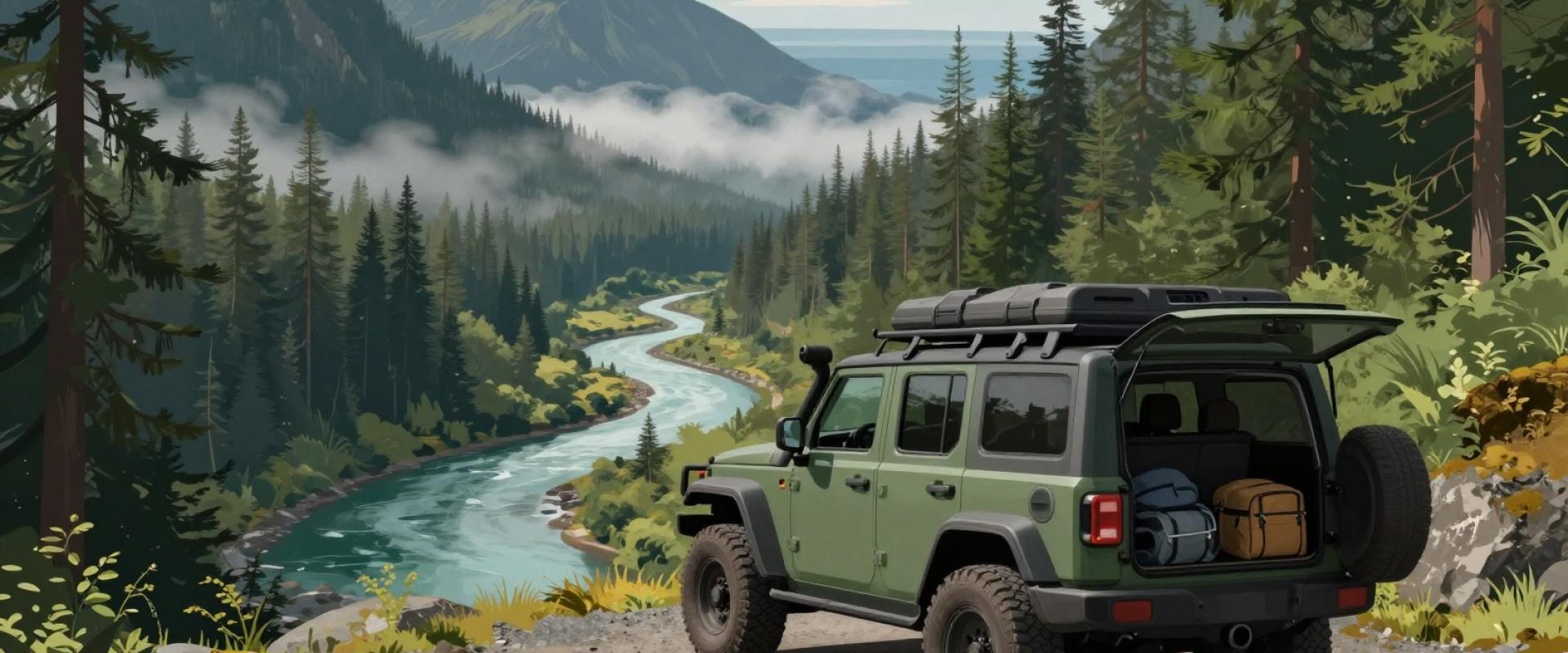
Match your vehicle to your Oregon itinerary. Sedans suffice for coastal highways and city driving in Portland. They handle paved roads efficiently. AWD or 4WD is essential for mountain passes. The Cascade Range requires traction in snow. High desert roads also benefit from four-wheel drive. Book early for peak summer season. Inventory at Portland International Airport (PDX) depletes quickly. Limited supply drives up rental costs significantly. Consider luggage space for outdoor gear. Oregon trips often involve camping or hiking equipment. Compact cars lack room for large backpacks. SUVs provide necessary cargo capacity for gear. Plan for extra storage if visiting remote areas. Road conditions vary drastically across the state. Coastal routes remain clear year-round. Mountain roads may close due to weather. Check local conditions before departing. Renting from major airports offers more choices. Smaller regional airports have limited fleets. Compare prices across multiple rental companies. Early booking secures better rates and vehicle types. Ensure your rig matches your planned destinations. Mismatched vehicles lead to difficult driving conditions. Prioritize comfort and capability for long drives. Oregon’s diverse terrain demands careful vehicle selection. Proper preparation enhances your road trip experience. Avoid last-minute rentals during busy periods. Secure your preferred vehicle type in advance. This strategy ensures a smoother journey. Focus on practical needs over luxury features. Reliability matters more than style in Oregon. Choose a vehicle that handles varied landscapes. This approach minimizes travel stress significantly.
One-way rentals in Oregon offer flexibility for linear road trips. However, they often incur high drop-off fees. These fees can significantly increase your total rental cost. Always check for mileage limits before booking. Some agencies charge per-mile fees after a set limit. Verify that drop-off locations are active branches. Rural Oregon branches may have limited operating hours. Confirm availability for your specific dates early. Limited inventory exists for one-way vehicles in remote areas. Book well in advance to secure your vehicle. Portland International Airport offers numerous rental counters. These are convenient for starting coastal or mountain routes. Ensure your insurance covers one-way travel across state lines. Review the contract for any hidden surcharges. Plan your route around active rental locations. Avoid assuming all branches accept one-way returns. Call ahead to confirm branch status. This prevents stranded travelers in rural Oregon. Factor drop-off fees into your budget. High fees are common for cross-state returns. Compare costs between major rental companies. Some offer lower fees for specific routes. Use local Oregon rental agencies for better rates. They may have fewer restrictions. Always read the fine print carefully. Understand the exact terms of your rental agreement.
Seasonal Driving Conditions
Western Oregon experiences heavy rain from October to April. Wet roads reduce traction significantly. Oregon law requires headlights during rain, snow, or fog. Use them to maintain visibility. Drivers must adjust speed for slick conditions. The Cascade Mountains face snow and ice from November to May. Chains may be mandatory on high passes. Carry chains if traveling through mountain regions. Check ODOT status before departure. Summer brings heat risks to eastern Oregon. Temperatures often exceed 90 degrees Fahrenheit. Wildfire smoke frequently reduces visibility in summer months. Prepare for sudden air quality drops. Keep windows closed and use recirculated air. Carry emergency kits in all vehicles. Include water, blankets, and first aid supplies. Road conditions change rapidly across the state. Monitor local weather reports daily. Plan extra time for mountain crossings. Rain delays are common on coastal highways. Snow closures occur without warning in the Cascades. Smoke can obscure landmarks in the east. Always prioritize safety over schedule. Ensure your rental vehicle is suitable for the season. AWD helps in snow but does not guarantee safety. Brake distances increase on wet pavement. Stay alert for wildlife on rural roads. Oregon’s diverse terrain demands constant vigilance. Respect seasonal driving restrictions at all times.
Urban Parking and Toll-Free Routes
Oregon maintains a strict toll-free status across all state highways. This policy simplifies budgeting for long-distance road trips significantly. Travelers avoid unexpected fees on major routes like Interstate 5. Urban parking presents a different challenge in cities like Portland. Metered street parking is common in downtown areas and Pearl District zones. Rates vary by location but generally exceed standard national averages. Parking can become expensive quickly during peak tourist seasons. Consider using Portland’s TriMet public transit system to save money. The MAX Light Rail connects key districts efficiently. Eugene offers more accessible parking options than Portland. However, residential permit zones are strictly enforced in many neighborhoods. Watch for signage to avoid costly tickets. Always arrive early at popular natural sites. Crater Lake National Park and Multnomah Falls often fill by mid-morning. Late arrivals may find no available parking spaces. Plan your itinerary to visit these locations before 9 AM. This strategy ensures access to trailheads and scenic viewpoints. Early arrival also reduces congestion on narrow mountain roads. Oregon’s lack of tolls encourages flexible, spontaneous driving. You can adjust your route without financial penalty. This freedom supports the classic American road trip experience. Combine this benefit with smart urban parking strategies. Efficient planning enhances your overall Oregon road trip experience. Prioritize parking apps and transit passes for city segments. Reserve campgrounds or hotels near national parks in advance. This approach minimizes stress during your journey.
Safety and Emergency Preparedness
Oregon’s diverse terrain demands specific safety precautions for road trips. Wildlife hazards are significant, particularly at dawn and dusk. Reduce speed in rural areas to avoid collisions with deer or elk. Use high beams when driving on unlit roads to spot animals earlier. Road closures occur frequently due to landslides or snow in mountain passes. Check Oregon 511 for real-time updates on road conditions before departing. Cell service is unreliable in remote regions like the Cascade foothills. Download offline maps to your device before entering these zones. Spotty connectivity can delay emergency responses if you rely on live data. Verify your rental insurance coverage thoroughly. Standard policies may not cover rough, unpaved roads common in eastern Oregon. Consider purchasing Collision Damage Waiver (CDW) for added protection. Share your detailed itinerary with trusted contacts before leaving urban centers. Include planned stops and expected arrival times for each leg. This practice ensures help can locate you if you miss check-ins. Carry a physical map as a backup to digital navigation failures. Keep a basic emergency kit in your vehicle at all times. Include water, non-perishable food, and a first-aid supply. Remote stretches lack frequent gas stations or cell towers. Plan fuel stops carefully to avoid running out of gas. Winter driving requires extra caution on icy mountain passes. Ensure your rental vehicle has appropriate tires for seasonal conditions. Always carry chains if traveling through high elevations during winter months.