Is Oregon Expensive?
Oregon is cheaper than California and roughly in line with Washington, but it is not a cheap state. Portland hotels, summer weekends on the coast and lodges near Crater Lake and Mount Hood can be expensive, and the distances between sights mean most visitors spend a good share of their budget on a car and fuel.
Two things work in your favor. Oregon has no sales tax, so the price on a shelf or a menu is what you pay before tips. And much of what people come for is free or nearly free: the entire ocean shore is public by law, many waterfalls and viewpoints cost nothing, and a few small passes cover the parks.
Taxes You Will Still Pay
The exception to no sales tax is accommodation. Hotels, motels and short-term rentals charge a state lodging tax of 1.5% plus city and county lodging taxes, which vary by place. In Portland, the state, city and county taxes come to 13%, and most hotels add a 3% Tourism Improvement District charge, so expect about 16% on top of the room rate. The state rate is set to rise to 2.75% for stays that end on or after January 1, 2027. Rental cars carry their own taxes and fees, which are often highest at airport counters.
Getting Around
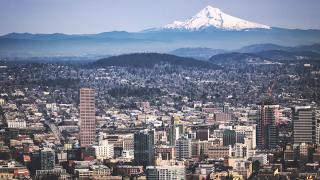
In Portland you do not need a car. TriMet's buses, MAX light rail and the WES commuter train share one fare: an adult ticket costs $2.80 and is good for 2.5 hours, and a day pass costs $5.60. You can pay by tapping a contactless bank card or phone on the Hop reader, with no ticket needed. The Portland Streetcar runs in the central city.
Between cities, Amtrak's Cascades trains link Portland with Salem and Eugene to the south and Seattle and Vancouver to the north, and the long-distance Coast Starlight continues south to Klamath Falls and California. ODOT's POINT intercity buses fill some gaps: the NorthWest route runs from Portland to Astoria and the north coast, the Cascades route from Portland to Eugene, the Eastern route from Bend to Ontario, and the SouthWest route from Klamath Falls to Brookings on the coast. Tickets can also be booked through Amtrak, where these buses appear as Thruway connections.
For the coast, the Cascades and the national park, a car is still the practical choice. Our Oregon car rental and road trip tips cover picking one up. Fuel is usually more expensive than in most of the US. Since 2023 drivers may pump their own gas at many stations, but attendants still serve at a lot of them, and a station must charge the same price at its attended and self-serve pumps.
Park Fees and Passes
Park fees are small but they add up over a week, so it helps to know which pass covers what.
- Oregon State Parks charge a day-use parking permit at 68 parks. In 2026 it costs $10 a day for Oregon residents and $12 for out-of-state visitors, valid at any state park that day. A 12-month permit is $60 for residents and $75 for visitors. If you arrive on foot, by bike or by public transport, there is no parking charge.
- National forests: many trailheads and day-use sites in Oregon's national forests need a Northwest Forest Pass, $5 for a day or $30 for a year. Sites run by concessionaires charge their own fees and do not accept it.
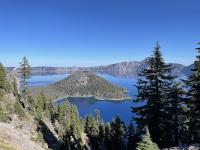
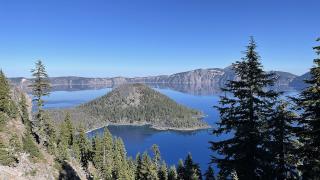
- Crater Lake National Park charges $30 per private vehicle from May 22 to October 31 and $20 from November 1 to May 21, valid for seven days. Crater Lake is not one of the parks with the extra fee for non-US residents.
- The America the Beautiful pass covers national parks and federal fee sites, including Northwest Forest Pass sites, for a year. It costs $80 for US residents and, since January 1, 2026, $250 for non-residents. It is worth buying if Oregon is part of a longer trip that includes parks like Zion, Bryce Canyon or Yellowstone.
- Sno-Park permits are needed from November 1 to April 30 at the plowed winter parking areas: $4 a day, $9 for three days or $25 for the season.
Sleeping for Less
Accommodation is where costs vary most. Portland, the coast in summer and the towns closest to the national park cost the most. Prices fall sharply from late fall to early spring, especially on the coast, where winter storm-watching season brings some of the year's lowest rates. Staying in Salem, Albany or Eugene and driving out for day trips is usually cheaper than staying in the busiest towns.
Camping is the cheapest way to see the state. Oregon State Parks raised its camping prices on May 1, 2026: at 29 of the busiest parks, such as Silver Falls and Nehalem Bay, a tent site costs $29 a night and a full-hookup RV site $52, and other parks charge less. Out-of-state campers pay a 25% surcharge on state park sites. Many state parks also rent yurts and cabins, a step up from a tent for less than most motels, and they book out early for summer. Forest Service campgrounds are generally simpler and cheaper. Reserve popular coast and Cascade campgrounds well ahead for July and August.
Food and Drink
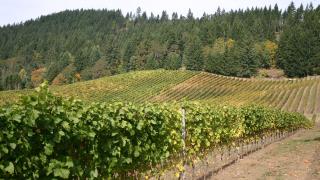
Eating out costs about what it does in other West Coast cities. Portland's food carts and food cart pods are a cheaper way to eat well than sit-down restaurants, and happy hours in Portland are known for cutting the price of food as well as drinks. Outside the cities, supermarkets and farm stands keep picnic costs low, which suits a day of hiking or beachcombing anyway. Wine tastings in the Willamette Valley usually charge a tasting fee, and some wineries waive it if you buy bottles.
What Is Free
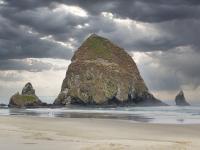
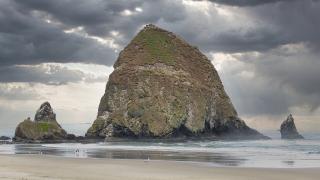
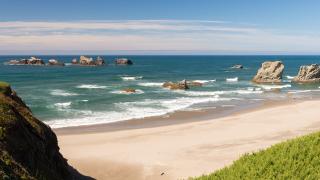
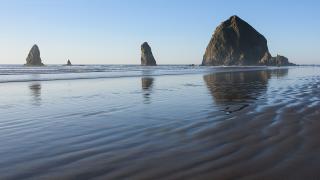
- The beaches. Oregon's ocean shore is public, so you can walk the beaches at Cannon Beach, Newport or Bandon without paying, although some state park car parks along the coast now charge for parking.
- Many waterfalls, viewpoints and trails, especially on public land without a fee station.
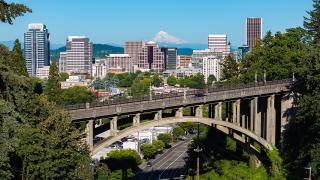
- City sights. Much of the Portland experience, such as its neighborhoods, parks and the riverfront, costs nothing.
- Fee-free days. The Forest Service waives day-use fees at most of its sites on several days each year, including Memorial Day, Independence Day and National Public Lands Day, and the national parks have their own fee-free days.
How to Keep the Budget Down
Travel in spring or fall, when the weather is still good for most sights and lodging is cheaper than in July and August. Base yourself in one or two places rather than moving every night. Use transit in Portland and rent a car only for the days you leave the city. Buy the passes that match your plans: a $12 state park day permit covers every state park you stop at that day, and an annual pass pays off quickly on a road trip that includes several national parks. And cook some of your own meals, especially if you are camping or renting a place with a kitchen.