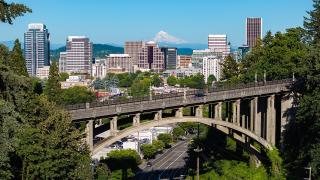
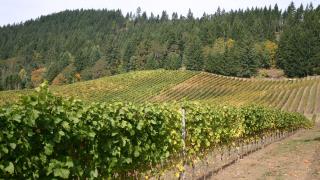
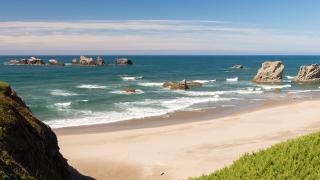
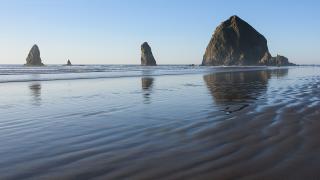
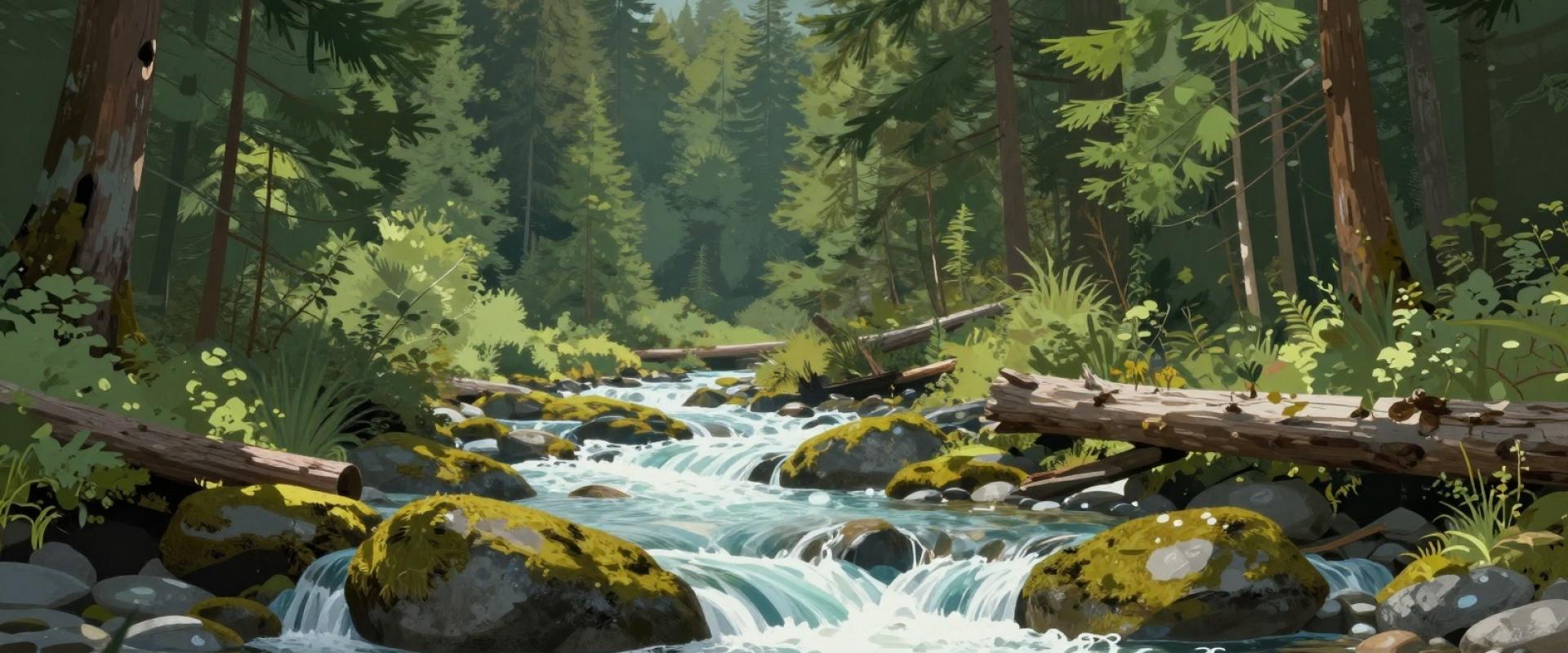
Oregon’s geography creates a sharp divide between the Willamette Valley and eastern highlands. Elevation changes significantly impact family logistics and travel times. The terrain demands self-sufficiency when visiting natural settings. Strategic base selection minimizes excessive driving across vast distances. A one-week itinerary often routes from Portland toward Hood River. Families visit Multnomah Falls, Oregon’s tallest waterfall, early in the trip. The Bonneville Fish Hatchery offers educational stops near the Columbia River. Downtown Hood River provides amenities for rest and refreshment. AniChe Cellars serves as a local cultural stop for adults. Travelers must prepare for variable weather, including ice storms. Flying into Portland requires immediate adaptation to local conditions. Sleeping near the airport allows for efficient morning departures. The Pacific Northwest offers a peaceful, chill atmosphere for kids. Pine forests and fresh air define the regional experience. Balancing challenging hikes with pool time ensures family enjoyment. Ocean days provide a relaxing contrast to inland activities. This approach balances physical activity with necessary rest periods.
Coastal Wonders and Waterfall Trails
Multnomah Falls offers Oregon’s tallest waterfall views. Parking fills early; arrive before 9 AM. The lower loop trail is stroller accessible. Ecola State Park provides safe, flat beach access. Children can safely explore tide pools at low tide. Always check local tide tables before visiting. The Historic Columbia River Highway State Trail offers paved, flat paths. This route suits strollers and young cyclists. The trail connects Hood River to Cascade Locks. The Bonneville Fish Hatchery provides educational viewing. Staff explain salmon migration cycles to visitors. Check hatchery hours before visiting. Weather changes rapidly in the gorge. Dress in layers for cool, damp conditions. Always carry rain gear for children. The Pacific Northwest climate requires preparedness. Verify open status for all trailheads. Check for seasonal closures or fire restrictions. Always carry extra water and warm layers. Safety depends on checking local conditions daily. Oregon’s coastal and gorge regions offer unique family experiences. Plan ahead for the best family experience.
Urban Exploration and Museum Adventures
Portland’s Museum of Science offers interactive exhibits for families. The Oregon Historical Society provides historical tours in Salem. These venues offer indoor comfort during rainy seasons. Advance booking is essential for special exhibits. The Jordan Schnitzer Museum in Eugene hosts family programs. These programs include educational art activities. Urban attractions provide shelter from frequent rain. This ensures a comfortable experience for children. The climate in Oregon often requires indoor options. Families can explore local culture safely. The venues offer educational value for all ages. This approach supports learning during inclement weather. The structure of the city supports easy access. Visitors can navigate between museums with ease. The experience remains consistent across different locations. The focus remains on educational engagement. The environment supports family bonding effectively. The options provide reliable entertainment options. The structure supports consistent family engagement. The experience remains consistent and reliable.
Wildlife Encounters and National Parks
Crater Lake’s rim drive offers accessible, scenic views for families. The route is paved and manageable for strollers. Craters of the Moon provides unique lava field exploration. Hiking trails here are well-maintained and clearly marked. The Oregon Coast Aquarium features interactive exhibits. Children can observe local marine life up close. Educational tours at H.J. Andrews Experimental Forest teach forest ecology. Guides explain ecosystem dynamics in simple terms. Safety guidelines are essential for all wildlife viewing. Maintain a safe distance from all wild animals. Always carry bear spray in designated backcountry areas. Instill environmental stewardship in children early. Teach them to leave no trace in nature. Respect local wildlife habitats and nesting grounds. These practices ensure safe, enjoyable family experiences. They also protect Oregon’s natural resources for future generations. Responsible tourism preserves the state’s unique biodiversity.
Logistical Strategies and Safety Protocols
Oregon weather shifts rapidly. Pack layers for all conditions. Flexible itineraries accommodate sudden rain or cold. Plan routes around multnomah falls and coastal areas. Download offline maps before entering remote zones. Cell service often fails in highlands. Check tide charts before visiting ocean beaches. Strong currents pose risks to swimmers. Keep children close near rocky shores. Watch for wildlife in forested areas. Maintain safe distances from all animals. Store food securely to avoid attracting bears. Book accommodations early, especially in summer. Hotels near hood river fill quickly. Verify pet policies if traveling with animals. Confirm parking availability at popular trailheads. Arrive early to secure parking spots. Check trail conditions for closures or hazards. Ensure all gear is suitable for local terrain. Prepare for variable weather in all seasons.