History: Founding and Growth in the Willamette Valley
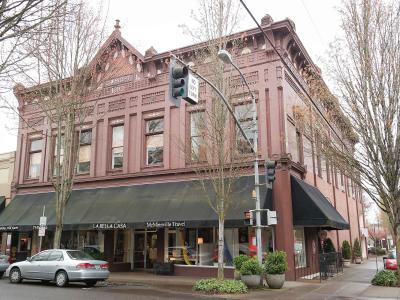
Eugene, often referred to as "TrackTown USA," has a rich history rooted in the 19th century. Founded by Eugene Skinner in the 1840s and incorporated in 1862, the city took his name. Skinner built a cabin at the foot of the butte that now bears his name, and the settlement grew around it as farmland and timber brought trade to the valley. The city’s identity is deeply intertwined with the University of Oregon, which was founded in 1876. This academic institution has shaped the city’s character, fostering a culture that values education, creativity, and progressive ideals. The historic downtown area, with its Victorian-era architecture, reflects the city’s early development as a trade hub. The Whiteaker neighborhood and downtown core serve as cultural hubs, hosting festivals, breweries and live music. The running tradition grew out of the university’s track program, and the founders of a famous sportswear company began their business here.
Main Attractions: Culture and Nature
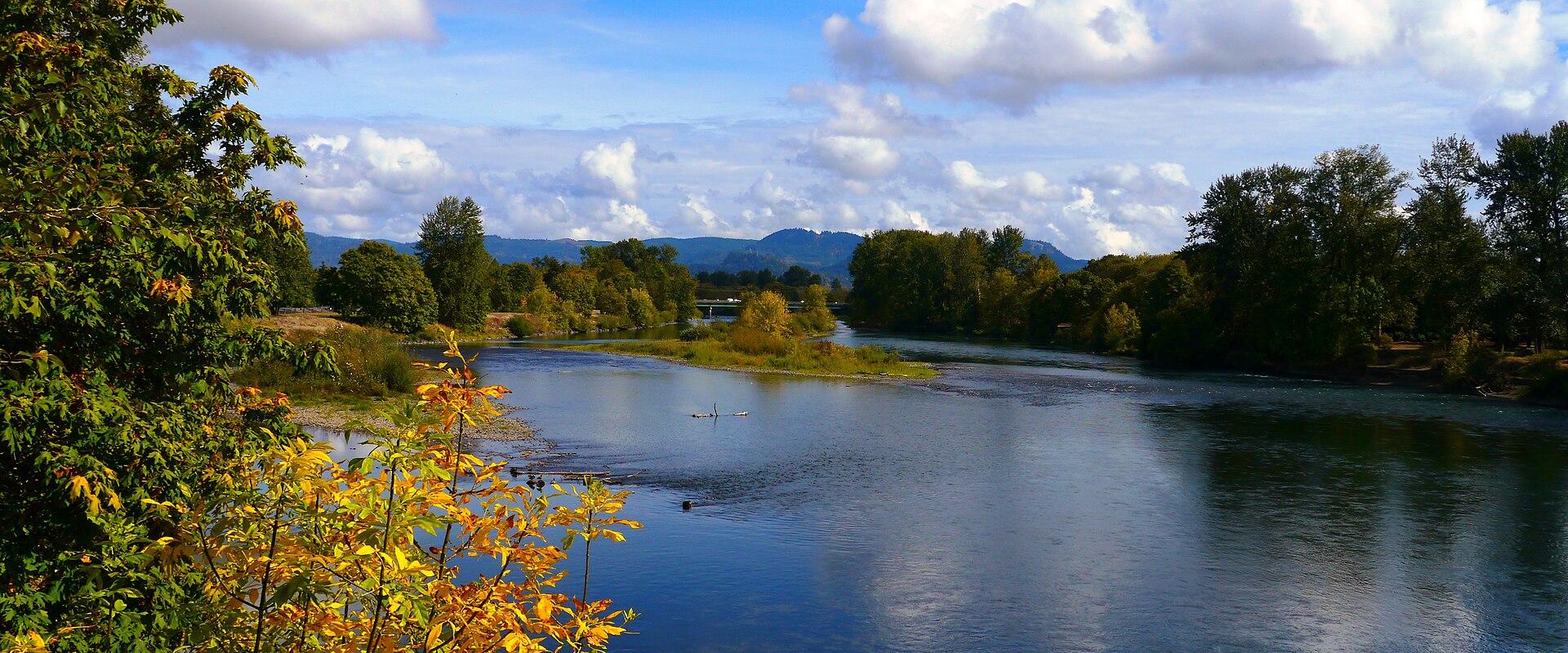
The primary draw for visitors is the blend of cultural institutions and natural beauty. The University of Oregon’s campus, with its iconic Knight Library, and the downtown Hult Center for the Performing Arts offer a glimpse into the region’s academic and artistic vibrancy. The Jordan Schnitzer Museum of Art provides a comprehensive look at regional and international art, and the Lane County History Museum tells the story of the area’s settlers. Hayward Field, the historic track stadium, hosts major meets, and the sport’s fans can watch races there when events are held. For those seeking outdoor experiences, Skinner Butte Park offers panoramic views of the city and the surrounding Willamette Valley. The Ruth Bascom Riverbank Path provides a scenic route for walking and cycling along the Willamette River, connecting various parts of the city, and Alton Baker Park and the Owen Rose Garden are pleasant places to spend an afternoon.
Activities: Exploration and Relaxation
Visitors can engage in a variety of activities, from exploring local markets to enjoying the outdoors. The Saturday Market, held downtown, is a long-running spot for local food, crafts and live music. The Oregon Country Fair, held each July in nearby Veneta, is a beloved annual event. For those interested in nature, the nearby Willamette National Forest offers opportunities for hiking, camping, and wildlife viewing. The city’s many parks, including Spencer Butte, provide green spaces for relaxation and recreation; the climb to the top of Spencer Butte takes around an hour and rewards walkers with views over the valley. The city is also known for its music scene and for a summer Bach festival.
Getting There: Accessibility
Eugene is accessible via Eugene Airport (EUG), which offers limited commercial flights. For those arriving by car, the city is located approximately 110 miles south of Portland, Oregon, via Interstate 5. The drive takes approximately 1.5 to 2 hours, depending on traffic conditions. Public transportation is available through the Lane Transit District, which provides bus service throughout the city, and Amtrak trains also stop in Eugene. Renting a car is recommended for those wishing to explore the surrounding areas, such as the Cascade Mountains or the Oregon Coast.
Best Time to Visit
The best time to visit Eugene is during the late spring, summer, and early fall, from May to October. During these months, the weather is typically warm and dry, with average temperatures ranging from 60 to 80 degrees Fahrenheit. This is the ideal time for outdoor activities, such as hiking, biking, and attending outdoor festivals. The summer months, in particular, offer the most favorable weather conditions, with long days and clear skies. Visiting during the off-season, while possible, may involve cooler temperatures and more frequent rain, so visitors should plan accordingly.
Best time to visit
May through October offers warm, dry weather ideal for outdoor activities.
What to see in Eugene
Our picks first.
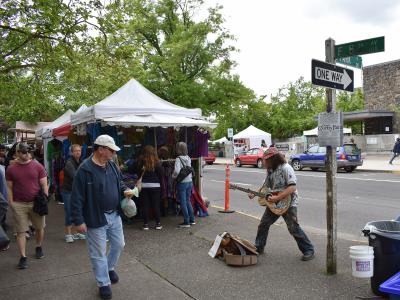
Eugene Saturday Market
Oldest weekly open-air craft market in the United States
Free City Centers · Festivals
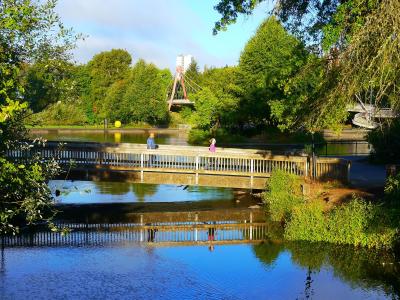
Alton Baker Park
Willamette River park with developed amenities and rugged natural areas
Free Cycling Routes · Hiking Trails
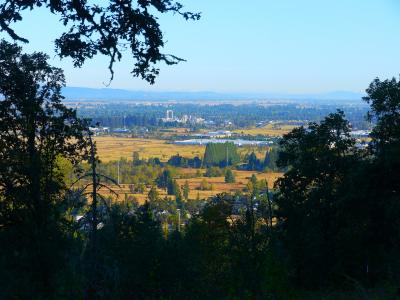
Spencer Butte Park
Volcanic summit park with panoramic valley and mountain views
Free Natural Wonders · Recreation & Sports
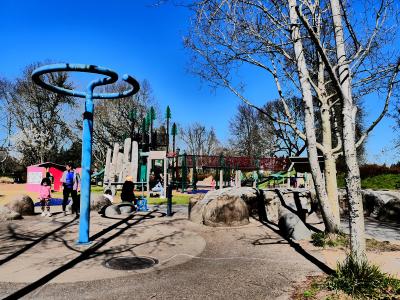
Skinner Butte Park
Hillside and riverside park with summit views of the Willamette Valley
Free Natural Wonders · Nature & Gardens
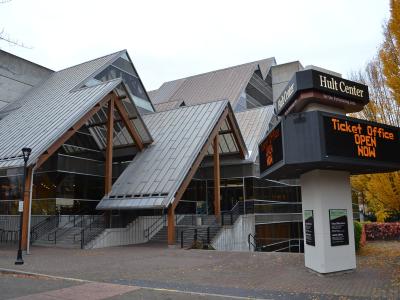
Hult Center for the Performing Arts
Downtown Eugene performing arts center with two main performance spaces
Urban & Cultural
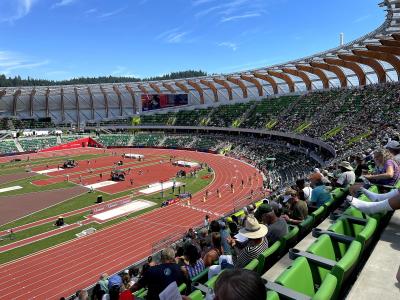
Hayward Field
Historic track stadium hosting US Olympic Trials and 2022 World Athletics Championships
Free Recreation & Sports

Jordan Schnitzer Museum of Art
National Register historic Mediterranean building with 13,000 objects
History & Heritage · Urban & Cultural
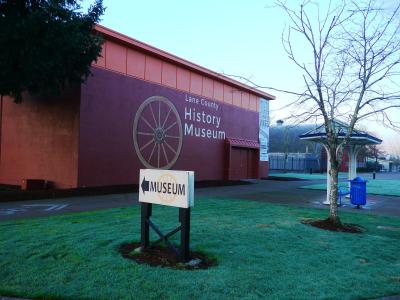
Lane County History Museum
Lane County Fairgrounds museum featuring rotating local history and culture exhibits
History & Heritage
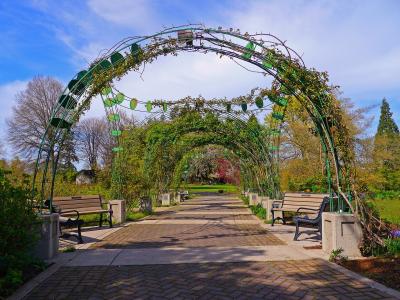
Owen Rose Garden
Public riverside rose garden with over 4,500 bushes and heritage varieties
Free Nature & Gardens · Recreation & Sports
Eugene by interest
The same sights, grouped by what you came for.
Did you know?
Checked facts about Eugene, each with its source.
-
Film & TV
The University of Oregon played Animal House's Faber College
National Lampoon's Animal House (1978) was filmed in 1977 on the University of Oregon campus in Eugene, which stood in for fictional Faber College; the university president even let the crew shoot in his office in Johnson Hall.
Source: University of Oregon
Planning a visit to Eugene
Itineraries that include Eugene
Good to know
- Currency
- USD
- Language
- English