
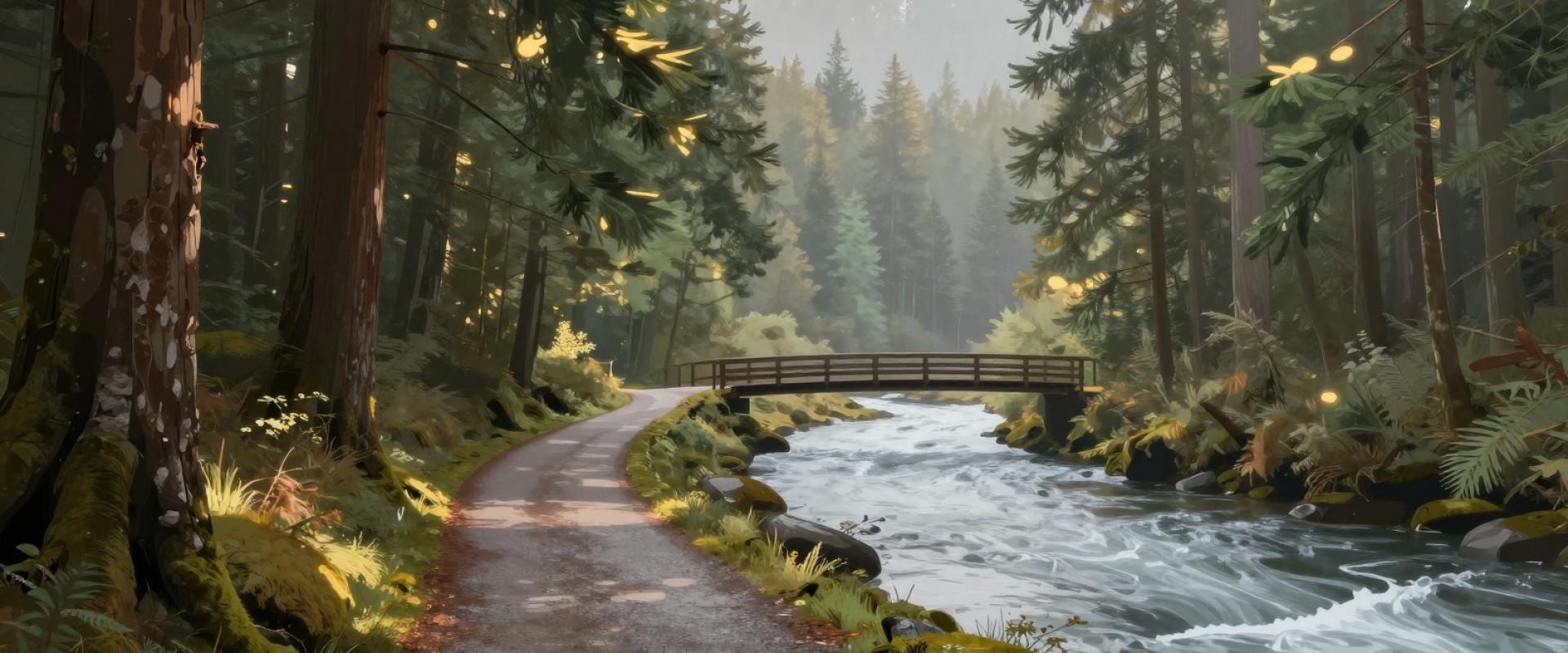
AI-generated illustration
Eugene Cultural Heritage
Two-day cultural and culinary tour of Eugene, Oregon
2 days
•
Moderate difficulty
•
Est. $200
Day 1: Arts, River, and Summit Views
Explore Eugene's cultural heart, starting with the art museum, followed by a peaceful riverside walk, and ending with a panoramic view from Skinner Butte.
-
09:00
Jordan Schnitzer Museum of Art
Visit the JSA to view its diverse collection, including the historic building itself and rotating contemporary and historical exhibits.
-
10:30
Skinner Butte Park
Hike up to the summit of Skinner Butte for panoramic views of the Willamette Valley. A moderate hike suitable for all fitness levels.
-
12:30
Lunch in Downtown
Enjoy a casual lunch at one of the many cafes or restaurants in the downtown area, close to the previous attractions.
-
14:00
Owen Rose Garden
Stroll through the beautiful public rose garden. It is a peaceful, free space perfect for a relaxing afternoon walk, especially in spring and summer.
-
16:00
Skinner Butte Sunset View
Return to Skinner Butte Park for the late afternoon. The view from the top is particularly stunning at sunset, offering a perfect end to the day.
Meals:
Breakfast at Local Cafe , Lunch at Downtown Eugene , Dinner at Downtown Eugene
Where to stay: Stay in downtown Eugene for easy access to cultural sites. The area is walkable and safe.
Getting around: Most attractions are within walking distance. Use a bike or walk for short distances. Public transport is available if needed.
Day 2: Nature, History, and Sports Heritage
Explore Eugene's natural beauty and rich athletic heritage, including the historic Hayward Field and Alton Baker Park.
-
09:00
Alton Baker Park
Start the day with a walk along the Willamette River in Alton Baker Park. Enjoy the natural beauty, the river, and the well-maintained paths.
-
10:30
Hayward Field
Visit the historic Hayward Field, home of the Oregon Track Club. Take a tour of the stadium, which has hosted the US Olympic Trials and World Championships. Learn about the history of track and field.
-
12:30
Lunch near University
Enjoy a casual lunch in the University of Oregon area, with many options for dining.
-
14:00
Lane County History Museum
Visit the Lane County Museum to learn about the region's history and culture. The rotating exhibits provide insight into local history.
-
16:00
Hult Center for the Performing Arts
Stroll through the area around the Hult Center, a beautiful building and cultural hub. You can view the exterior and the surrounding plaza.
Meals:
Breakfast at Local Cafe , Lunch at University Area , Dinner at Downtown Eugene
Where to stay: Same as Day 1. Eugene downtown area is recommended.
Getting around: Walking and biking are sufficient. Public transport is available if needed.
Practical Information
Eugene, often referred to as the heart of the Pacific Northwest’s cultural scene, offers a temperate climate that is most pleasant from late May through early October. During these months, daytime temperatures typically range from the mid-60s to low 70s Fahrenheit, making it ideal for outdoor exploration. However, visitors should be prepared for the region’s characteristic rain, particularly from November through April, which can be heavy and persistent. Even in summer, evenings can turn cool, so layering is essential. The best time to visit for a balance of good weather and manageable crowds is late summer or early fall.
For transportation, Eugene is highly walkable in its downtown and University of Oregon areas, but a car is recommended for exploring the surrounding Cascade foothills and the nearby Willamette Valley. Lane Transit District (LTD) buses provide affordable public transportation connecting major hubs, while bike lanes are extensive, catering to the city’s cycling culture. Renting a bicycle is a popular and practical way to navigate the area, especially for accessing nearby trails and the University of Oregon campus.
Accommodation options are diverse, ranging from boutique hotels in the downtown area to cozy bed-and-breakfasts in historic neighborhoods like the Southside. Staying in the downtown area is convenient for accessing cultural sites, restaurants, and the Willamette River waterfront. For those seeking a more immersive experience, boutique hotels in the Pearl District or near the University of Oregon offer a quieter, more residential atmosphere. It is advisable to book accommodations in advance, especially during peak tourist seasons or when major university events are taking place.
Budget considerations should account for the fact that Eugene is a mid-sized city with a range of dining and accommodation options. While high-end dining and boutique hotels are available, there are also affordable options, including local cafes, food trucks, and budget-friendly motels. The cost of living is generally moderate, but visitors should budget for higher prices during peak tourist seasons. It is recommended to research dining options in advance and look for special offers or discounts, particularly for cultural attractions and tours.
When packing, bring layers to accommodate the variable weather, including a waterproof jacket and sturdy walking shoes. Essential items include a reusable water bottle, sunscreen, and insect repellent, especially if planning to explore nearby natural areas. Additionally, carry a small umbrella or rain poncho, as rain is a common occurrence in the region. By planning ahead and dressing appropriately, visitors can fully enjoy the cultural and natural offerings of Eugene.
Book your stay
More Itineraries
2 days
Ashland Weekend Getaway
Two-day cultural and outdoor exploration in Ashland, Oregon
View Itinerary →