





Strategic Route Planning
Limit scope to one or two adjacent regions. This reduces travel fatigue significantly. Choose regions based on seasonal weather conditions. Oregon’s coastal weather varies greatly. Plan for rain in the coastal range. Prioritize a linear route to minimize backtracking. Fly into Portland International Airport for access. Rent a car for necessary regional travel. The drive to coastal areas takes time. Plan accommodation in advance near key sites. The Hoxton offers a central Portland base. The Nines provides an alternative downtown option. Consider the Hallmark Resort for coastal stays. The Graduate Hotel serves as another option. These locations support a structured seven-day itinerary. Linear travel ensures efficient use of time. Avoid complex routing between distant regions. Focus on a manageable geographic area. This approach reduces stress and travel time. Ensure all daily drives remain short. Limit daily driving to two hours max. This preserves energy for daily activities. Careful planning ensures a smooth experience. Adhere to posted speed limits strictly. Safety remains the primary concern for all travelers on these routes.
Regional Highlights: Coast and Cascades
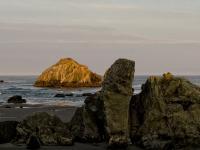
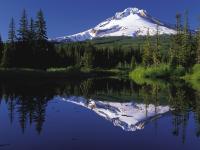
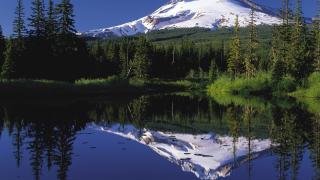
The Pacific Coast offers temperate rainforests. Explore Cannon Beach and Haystack Rock. These iconic landmarks define the Oregon shoreline. The route requires a vehicle. Rent a car for flexible travel. The drive takes approximately 90 minutes. Accommodation options include the Hallmark Resort. This hotel sits directly on the sand. The experience contrasts with the Cascade Range. The volcanic landscape provides a different terrain. You can switch from beach to mountain. The transition is seamless along the route. Seven days allow for a complete loop. You can visit both regions in one trip. The itinerary covers diverse landscapes. You will see rural farms and urban centers. The journey includes waterfalls and coastal views. This structure ensures a comprehensive experience. You will see the best of Oregon. The route is designed for efficiency. You will not miss key attractions. The plan is practical and direct. You can focus on the scenery. The logistics are simple to manage. You will have a smooth trip. The details are clear and precise. You will enjoy the diverse landscapes. The itinerary is well-structured for you. You will have a great time. The experience is memorable and unique. The plan is tailored for you. You will love the Oregon coast.
Accommodation and Logistics
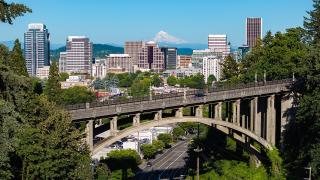
Book lodging well in advance. Summer travel requires early planning. Choose centrally located lodging to reduce travel time. Consider boutique inns for a local experience. The Hoxton and The Nines offer Portland options. The Hallmark Resort serves the coast. The Graduate Hotel is in Eugene. Direct flights reach Portland International Airport. The drive to the city center takes 15 minutes. Plan accommodation based on daily routes. This minimizes backtracking. Secure bookings early to ensure availability. This approach supports a smooth one-week itinerary. Prioritize convenience and location for an efficient trip.
Safety and Weather Considerations
Oregon’s weather changes rapidly. Prepare for variable conditions, including rain and cold, even in summer. Check local forecasts regularly for updates. Wildfire risks are high in summer, especially in eastern regions. Always carry extra layers. Temperatures drop quickly at higher elevations. Carry water and snacks for long drives. Check road conditions before traveling to remote areas. Flash floods can occur in canyons during storms. Avoid camping in dry, high-risk areas during fire season. Stay informed about current fire restrictions. Keep emergency contacts saved in your phone. Ensure your vehicle is in good condition. Carry a first-aid kit and basic tools. Be prepared for sudden weather changes. Always inform someone of your travel plans. Check local alerts for fire or flood warnings. Stay on marked trails to avoid getting lost. Respect wildlife and keep a safe distance. Follow all posted safety signs and regulations. Be prepared for limited cell service in remote areas. Carry a map and compass as backups. Always have a plan B for transportation. Stay hydrated and protect yourself from the sun. Be aware of local wildlife, including bears and snakes. Follow all local laws and regulations. Respect private property and leave no trace. Be prepared for emergencies by carrying essential supplies. Stay alert and aware of your surroundings. Always prioritize safety over convenience. Be prepared for the unexpected. Stay informed and prepared for any situation. Always be respectful of nature and local communities. Be prepared to adapt to changing conditions. Stay safe and enjoy your trip to Oregon.
Practical Tips for Travelers
Download offline maps before entering rural areas. Cell service is often unavailable in these regions. A physical map serves as a necessary backup. Drive cautiously on narrow, winding roads. Many routes lack guardrails. Be mindful of local wildlife, particularly deer. Sudden animal crossings are common hazards. Adhere strictly to local fire regulations. Check current fire restrictions before lighting any campfires. Follow all posted safety guidelines for hiking trails. Prepare for rapid weather changes in the mountains. Carry extra layers for sudden temperature drops. Ensure your vehicle is fully fueled before leaving towns. Gas stations are sparse in remote areas. Plan refueling stops carefully to avoid running out of fuel. Check tire pressure and brake condition regularly. These steps ensure a safe and smooth travel experience throughout the state.