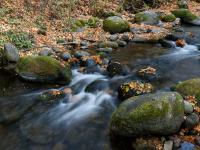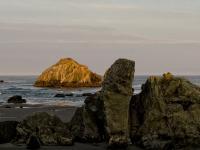







Oregon’s coastal climate demands specific gear. Rain is constant, ranging from mist to heavy storms. You must pack a durable, water-resistant jacket. Wind resistance is as critical as water protection. The coastal wind changes rapidly, even on sunny days. A warm, low-maintenance layer is essential. A durable hoodie provides necessary warmth and comfort. It handles dampness without losing structure. This layer is soft enough for relaxation. Footwear requires equal attention. Slip-on shoes are essential for beach access. They allow quick entry and exit. Sand and water are common hazards. You must prepare for sudden breezes. These breezes can shift conditions instantly. Pack clothing that dries quickly. Cotton is less ideal for wet conditions. Synthetic materials offer better performance. Always check local forecasts before heading out. The environment is unforgiving without proper preparation. Your safety depends on appropriate gear. Do not rely on general weather patterns. Local conditions are unique and variable. Always carry a waterproof outer layer. This is non-negotiable for comfort. The maritime climate is distinct from inland areas. It requires specific, specialized clothing choices. Prioritize function over style in your selection. Ensure all items are durable and practical. This approach ensures a safe and comfortable trip along the Oregon coast.
The Layering Strategy for Alpine Variance
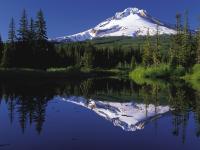
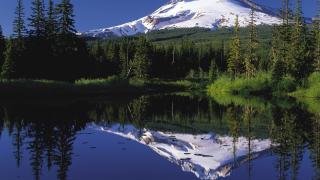
High elevations drop temperatures significantly. You must prepare for rapid cold shifts. Cotton is unsuitable for these conditions. It retains moisture and causes hypothermia. Choose synthetic or wool base layers instead. These materials wick sweat away from skin. This keeps your body temperature stable. A waterproof outer shell is essential. It blocks wind and rain effectively. Layering allows you to adapt quickly. Remove layers as you exert energy. Add layers when you stop moving. This strategy prevents overheating and chilling. Pack a warm mid-layer for rest stops. A fleece or light down jacket works best. These items fit easily into a daypack. You can carry extra layers without burden. The variable weather requires flexible clothing choices. Always check the specific forecast for the trail. Elevation changes alter conditions rapidly. Be prepared for sun, wind, or rain. This approach ensures comfort and safety. It allows you to manage heat loss effectively. Stay dry and warm throughout the hike. This strategy is critical for high-altitude travel. It prevents hypothermia in changing conditions. Always prioritize moisture-wicking fabrics over cotton. This simple rule ensures safety in the alpine zone.
Footwear for Terrain and Tide
Oregon’s coastal environment demands specific footwear. The Pacific Northwest climate is wet. You must choose shoes that handle damp conditions. Slip-on shoes are essential for the coast. They allow quick access to the beach. You can step into the sand easily. This is practical for tide pool exploration. However, mountain terrain requires different gear. Sturdy boots with ankle support are necessary. The terrain is rugged and uneven. Slippery rocks are common near the coast. Sturdy boots provide necessary stability and safety. Waterproofing is essential for both environments. Wet ground is a constant reality. Your feet must stay dry. Choose materials that repel water effectively. This ensures comfort during long walks. The diverse landscape requires versatile gear. You need reliable support for all terrain. Oregon’s weather is unpredictable. Wind can change rapidly. Your footwear must handle these shifts. Sturdy boots offer protection on trails. Slip-on shoes offer convenience on the beach. Both options are necessary for a complete trip. You must pack for both environments. This ensures safety and comfort throughout your stay. Oregon’s terrain is diverse and demanding. Proper footwear is essential for a safe trip.
Wildlife Safety and Local Regulations
Pack specific gear for Oregon’s unique wildlife. Black bears are common in forested areas. Store all food in bear-proof containers. This prevents dangerous encounters with wildlife. You must secure all food items. Do not leave snacks in open bags. Wear protective clothing in snake-prone areas. Western rattlesnakes inhabit dry, rocky regions. Wear sturdy boots to protect your legs. Check your gear for ticks daily. Follow local regulations regarding fire restrictions. Campfire bans are common during dry seasons. Check current fire restrictions before lighting any fire. Bring a portable stove for cooking. This reduces the risk of uncontrolled wildfires. Respect all wildlife by maintaining a safe distance. Do not feed animals under any circumstances. Feeding wildlife alters their natural behavior. It creates dependency and health risks. Pack extra waste bags for trash. Leave no trace of your visit. Clean up all debris before leaving. Protect Oregon’s natural environment for future visitors. Your responsible actions preserve these wild spaces. Always check local regulations before your trip. Rules may change based on seasonal conditions. Stay informed about local wildlife activity. Report any dangerous animal sightings to authorities. Your safety depends on your awareness. Stay alert and respect all wildlife.
Final Checklist and Practical Summary
Pack versatile, moisture-wicking layers for variable Pacific Northwest weather. Oregon’s coastal climate demands durable, water-resistant gear. Wind resistance is critical for safety. Choose footwear appropriate for wet, rocky terrain. Slip-on shoes aid quick beach access. Local regulations require secure food storage. Use bear-proof containers in forested areas. This prevents dangerous wildlife encounters. Always check local regulations before hiking. Follow all safety guidelines strictly. Pack light but prepared. Prioritize function over fashion. Ensure all gear is durable. Verify specific trail requirements in advance. Stay safe and enjoy the diverse landscape. Oregon offers unique natural beauty. Respect the environment and local rules. Plan for rain and wind. Prepare for rapid temperature changes. Stay alert and aware at all times.