Seasonal Rhythms
The Cascade Range divides Oregon into distinct climate zones. Western Oregon features a maritime climate. Winters are wet and summers are dry. Eastern Oregon is semi-arid. Summers are hot and winters are cold. The ideal travel window is June through September. Temperatures in valleys and coasts reach the 70s to 80s°F. Crater Lake remains snow-free during this period. Coastal areas stay cooler in the 60s°F. Morning fog typically clears by midday. Spring brings rain west of the Cascades. October offers foliage and wine harvests in the Willamette Valley. Winter conditions suit skiing at Mt. Hood and Mt. Bachelor. This geographic split defines the seasonal rhythm. Plan visits around these specific regional weather patterns. Dry conditions ensure access to diverse landscapes. Coastal fog requires flexible scheduling for photography. Mountain snow limits high-elevation access in winter. Understanding these zones prevents travel disruptions. Oregon’s climate varies significantly by location. Always check local forecasts before hiking. The best experience depends on precise timing. Avoid peak rain seasons for outdoor activities. Summer provides the most reliable weather overall.
Summer Peak Dynamics
July and August mark Oregon’s peak season. These months offer dry, warm weather ideal for travel. Temperatures in valleys and coastal areas reach the 70s to 80s°F. This period ensures snow-free access to high-elevation destinations like Crater Lake. The park remains fully open for visitors during this window. However, peak timing brings significant drawbacks. Crowds increase substantially at major attractions. Premium pricing applies to lodging and rental cars. Daily budgets often exceed $150 per person. Coastal conditions differ slightly. Morning fog is common along the Pacific shore. This fog typically clears by midday. Afternoons become sunny and pleasant. For fewer crowds, consider late June or September. These shoulder months provide similar weather with less congestion. Oregon’s lack of sales tax helps offset higher summer costs. Plan accommodations early to secure better rates. Early booking is essential during these high-demand weeks.
Autumn Harvest and Foliage
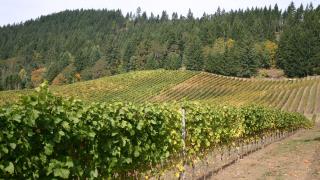
September and October offer ideal conditions for visiting Oregon. Temperatures remain mild, with valleys staying in the 70s°F. Early autumn brings dry weather, perfect for outdoor activities. The Willamette Valley transforms during this period. Vineyards display vibrant foliage as harvest season begins. This timing allows travelers to witness grape picking firsthand. Crowds decrease significantly compared to the summer peak. You can explore the Coast with fewer tourists. Coastal areas stay cooler, typically in the 60s°F. Morning fog often clears by midday. Rainfall increases slightly in late October. This moisture supports the lush fall colors. Eastern regions remain semi-arid and pleasant. Travelers should expect lower accommodation prices. The lack of sales tax further reduces costs. Daily budgets range from $90 to $150. This period balances good weather with manageable crowds. It is the optimal time for wine enthusiasts. The scenery provides a distinct visual experience. Plan visits to state parks early. Most parks remain free to enter. This season offers a unique regional perspective.
Winter Sports and Solitude
December through February defines Oregon’s winter season. Western Oregon experiences wet, gray conditions. Temperatures remain mild near the coast. Eastern Oregon and the Cascades receive heavy snow. This contrast creates ideal skiing conditions. Mt. Hood and Mt. Bachelor offer reliable powder. Resorts operate fully during peak winter months. The Pacific Coast becomes dramatic and moody. Fog often blankets the shoreline in winter. Crowds are significantly smaller than in summer. Travelers find greater solitude along the beaches. However, road closures are common in mountains. Cold weather requires proper preparation for drivers. Snow chains may be mandatory on passes. Daily budgets range from $90 to $300. No sales tax applies to purchases statewide. State parks remain free to enter. Winter visits require checking road status daily. Plan for potential delays due to weather. The off-season offers a unique perspective. You can experience the state’s raw beauty. Quiet forests and empty trails await visitors. This season suits those seeking adventure. It also appeals to photographers and hikers. Prepare for variable conditions across regions.
Budgeting and Value
Oregon imposes no state sales tax. This benefit lowers costs for shopping and dining. Daily budgets range from $90 to $300 per person. Mid-range travel averages $100 to $150 daily. Peak summer months drive high accommodation prices. Car rental rates also increase significantly in July and August. Shoulder seasons offer lower prices and good weather. State parks provide mostly free entry. This reduces overall trip expenses. Book early to secure better rates. Leverage the tax savings on meals. Plan visits during spring or fall. These periods balance cost and comfort. Avoid peak summer for budget travel. The lack of sales tax applies statewide. Use this advantage for souvenirs. Oregon’s diverse regions offer varied pricing. Research specific area costs before booking.
Strategic Planning Checklist
Define your primary interest to guide timing and destination selection. Pack layers for coastal weather, which stays in the 60s°F. Check road and snow conditions for the Cascades. Winter brings heavy snow to Mt. Hood and Mt. Bachelor. Book accommodations early for peak season, July through August. Use public transport in cities like Portland to reduce costs. Oregon has no sales tax, lowering shopping and dining expenses. Follow Leave No Trace principles at all sites. State parks are mostly free to enter. Crater Lake requires snow-free access, best in summer. Spring remains rainy west of the Cascades. Fall offers wine harvest in the Willamette Valley. Plan for dry, warm 70s°F weather in valleys. Rent a car for diverse regional exploration. PDX airport serves as the primary gateway. Verify park hours before visiting specific attractions.