
Oregon's Geographic Divide
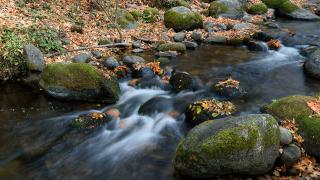
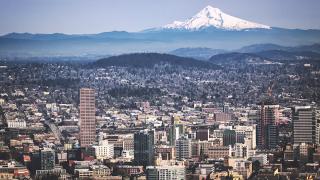
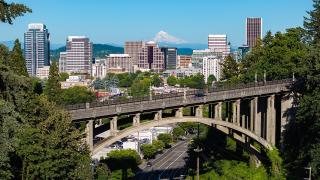
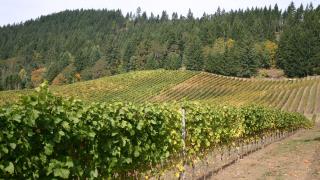
The Cascade Range splits Oregon into two distinct cycling environments. Western Oregon offers temperate climates and old-growth forests. Cyclists navigate quiet roads through the Willamette Valley. This region features agricultural valleys rich in wine and hops. The moisture-rich air supports lush, green landscapes year-round. Eastern Oregon lies in the rain shadow of the Cascades. This area presents a high desert landscape with volcanic terrain. Riders encounter sage flats and remote canyons here. The arid conditions create rugged, exposed riding conditions. Geography dictates specific gear selection for each region. Western routes require rain gear and traction tires. Eastern routes demand sun protection and hydration systems. Route difficulty varies significantly across the state. Coastal headlands offer dramatic Pacific views for road cyclists. Volcanic mountain passes challenge riders in the central highlands. These geographic divides ensure diverse cycling experiences. Each side demands different preparation and equipment. Understanding this divide is essential for safe travel. Oregon’s terrain shapes every aspect of the ride.
Coastal and Cascade Routes
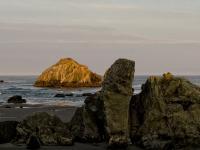
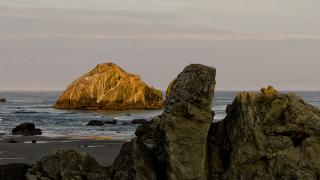
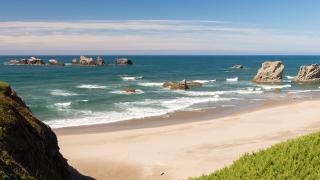
The Oregon Coast offers dramatic Pacific views for cyclists. Riders navigate narrow roads along rolling headlands. Fog frequently reduces visibility on these coastal routes. Caution is essential due to limited shoulder space. The terrain demands constant attention to oncoming traffic.
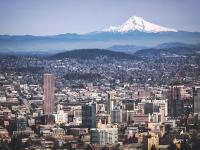
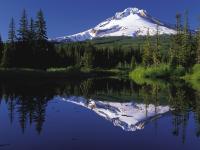
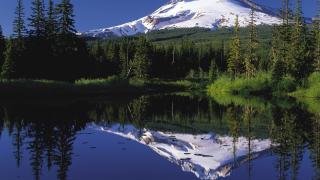
Cascade passes provide stunning alpine scenery for mountain bikers. These volcanic routes present significant elevation gains. Rapid weather changes pose serious risks to riders. Cyclists must prepare for sudden temperature drops and storms. Proper gear is mandatory for safety in these high-altitude zones.
Physical preparation is critical for Cascade endurance riding. Riders should train for steep climbs and technical descents. The diverse terrain caters to both scenic touring and technical challenges. Western Oregon’s temperate climate supports year-round cycling opportunities. Eastern Oregon’s rain shadow creates distinct high-desert riding conditions. Each region offers unique challenges for the prepared cyclist.
Mountain Biking Terrain
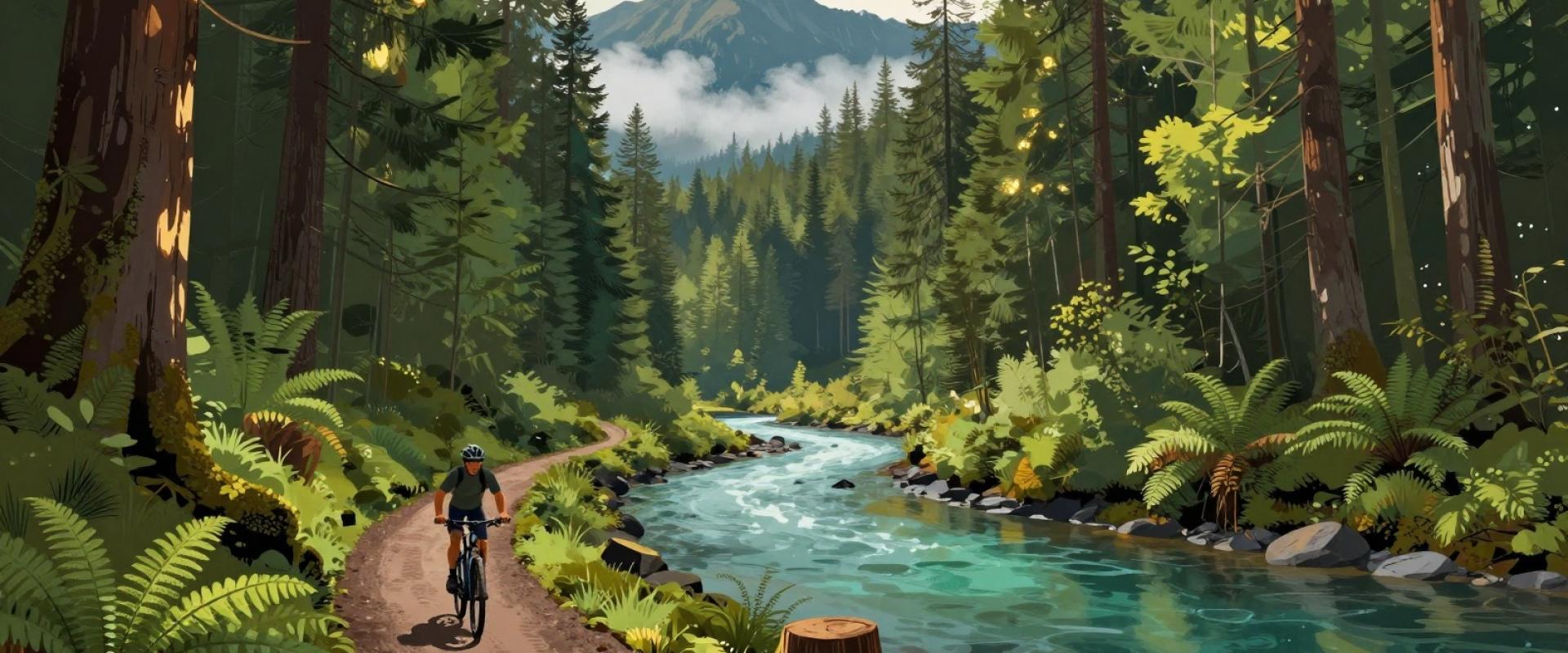
Bend serves as a central hub for mountain biking in Oregon. Riders access extensive trail networks from this base. The terrain varies significantly across the region. Volcanic rock formations provide technical challenges for advanced riders. Forested singletrack offers smoother, shaded routes through the Cascades. These trails require specific riding skills and caution. Trail etiquette is critical for all users. Riders must yield to uphill traffic and hikers. Clear communication prevents accidents on shared paths. Environmental protection is equally important for trail preservation. Riders must respect seasonal closures to protect soil. Erosion control measures are essential for trail health. Oregon’s diverse landscape supports varied riding experiences. The high desert terrain offers unique riding conditions. Riders should prepare for changing weather conditions. Proper gear is essential for safety and comfort. Oregon’s unique geography creates distinct riding challenges. Understanding local terrain is essential for a safe ride. Always check local trail conditions before heading out. Respecting the environment ensures trails remain open. Oregon’s natural beauty is a key attraction. Responsible riding preserves these natural assets for future use. Oregon’s mountain biking scene is world-class. The state offers diverse terrain for all skill levels. Oregon’s unique landscape defines the riding experience.
Safety and Regulations
Cyclists must obey all standard traffic laws in Oregon. Use hand signals to indicate turns and stops. This ensures clear communication with other road users. Large vehicles require extra space on narrow roads. Position your bike safely to remain visible. Always wear a certified helmet for protection. Oregon law requires helmets for riders under age 16. Trail safety requires respect for local wildlife. Stay on designated paths to protect sensitive ecosystems. Be aware of changing weather conditions in the Cascades. Sudden storms can occur even in summer months. Carry essential emergency supplies on every ride. Include extra water, food, and warm layers. Remote locations may lack cell phone reception. Inform others of your planned route and return time. Check local regulations for specific trail access rules. Some areas restrict mountain biking to protect natural habitats. Always carry identification and emergency contact information. Be prepared for variable weather and terrain challenges. Prioritize safety to ensure a safe and enjoyable experience on every ride.
Planning and Logistics
Research routes for elevation and surface conditions before traveling. Western Oregon features moist, temperate climates. Eastern Oregon offers high desert landscapes. Book accommodations in advance, especially in popular areas during peak season. Bend serves as a central hub for mountain biking. The Willamette Valley attracts cyclists for quiet roads. Prepare for limited cell service by downloading offline maps. Signal coverage varies significantly across the state. Pack maintenance tools for remote trail sections. Consider seasonal weather variations when planning trips. Summer brings dry conditions to eastern regions. Spring rains affect western forest trails. Pack layers for temperature shifts in the Cascades. Volcanic rock formations require sturdy tires. Coastal routes demand caution due to fog. Download maps for the Oregon Coast specifically. Plan fuel stops carefully in remote canyons. Check trail access times for specific regions. Verify accommodation availability for peak summer months. Carry repair kits for long distances. Monitor weather forecasts for mountain passes. Prepare for variable terrain in volcanic areas. Ensure bikes are suitable for local surfaces. Plan rest days in established cycling hubs.