History: From Logging Hub to Coastal Haven
Florence, Oregon, sits at the confluence of the Siuslaw River and the Pacific Ocean, a location that has shaped its identity for centuries. Historically, the area was the homeland of the Siuslaw Tribe, who thrived in the rich coastal environment. In 1893, the town was established as a hub for the fishing and logging industries, leveraging its strategic position for river commerce and timber extraction. This industrial heritage is preserved in the Siuslaw Pioneer Museum, which houses artifacts such as dug-out canoes and displays on early logging and fishing practices. The town’s evolution from a working-class industrial center to a premier tourism destination reflects the broader changes in the Pacific Northwest. Today, the historic Old Town district stands as a testament to this past, with preserved buildings and a vibrant community that honors its roots while embracing modern amenities.
Main Attractions: Nature and Landmarks
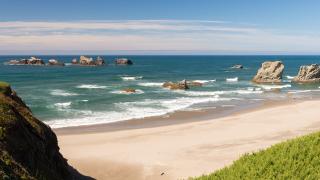
The primary draw for visitors is the stunning natural beauty of the central Oregon coast. The area is home to the Heceta Head Lighthouse, an iconic landmark that offers panoramic views of the coastline. Nearby, Sea Lion Caves, the largest sea cave in the United States, provides a unique opportunity to observe wild Steller sea lions in their natural habitat. The area is also known for its rolling sand dunes, which offer a unique landscape for exploration. The combination of these natural features creates a diverse and engaging environment for visitors. The historic Old Town district adds a cultural layer, with local shops and galleries showcasing the region’s artistic heritage.
Activities: Exploration and Relaxation
Florence offers a wide range of activities for visitors. The area is ideal for beachcombing, with its long, sandy shores providing ample space for exploration. The region is also popular for dune buggy tours, offering a unique way to experience the unique sand dunes. For those who prefer a more relaxed pace, the local parks and natural areas offer peaceful retreats. The combination of natural beauty and recreational opportunities makes Florence a versatile destination. Visitors can enjoy the natural beauty of the coast, the cultural richness of the local community, and the unique geological features of the area.
Getting There: Accessibility
Florence is located approximately 180 miles southwest of Portland, Oregon. The drive typically takes about three hours, depending on traffic conditions. The usual route runs along Interstate 5 to Eugene, then west on Highway 126 to the coast. Public transportation options are limited, so renting a car is the most practical way to explore the area. The town is well-connected by road, with clear signage and easy access from major highways. The Florence Visitor Center, located at 290 Highway 101, serves as a central hub for travel information and resources, providing visitors with brochures and guidance on local attractions.
Best Time to Visit
The best time to visit Florence is during the summer months, from June to September. During this period, the weather is typically warm and dry, with clear skies and pleasant temperatures, making it ideal for outdoor activities. The summer months also offer the best conditions for beach activities and exploring the natural surroundings. While the region is beautiful year-round, the summer months provide the most favorable weather conditions for visitors. It is advisable to book accommodations in advance, especially during the peak summer season, to ensure availability.
Best time to visit
July through September offers warm, dry weather ideal for exploring the coast.
What to see in Florence
Our picks first.
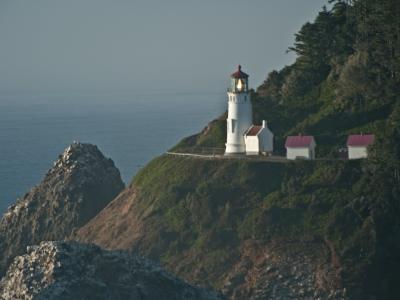
Heceta Head Lighthouse
206-foot lighthouse with 21-mile beacon and rugged Oregon coast views
Hiking Trails · Lighthouses
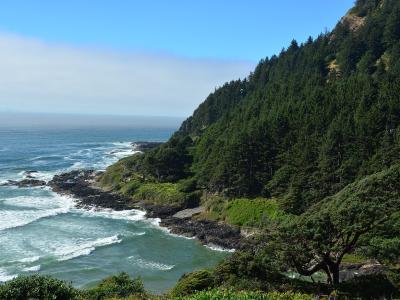
Cape Perpetua Scenic Area
Coastal & Maritime · Natural Wonders
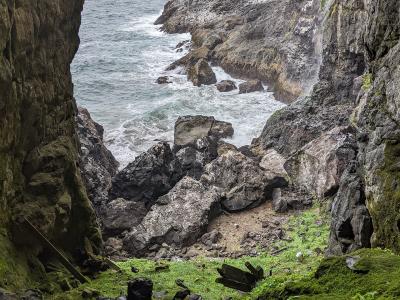
Sea Lion Caves
Massive Oregon sea cave with 125-foot dome and Steller sea lion colony
Natural Wonders · Nature & Gardens
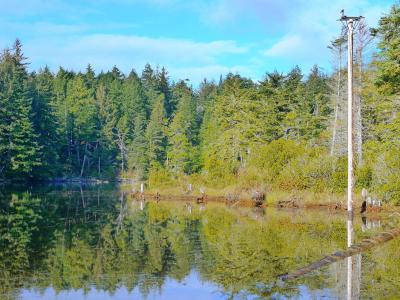
Jessie M. Honeyman Memorial State Park
Coastal park with lakes, camping, and rhododendrons near Oregon Dunes
Natural Wonders · Nature & Gardens
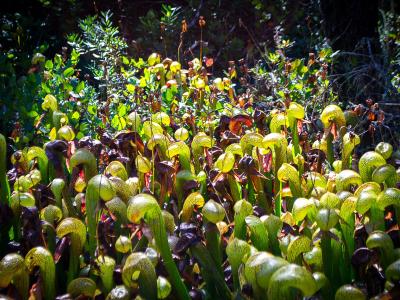
Darlingtonia Botanical Wayside
Wetland boardwalk trail to view native carnivorous cobra lilies
Natural Wonders · Nature & Gardens
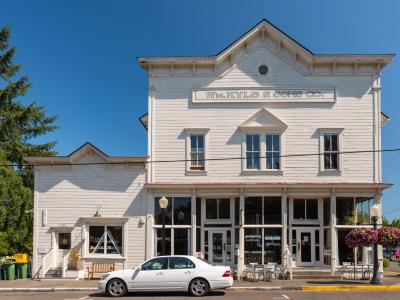
Old Town Florence
Historic waterfront district with boutiques, boardwalk, and Siuslaw River views
Free Historic Districts · Lakes & Rivers
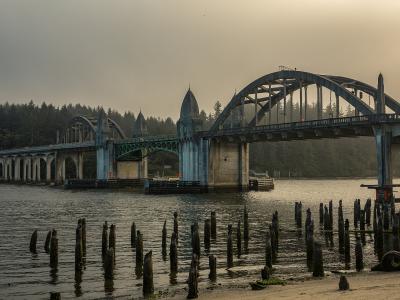
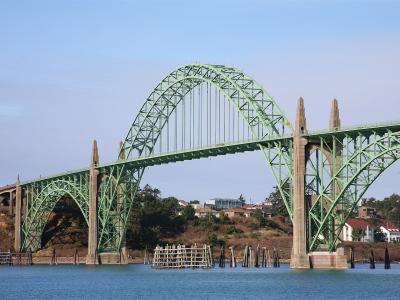
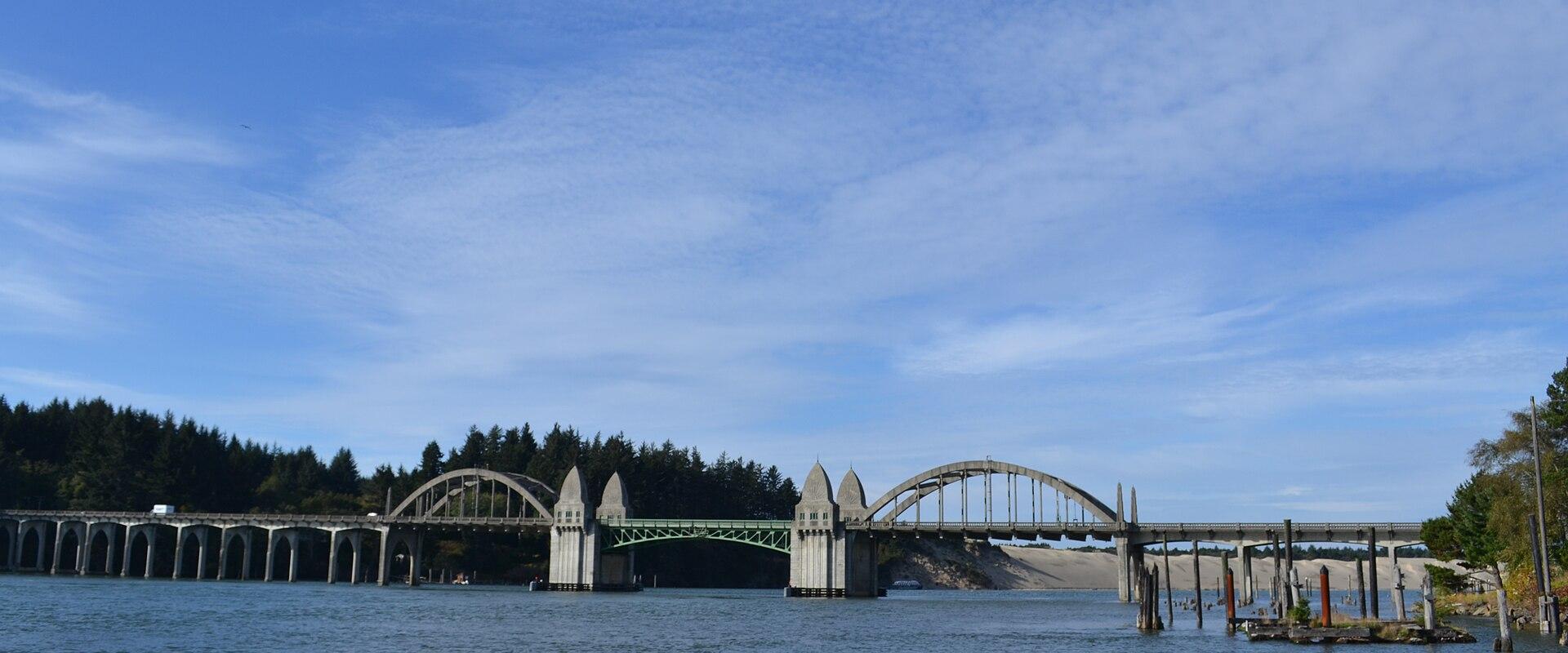
Siuslaw River Bridge
1936 Depression-era bridge spanning the Siuslaw River in Florence
Free Bridges · Historic Districts
Florence by interest
The same sights, grouped by what you came for.
Did you know?
Checked facts about Florence, each with its source.
-
History
Oregon blew up a beached whale at Florence in 1970
In November 1970 state officials used dynamite to blow up a 45-foot, 8-ton whale that had washed ashore near Florence. In 2020, after a public vote, the city named a new park Exploding Whale Memorial Park.
Source: KVAL News -
History
Florence's drawbridge was christened with Canada Dry ginger ale
The Siuslaw River Bridge at Florence, opened in 1936, was the first of five New Deal bridges completed on the Oregon Coast Highway and the only one with a drawbridge span. At its May 1936 dedication, Queen Rhododendron christened it with a bottle of Canada Dry ginger ale.
Source: National Park Service, National Register of Historic Places nomination -
Trivia
Florence's dunes set Frank Herbert on the path to Dune
Frank Herbert came to Florence to report on federal efforts to stop the moving dunes, planning a magazine piece called "They Stopped the Moving Sands" that never ran. The research grew into his 1965 novel Dune.
Source: National Geographic
Planning a visit to Florence
Itineraries that include Florence
Good to know
- Currency
- USD
- Language
- English