
History: A Legacy of Orchards and Wind
Hood River’s identity is deeply rooted in its agricultural heritage and its unique position as a gateway to the Columbia River Gorge. The town’s history is inextricably linked to the fruit industry, particularly the pear, which has been cultivated in the region’s fertile soil for over a century. The local economy was historically driven by orchards, a legacy that is still visible in the landscape today. The area’s unique climate, characterized by strong, consistent winds, has also shaped its development, attracting adventurers and athletes who seek to harness the power of the wind. This blend of agricultural tradition and outdoor adventure defines the character of the region, creating a unique cultural landscape that honors its past while embracing modern recreational opportunities.
Main Attractions: Nature and Adventure
The primary draw for visitors is the stunning natural beauty of the Columbia River Gorge. The area is known for its dramatic landscapes, including the iconic Rowena Crest, which offers panoramic views of the river and the surrounding mountains. The region is also home to numerous waterfalls, such as Starvation Creek, which offers a serene backdrop for hiking and exploration. The area is particularly popular for wind sports, with world-class conditions for kiteboarding and windsurfing. The combination of natural beauty and recreational opportunities makes Hood River a unique destination, offering a diverse range of experiences for visitors of all ages.
Activities: Wind, Water, and Wine
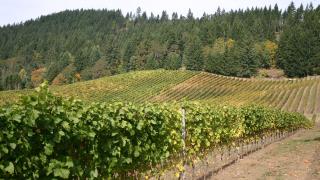
Hood River is a hub for outdoor enthusiasts, offering a wide range of activities. The area is renowned for wind sports, with world-class conditions for kiteboarding and windsurfing. The Columbia River provides a unique setting for these activities, with consistent winds and stunning views. For those who prefer a more relaxed experience, the region offers excellent opportunities for hiking, biking, and paddleboarding. The local wine industry is also a major attraction, with several wineries located in the surrounding area. Visitors can enjoy wine tastings, exploring the local vineyards, and sampling the region’s award-winning wines. The combination of outdoor adventure and culinary experiences provides a rich and diverse travel experience.
Getting There: Accessibility
Hood River is easily accessible by car, located about an hour east of Portland on Interstate 84. The drive is straightforward, following Interstate 84 eastward. The route is well-maintained, with clear signage and easy access. For those traveling from further afield, such as Seattle, the drive is approximately three hours. The region is well-connected by public transportation, with bus services available from Portland. However, renting a car is the most practical way to explore the area, as it provides the flexibility to explore the surrounding countryside and visit various attractions at one’s own pace.
Best Time to Visit
The best time to visit Hood River is during the spring, summer, and early fall, from May to October. During these months, the weather is typically warm and dry, with clear skies and pleasant temperatures, making it ideal for outdoor activities. The summer months, in particular, are popular for wind sports, as the conditions are optimal for kiteboarding and windsurfing. While the region is beautiful year-round, the summer and early fall months offer the most favorable weather conditions for exploring the area. Visiting during the shoulder seasons, such as late spring or early fall, can also provide a more peaceful experience with fewer crowds.
Best time to visit
May through September offers warm, dry weather ideal for outdoor activities.
What to see in Hood River
Our picks first.

Hood River Valley Fruit Loop
35 mile self guided drive through 14000 acres of orchards
Free Food & Drink · History & Heritage
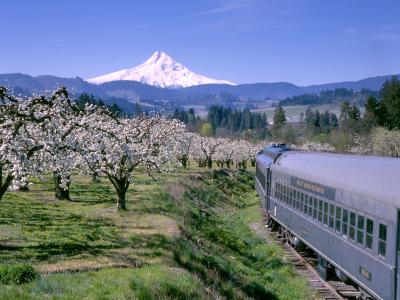
Mount Hood Railroad
Historic heritage railroad climbing through orchards and forests to Mount Hood
History & Heritage · Recreation & Sports
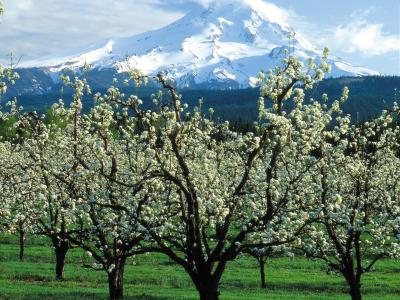
Mount Hood Scenic Byway
Scenic loop through orchards and Mount Hood National Forest with year-round recreation
Natural Wonders · Nature & Gardens
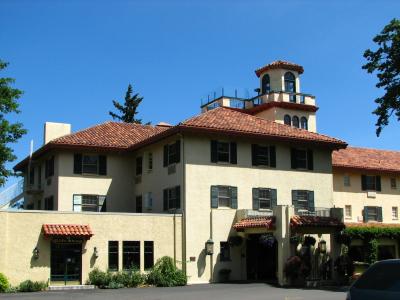
Columbia Gorge Hotel
Historic 1921 hotel overlooking Columbia River and Wah-gwin-gin Falls
Free History & Heritage · Nature & Gardens
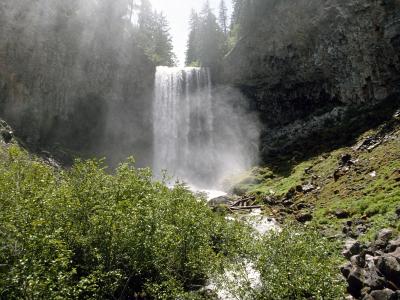
Tamanawas Falls
100-foot waterfall on Cold Spring Creek in Mount Hood National Forest
Natural Wonders · Hiking Trails
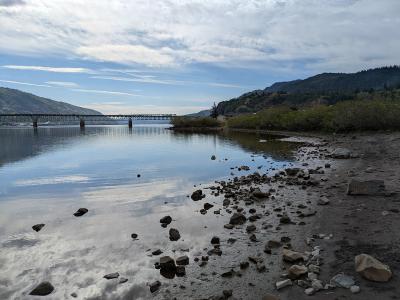
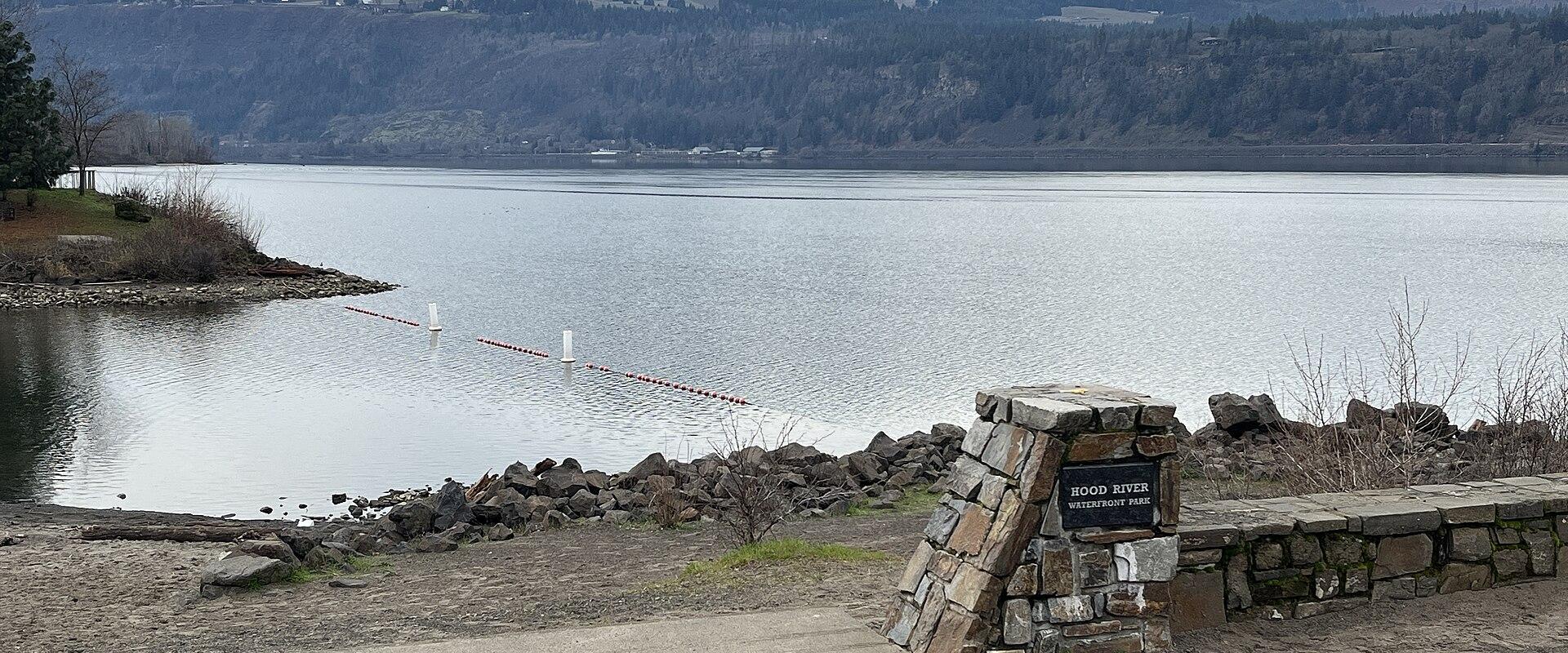
Hood River Waterfront Park
Columbia River waterfront with two miles of pedestrian pathways for water sports and relaxation
Cycling Routes · Lakes & Rivers
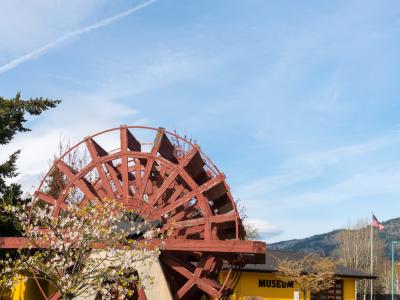
Hood River County Historical Museum
Hood River museum featuring historic River Queen paddlewheel and regional cultural history
History & Heritage
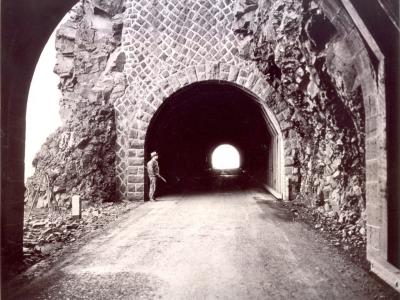
Mosier Twin Tunnels
Historic tunnel hike with river views along the Columbia River Gorge
Hiking Trails · Historic Districts
Hood River by interest
The same sights, grouped by what you came for.
Did you know?
Checked facts about Hood River, each with its source.
-
Food & Drink
A 1919 freeze turned Hood River from apples to pears
Hood River was famous for apples until a killing freeze struck many of its orchards in 1919. Farmers replanted with pears, and the city says Hood River County now leads the world in Anjou pear production.
Source: City of Hood River -
Name Origin
Hood River was once called Dog River
The river and the settlement at its mouth were first known as Dog River. Pioneer Mary Coe objected to the name and got it changed to Hood River, which appears on a map as early as 1856.
Source: City of Hood River -
History
Hood River's Legion post blacked out 16 Nisei soldiers' names
On 29 November 1944, members of Hood River's American Legion Post 22 blacked out the names of 16 Japanese American soldiers, then serving in the US Army, on the county's war honor roll at the courthouse. The post reversed the decision in spring 1945 after national criticism, and formally apologized on Veterans Day 2022.
Source: The American Legion
Planning a visit to Hood River
Itineraries that include Hood River
Good to know
- Currency
- USD
- Language
- English