







Regional Climate Divides
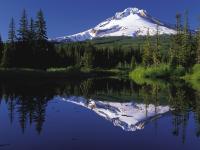
Oregon features distinct climate zones defined by the Cascade Range. The western coast and Willamette Valley experience a marine west coast climate. These areas receive heavy rainfall, particularly during winter months. Temperatures remain moderate year-round with minimal extreme heat. East of the Cascades, the high desert climate dominates. This region sees extreme temperature variations between day and night. Summer days can be hot, while winters bring severe cold. The Cascade Mountains present alpine conditions with heavy snowpack. Snow accumulation supports winter sports and regulates water supplies. Rapid environmental transitions occur when crossing mountain ridges. Travelers must plan for sudden weather shifts. The Oregon Health Authority advises preparing for winter storms. Residents should check forecasts and maintain emergency kits. OR-Alert notifications provide critical warnings for specific locations. Distinguish between watches and warnings for safety. Blizzard warnings indicate life-threatening conditions requiring immediate refuge. Protect exposed skin from frostbite using appropriate clothing. Flexible planning is essential due to these diverse zones.
Seasonal Travel Windows
Summer (June-August) serves as the peak travel season. Reliable weather supports outdoor activities statewide. The Oregon Coast benefits significantly from warm, dry conditions. July and August offer the most stable coastal weather. Travelers should check storm forecasts and tide schedules. Spring and autumn provide transitional weather patterns. These seasons carry potential for unpredictable conditions. Winter focuses on alpine recreation in the Cascades. Road safety requires caution during storms. The Oregon Health Authority advises preparing emergency kits. Sign up for OR-Alert notifications for warnings. Distinguish between Winter Storm Watches and Warnings. Blizzard warnings indicate life-threatening conditions. Seek immediate refuge if visibility drops. Protect extremities against frostbite with insulated gear. Water-resistant coats and mittens are essential. Check forecasts regularly before traveling. Prepare vehicles for extreme cold. These steps ensure safety during winter visits.
Winter Storm Preparedness
Oregon residents must monitor OR-Alert warnings for specific locations like home or work. Distinguish between a Winter Storm Watch, indicating a likely storm, and a Warning, signaling active conditions. Blizzard warnings demand immediate refuge due to near-zero visibility and deep snow drifts. Protect against frostbite by covering ears, face, hands, and feet. Wear water-resistant coats, insulated boots, and mittens. Check ODOT road conditions before traveling. Maintain a vehicle emergency kit for winter travel. Coastal areas face unique hazards, including flooding and landslides during heavy rain. Prepare homes and vehicles for extreme cold. Regularly check forecasts to stay informed. Sign up for notifications to receive timely updates. These steps ensure safety during Oregon’s severe winter weather events.
Summer Fire Risks
Eastern and central Oregon face high wildfire risk during dry summers. Dry vegetation ignites easily under hot conditions. Travelers must monitor air quality via AirNow.gov. Poor air quality affects visibility and health. Adhere strictly to all evacuation orders issued. Authorities prioritize safety over convenience during emergencies. Camping and campfire restrictions activate during red flag warnings. These warnings indicate extreme fire danger levels. Many state parks and hiking trails close temporarily. Closures prevent accidental ignitions in dry brush. Flexible travel plans are essential for safety. Rigid itineraries may become impossible to follow. Check local alerts before entering fire zones. Smoke can drift from distant fires. Plan alternative routes if roads close. Stay informed about changing weather patterns. Oregon’s diverse terrain influences fire spread speed. Respect all posted safety signage. Prioritize personal safety above sightseeing goals.
Packing Essentials Guide
Pack layers for Oregon’s variable weather. Use moisture-wicking base layers. Add insulating mid-layers for warmth. Include waterproof outer shells for rain. The Coast remains windy even in summer. Bring wind-resistant clothing for coastal trips. High desert and mountain regions demand sun protection. Pack hats and sunscreen for intense UV exposure. Winter requires thermal layers for cold temperatures. Insulated boots prevent frostbite on feet. Water-resistant coats protect against heavy snow. Pack vehicle traction aids for icy roads. Check OR-Alerts for storm warnings before travel. Prepare emergency kits for extreme cold. Protect ears and hands with mittens. Blizzard conditions require immediate shelter. Monitor air quality during summer fires. Pack masks for poor air days. Adjust clothing for rapid temperature shifts. Prioritize functionality over style in all zones.