



Oregon’s Diverse Campscapes
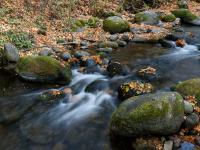
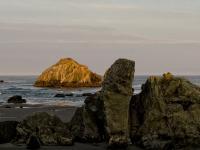
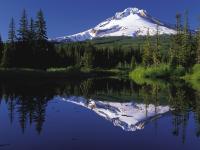
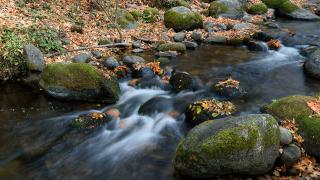
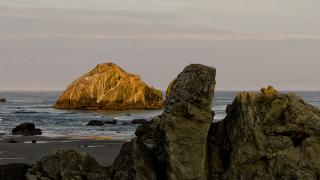
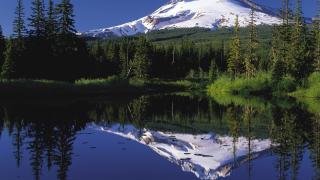
Oregon’s terrain splits campers into two distinct zones. The western region receives heavy rain, requiring robust waterproof gear. Campers must prepare for wet, cool conditions year-round. In contrast, the eastern highlands offer arid, open landscapes. This area features dry heat and sparse vegetation. Gear choices must adapt to these extreme differences. Glamping sites in the west often provide heated tents. These structures protect against frequent rain and cold. Eastern sites often feature open-air platforms or sturdy cabins. These options suit dry, sunny desert conditions. Campers must select gear based on specific regional needs. The western coast demands heavy rain protection. The high desert requires sun protection and hydration. Both regions offer unique camping experiences. Proper preparation ensures safety in both environments. Campers should check local weather forecasts daily. This practice helps manage changing weather conditions. Oregon’s diverse landscape supports varied camping styles. Each region offers unique natural features. Campers must respect local environmental rules. Staying informed ensures a safe trip. Oregon’s diverse terrain offers unique camping opportunities.
Oregon’s public lands offer distinct camping experiences. The Bureau of Land Management allows dispersed camping in many areas. Campers must follow the 200-foot rule from roads and water. This ensures minimal environmental impact. For developed sites, use the Recreation.gov platform. This system manages reservations for state parks and federal lands. It is essential for securing popular spots. Advance booking is critical for popular sites. Many campgrounds fill quickly during peak summer months. Plan your reservation six months in advance. This strategy prevents disappointment during high season. Amenities vary significantly by location. Some sites offer full hookups and utilities. Others provide basic pit toilets and fire rings. Check specific site details before arrival. Always verify current rules and fire restrictions. Local conditions change rapidly with weather. Check for fire bans before lighting any stove. Prepare for variable weather in the Cascades. Rain is common in western Oregon. Bring robust waterproof gear for all seasons. In contrast, eastern regions are drier. Pack accordingly for the specific zone. Safety remains the top priority. Identify local hazards like cliffs or poison oak. Locate emergency services before setting up camp. Store food securely to avoid wildlife encounters. Keep water nearby for fire safety. Never leave fires unattended. Ensure fires are fully extinguished before sleeping. Maintain hygiene in communal areas. Carry a first-aid kit for accidents. These steps ensure a safe Oregon camping trip.
The Rise of Luxury Glamping
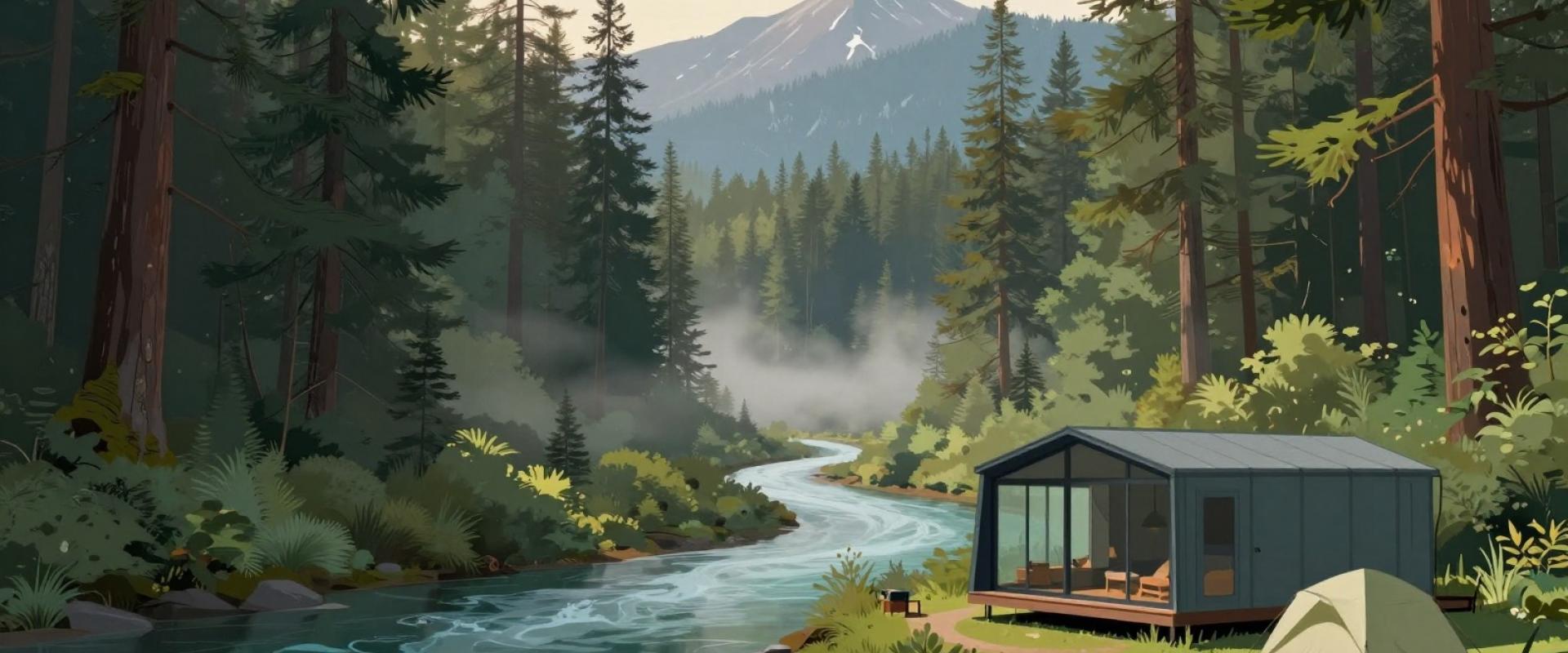
Oregon’s glamping sector offers high-end accommodations in natural settings. These sites provide distinct amenities unavailable in traditional tent camping. Guests access private bathrooms and climate-controlled beds. This focus on comfort attracts travelers seeking aesthetic experiences. Many operators prioritize eco-conscious tourism practices. They support local economies through regional hiring and sourcing. Reservations often require booking six months in advance. This demand reflects the growing popularity of structured outdoor stays. Safety protocols remain strict, including fire safety rules. Campers must follow specific site guidelines for waste. Hygiene standards are higher than standard dispersed camping. The experience blends wilderness access with modern convenience. Prices vary by season and location. Peak summer months see the highest occupancy rates. This trend supports sustainable local business models. It reduces environmental impact compared to large resorts. Travelers gain access to remote areas safely. The model encourages responsible engagement with Oregon’s diverse landscapes.
Wildfire Safety and Fire Regulations
Oregon faces severe wildfire risks during dry summers. Campers must monitor daily fire restrictions closely. Bans often prohibit all open flames in high-risk zones. Always check the Oregon Department of Forestry website before arrival. Use designated fire rings only where permitted. Portable grills are allowed if placed on non-combustible surfaces. Never leave cooking equipment unattended. Glamping sites typically provide safe, contained fire pits. These structures reduce accidental spread risks significantly. Evacuation protocols vary by county and specific campground. Identify multiple exit routes upon checking in. Download the OES Alert system for real-time warnings. Cell service may fail in remote Cascades areas. Carry a NOAA weather radio as backup. Stay informed via official state alerts. Prepare to leave immediately if ordered. Do not wait for visual smoke signs. Respect all temporary closure signs posted by rangers. Violations result in heavy fines and potential imprisonment. Prioritize personal safety over equipment preservation. Ensure all fires are cold to the touch before sleeping. This simple step prevents overnight reignitions. Proper preparation ensures a safe Oregon outdoor experience.
Leave No Trace and Wildlife Etiquette
Oregon’s fragile ecosystems demand strict adherence to Leave No Trace principles. Campers must pack out all trash, including food scraps and hygiene products. Glamping sites often provide waste bins, but dispersed campers must carry everything out. Proper waste disposal prevents contamination of Oregon’s waterways. Wildlife habituation poses significant risks to both animals and visitors. Store all food in sealed containers or bear-proof lockers. This practice applies to both tent sites and luxury glamping units. Never feed local wildlife, including deer, bears, or birds. Feeding alters natural behaviors and increases dangerous human-animal conflicts. Maintain a safe distance from all animals in their natural habitats. Do not approach or attempt to photograph wildlife up close. Respect natural habitats by staying on designated trails and campsites. Trampling vegetation damages sensitive alpine and forest environments. Oregon’s diverse terrain requires extra caution in remote areas. Always follow site-specific wildlife encounter guidelines provided by land managers. Proper etiquette ensures sustainable tourism for future generations. Protecting Oregon’s natural beauty requires collective responsibility from every camper.