

The Willamette Valley wine trail
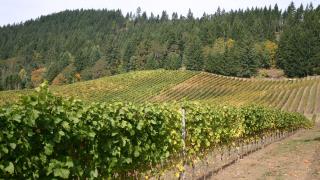
The Willamette Valley defines Oregon’s wine identity. Pinot Noir dominates these vineyards, thriving in the region’s unique climate. The Dundee Hills stand out as a premier sub-region for this grape. Cool Pacific air and marine influences shape the local terroir. This environment produces wines with distinct acidity and elegance. The area’s geology, including volcanic and sedimentary soils, supports this growth. These conditions are essential for high-quality grape production. The region is a global reference point for Pinot Noir. Visiting here offers direct access to these specific growing conditions. The landscape is defined by rolling hills and vineyards. This setting is central to the state’s wine reputation. The focus remains on the specific characteristics of the local vintage. The connection between land and bottle is direct and clear. This is the core of Oregon’s wine culture.
Central Oregon Craft Breweries
Central Oregon offers a distinct craft beer scene. Bend serves as the primary hub for this activity. The Bend Ale Trail connects multiple local breweries. Visitors can explore diverse styles in one area. High desert conditions influence local brewing techniques. Many breweries focus on IPAs and stouts. Tasting room etiquette requires respectful behavior. Staff appreciate polite questions about ingredients. Visiting during weekdays offers a quieter experience. Weekends often draw larger, more crowded crowds. Planning ahead ensures a smoother visit. Some taprooms require reservations for large groups. Always check specific opening hours before visiting. Transportation options include driving or local shuttles. Parking is generally available near most locations. Supporting local businesses directly aids the community. Each brewery maintains its unique character. The climate remains dry and sunny. This environment supports unique agricultural products. Local hops and grains are often used. The community values quality and craftsmanship. Visiting supports local economic growth. Engaging with brewers provides deeper insight. Many staff members are knowledgeable experts. They offer detailed explanations of brewing processes. This educational aspect enhances the overall experience. Visitors should plan for adequate time. Tasting multiple beers takes considerable time. Pacing is essential for full enjoyment. Responsible consumption is always expected. Local laws strictly enforce drinking age limits. All visitors must present valid identification. Compliance ensures a safe and enjoyable environment for everyone involved in the craft beer community.
Craft Distilleries
Oregon’s craft spirit sector has expanded significantly. Distilleries now operate across the state, offering diverse spirits. Gin, vodka, and whiskey are common outputs. Many producers use local botanicals for unique flavors. Visiting these locations requires planning ahead. Most distilleries are located in urban centers like Portland. Some are located in rural areas, such as Bend. Visitors should check opening hours before traveling. Tasting room fees often apply to entry. Samples are typically included in the tasting fee. It is advisable to book tours in advance. This ensures a spot during peak weekend hours. Transportation is recommended, as alcohol is consumed. Designated drivers are essential for safe travel. The experience focuses on the craft of distillation. Visitors can observe the distillation process directly. Staff often provide detailed explanations of the process. Oregon’s distilleries are known for their quality. Many use locally sourced ingredients. This supports local agriculture and reduces transport costs. The variety of spirits reflects regional preferences. Gin is particularly popular in the state. Vodka and whiskey are also widely produced. The craft spirit industry continues to grow. New distilleries open regularly to meet demand. This growth supports the local economy. It also provides more options for consumers. The quality of Oregon spirits is high. Many receive awards for their craftsmanship. This recognition highlights the skill of local distillers. The community is supportive and collaborative. Distillers often share knowledge and resources. This collaboration helps maintain high standards. The craft spirit scene is vibrant. It offers a unique experience for visitors. The focus is on quality and craftsmanship. This approach ensures a high-quality product. The Oregon craft spirit industry is thriving.
Responsible Tasting Practices
Oregon enforces strict alcohol laws for craft beer, wine, and spirits. Public consumption remains illegal in most areas. You must consume beverages within licensed establishments or private property. Designated drivers are essential for safe transportation. Oregon law prohibits driving under the influence. Always plan your route before visiting breweries or wineries. Use local taxi services or ride-sharing apps. Many venues offer shuttle services between tasting rooms. Check specific county regulations regarding open containers. Carry valid identification for age verification. Purchase alcohol only from licensed retailers. Respect local noise ordinances during evening hours. Stay hydrated while sampling different spirits. Oregon’s diverse landscape requires careful travel planning. Prioritize safety over extended tasting sessions. Know your limits when trying new craft beers. Wine tours often span multiple counties. Plan rest stops along your route. Always designate a sober driver for group trips. This ensures a safe return to your accommodation. Oregon values responsible consumption above all else.
Planning Your Itinerary
Plan your Oregon alcohol tour well in advance. Many popular wineries and breweries require reservations. This is especially true for Willamette Valley Pinot Noir tastings. Central Oregon breweries often have limited seating. Check operating hours before visiting. Some distillies close early on weekdays. You must manage your time carefully. Public consumption is illegal in Oregon. You cannot drink in public spaces. Plan designated drivers or use ride services. Budget for tasting fees at each location. These costs add up quickly across multiple stops. Focus on specific regions like Bend or Dundee Hills. This reduces travel time between venues. Verify reservation policies directly with each establishment. Policies change frequently without notice. Prioritize your top three choices per day. This prevents fatigue and ensures quality experiences. Always carry valid identification for age verification. Oregon enforces strict legal drinking age laws. Proper planning ensures a safe and enjoyable trip.