

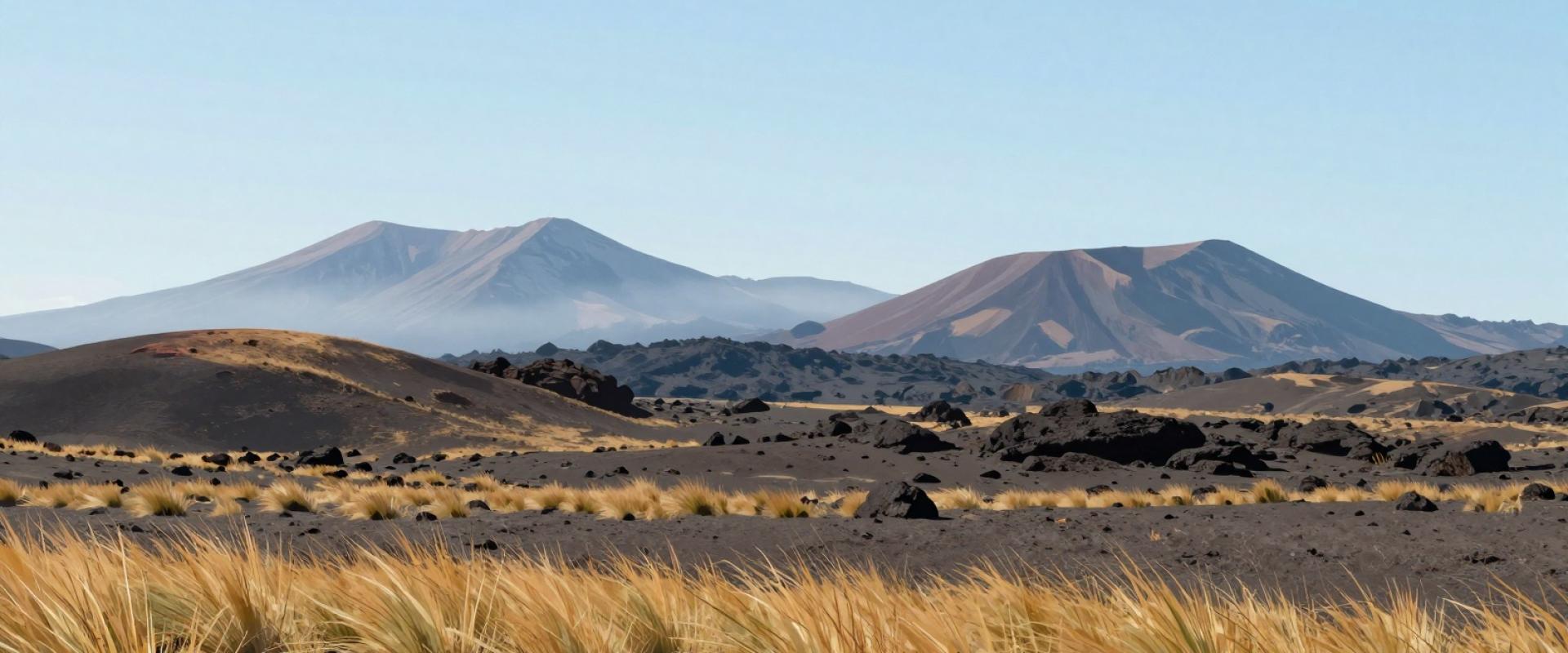
Oregon’s geography demands specific logistical planning for families. The state features distinct microclimates that shift rapidly. Coastal areas remain cool and damp year-round. Eastern regions experience hot, dry summers. Packing must adapt to these varied conditions. Bring layers for sudden temperature drops. Mountain passes require careful vehicle assessment. Snow chains may be necessary in winter. Coastal roads often feature sharp curves. Drivers must monitor speed limits closely. Watch for large log trucks on highways. These vehicles enter roads frequently. Multi-generational groups face driving fatigue risks. Long distances between attractions increase travel time. Focus on regional clusters to minimize driving. The Oregon Coast offers accessible family stops. Eastern trails provide easier terrain for kids. Avoid cross-state trips in a single day. Rent lightweight, foldable car seats locally. Services like BabyQuip deliver gear to hotels. This reduces baggage stress significantly. Toddlers prefer familiar seats on short drives. Check rental availability before arrival. Plan routes around rest stops. Frequent breaks prevent exhaustion. Verify road conditions before departure. Winter storms can close mountain routes. Summer fires may affect air quality. Always check current travel advisories. Prioritize safety over ambitious itineraries. Keep emergency kits in every vehicle. Include snacks, water, and first aid supplies. Oregon’s terrain rewards careful preparation. Thorough planning ensures a smoother family trip.
Coastal Safety and Accessibility
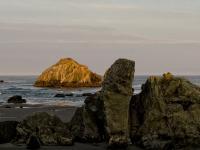
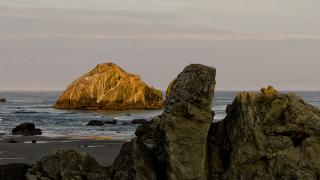
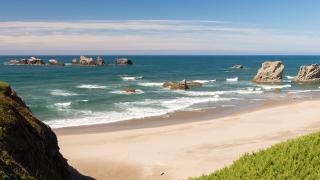
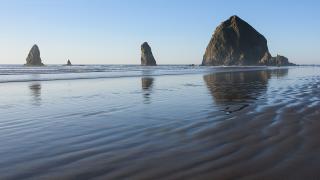
Oregon’s coastline presents unique hazards for families. Sneaker waves strike without warning along the entire shore. Maintain a safe distance from the water’s edge at all times. Never turn your back on the ocean. Standard strollers fail on soft sand and rocky paths. All-terrain models with large wheels are essential for beach access. Check tide tables before visiting tide pools. Low tide reveals marine life but rising water traps visitors. Plan educational activities during safe, low-tide windows. Coastal weather shifts rapidly, requiring layered clothing for children. Bring waterproof gear to protect electronics and snacks. Rental equipment like BabyQuip offers suitable strollers for difficult terrain. Avoid cliff edges, which erode unpredictably. Stay on marked trails to prevent falls. Supervise children closely near rocky outcrops. Oregon’s coastal parks provide clear safety signage. Follow all posted warnings regarding hazardous conditions. Prepare for wet, windy conditions common in the region. Ensure children wear non-slip footwear for stability. These precautions ensure a secure family experience along the Pacific.
Mountain Environments and Altitude
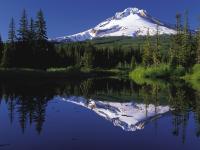
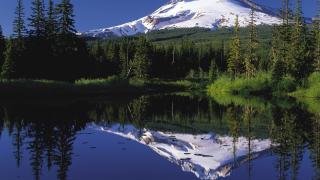
Oregon’s Cascade Range elevations exceed 8,000 feet. Families hiking Mount Hood or Crater Lake face thin air. Monitor children closely for altitude sickness symptoms. Headaches, nausea, and dizziness require immediate descent. Ensure adequate hydration for all travelers. Drink water frequently, even without thirst. Mountain weather shifts rapidly in the Cascades. Plan for rapid shelter access during storms. Carry extra layers for sudden temperature drops. Check road conditions regularly before driving. Oregon Department of Transportation updates highway status online. Snow or rockfall hazards block Mount Hood Highway. Winter tires or chains are mandatory in winter. Plan extra time for mountain travel. Avoid driving in whiteout conditions. Stay in designated campsites at high elevations. Emergency services respond slower in remote areas. Pack a first-aid kit with altitude medication. Inform rangers of your itinerary before hiking. Keep children within sight at all times. Oregon’s high country demands respect and preparation. Prioritize safety over reaching summits. Turn back if conditions deteriorate. Family trips require careful altitude management. Hydration and rest prevent serious health issues. Always verify current road closures online. Weather forecasts change hourly in the mountains. Be prepared for unexpected delays. Safety remains the primary concern for families.
Equipment Logistics and Rental Strategies
Oregon’s variable weather requires adaptable gear for family trips. Renting strollers and car seats locally reduces travel burden significantly. Services like BabyQuip deliver equipment directly to Oregon accommodations. This eliminates the need for heavy overhead bin packing. Verify all rental vehicle safety equipment before driving. Oregon highways feature sharp curves and log trucks. Ensure car seats are installed correctly for these conditions. Follow posted speed limits strictly in mountainous regions. Incorporate educational tools to enhance engagement for children. Use state park guides to identify local flora. This turns transit time into learning opportunities. Check rental agreements for insurance coverage details. Confirm return policies align with your itinerary. Oregon’s coastal and eastern regions demand different gear. Pack lightweight, foldable items for easy transport. Verify installation of safety gear before departure. This prevents stress during long drives. Local rental services offer region-specific equipment. This ensures suitability for Oregon’s diverse terrain. Prioritize safety and convenience in all logistics.
Final Planning Checklist
Confirm family-friendly accommodations in advance. Oregon’s coastal and mountain regions require specific gear. Pack lightweight, foldable strollers for easy transport. Rent car seats locally to avoid travel burden. Prepare an emergency kit for remote areas. Download offline maps for areas with poor signal. Establish a communication plan for group safety. Oregon’s terrain varies from coast to high desert. Weather changes rapidly in the Cascade Range. Headaches and nausea may indicate altitude issues. Stay alert for log trucks on rural highways. Maintain a safe distance from ocean waves. Sneaker waves strike without warning along the shore. Never turn your back on the water. These steps ensure a safe and cohesive family trip. Plan carefully to handle Oregon’s diverse terrain effectively.