





The Pacific Northwest Palate
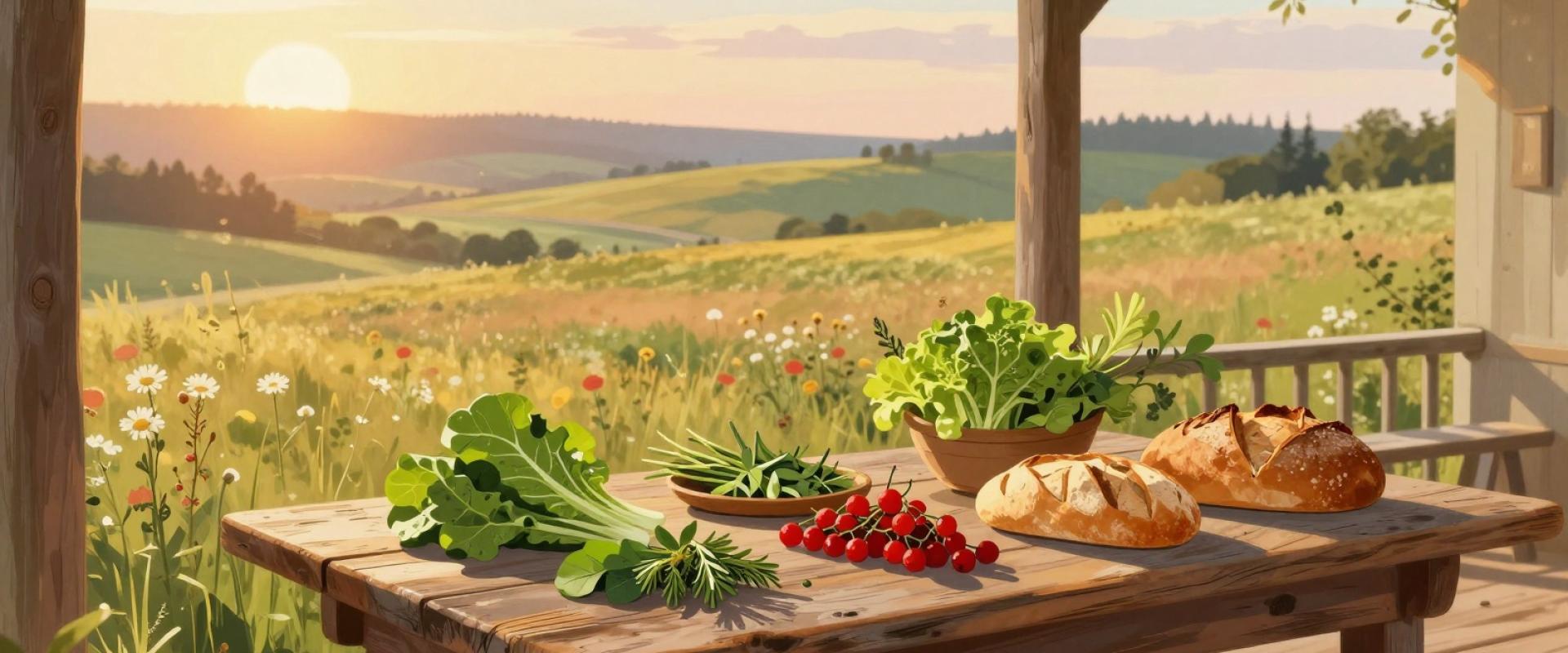
Oregon cuisine prioritizes fresh, seasonal, and locally sourced ingredients. The state boasts global recognition for agricultural diversity. This richness centers heavily in the Willamette Valley. Chefs blend local tradition with innovative creativity. The unique geography directly influences the dining experience. Coastal areas provide abundant seafood options. Clam chowder serves as a notable coastal indulgence. Artisan cheeses reflect the region's dairy production. Hearty meals define the traditional food culture. Travelers seek out these distinct local flavors. The culinary scene emphasizes organic sourcing methods. Diverse landscapes range from lush valleys to shores. Modern twists on recipes honor cultural heritage. Dining experiences connect agriculture directly to the plate. Oregon’s food identity remains rooted in its land. Seasonal availability dictates much of the menu selection. Local producers supply many high-end restaurants. The Pacific Northwest palate offers distinct regional tastes. Visitors can explore these flavors through guided tours. The focus remains on quality and origin. Every dish tells a story of place. Oregon’s culinary reputation grows through consistent excellence. Sustainable practices support the local food economy. The result is a unique gastronomic landscape.
Coastal and Forest Flavors
Oregon’s coastal cuisine relies heavily on fresh seafood. Dungeness crab defines the regional menu along the Pacific shore. Wild salmon appears frequently in local restaurant preparations. These ingredients arrive daily from regional fishing fleets. The 'ocean-to-table' approach ensures maximum freshness for diners. Inland dishes shift focus to forest-foraged ingredients. Wild mushrooms are a staple in many meals. Morel and chanterelle varieties dominate the autumn harvest. Local berries also feature prominently in savory and sweet dishes. Game meats from the forests provide hearty options. The 'forest-to-table' method connects these ingredients directly to plates. This dual approach shapes the authentic Oregon dining experience. Coastal and forest elements define the state's unique palate. Diners can expect high-quality, locally sourced ingredients. The cuisine reflects the state's diverse natural landscapes. Oregonians prioritize fresh, seasonal, and locally sourced products. This commitment ensures consistent quality in local restaurants. The culinary identity remains deeply tied to the land. Local chefs honor traditional recipes with modern techniques. This blend creates a distinct regional food culture. Travelers seeking authentic flavors will find them here. The focus remains on ingredient quality and origin. Oregon’s food scene celebrates its agricultural diversity. This dedication to local sourcing defines the state's culinary reputation.
Signature Dishes and Artisan Products
Clam chowder remains a definitive coastal staple in Oregon. You will often find this hearty soup served inside hollowed sourdough bread bowls. This presentation keeps the broth hot and adds a distinct crusty texture. Artisan cheeses represent another key component of the local culinary identity. Oregon producers utilize high-quality milk from regional dairy farms. These cheeses range from sharp aged varieties to soft fresh curds. Craft beers also define the state’s gastronomic reputation. Breweries across the state experiment with local hops and ingredients. Farmers' markets serve as the primary source for these goods. You can find fresh produce and handmade items at weekly markets. Specialty shops in urban centers stock regional artisan products. These stores offer curated selections of local cheeses and brews. Visiting these markets allows direct interaction with local producers. You can taste products before purchasing them. This approach ensures freshness and supports regional agriculture. The combination of seafood, dairy, and hops creates a unique flavor profile. Oregon’s food culture emphasizes quality and local sourcing. Travelers should prioritize these items for an authentic experience. The availability of these products varies by season. Summer and fall offer the widest selection of fresh goods. Planning visits around market days maximizes your culinary opportunities.
Dining Etiquette and Reservations
Reservations are essential in popular areas like Portland and the Willamette Valley. Demand for local dining spots often exceeds supply. You should book tables weeks in advance for weekend dinners. This practice ensures access to sought-after restaurants. Tipping 18-20% is standard for good service. This percentage reflects the state’s service industry norms. Staff rely on these gratuities for fair compensation. Always calculate tips based on the pre-tax bill amount. Dietary accommodations are widely available across the state. Most establishments cater to common restrictions like gluten-free needs. However, it is best to inform the restaurant in advance. This notice allows chefs to prepare suitable alternatives safely. Oregon’s farm-to-table culture supports flexible menu adjustments. You can often request substitutions for seasonal ingredients. Clear communication helps kitchen staff manage special requests efficiently. Always confirm reservation details via phone or email. This step prevents misunderstandings regarding party size or time. Oregon diners generally expect punctuality and respectful conduct. Arriving late may result in losing your table. Be prepared to wait if no reservation exists. Local eateries prioritize guests with confirmed bookings. Understanding these norms enhances your overall culinary experience. Respect for local customs shows appreciation for Oregon’s food scene.
Seasonal Availability and Best Times
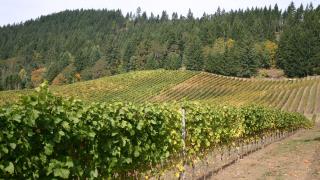
Spring brings fresh greens and early berries to Oregon tables. Local farms begin harvesting leafy vegetables in March. You can find these ingredients at Portland farmers markets. Summer marks the peak season for stone fruits. Cherries and apricots ripen in the Willamette Valley. This period also highlights the state’s renowned wine harvest. Vineyards in the Dundee Hills open for tastings. Autumn is ideal for mushroom foraging in dense forests. Chanterelles and porcini appear after early rains. Harvest festivals celebrate the bounty across rural counties. Winter shifts focus to hearty stews and warm seafood. Dungeness crab season runs from December through April. Menus are often updated seasonally by local chefs. You should check current offerings before dining. This ensures you taste the freshest local ingredients. The changing seasons define the culinary rhythm here. Each season offers distinct flavors and unique experiences. Planning your visit around these cycles enhances the experience. You will taste the true essence of the region.