The Tectonic Foundation
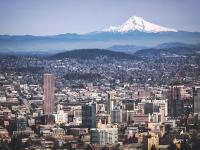
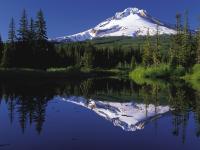
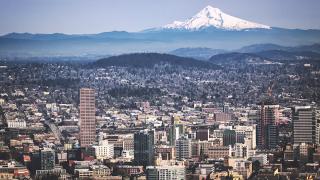
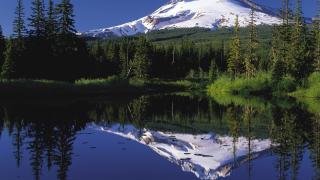
Tectonic forces define Oregon’s topography. The Cascade Range formed through plate subduction. This geological activity shapes the current landscape. Volcanic layers build the high peaks. Erosion carves the deep valleys below. The geologic history directly influences the terrain. Ancient lava flows create the high ground. Recent volcanic activity remains a geological fact. The landscape reflects these ongoing tectonic forces. Understanding this geology explains the physical environment. The foundation supports the diverse ecosystems above. This geological context is essential for understanding the state's natural structure.
The Cascade Barrier
The Cascade Range acts as a climatic barrier. Western Oregon receives heavy precipitation. Rain falls on western slopes. Moist air rises and cools. This creates dense western forests. Eastern Oregon lies in the rain shadow. The range blocks moisture from the Pacific. Eastern Oregon receives significantly less rain. The climate becomes drier eastward. High desert conditions form in the east. The transition is distinct and sharp. Western forests contrast with eastern plains. The geological divide is clear. Moisture is trapped by the peaks. Eastern regions remain arid. This geographic divide defines the state. Western areas are wet and green. Eastern areas are dry and open. The barrier separates two distinct ecosystems. The climate difference is significant.
Coastal Dynamics
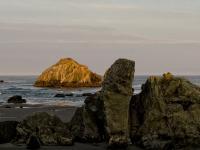
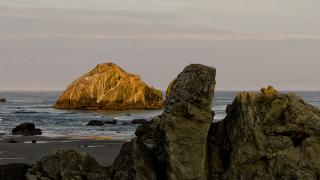
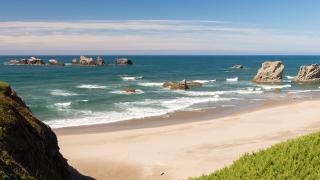
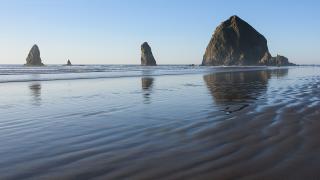
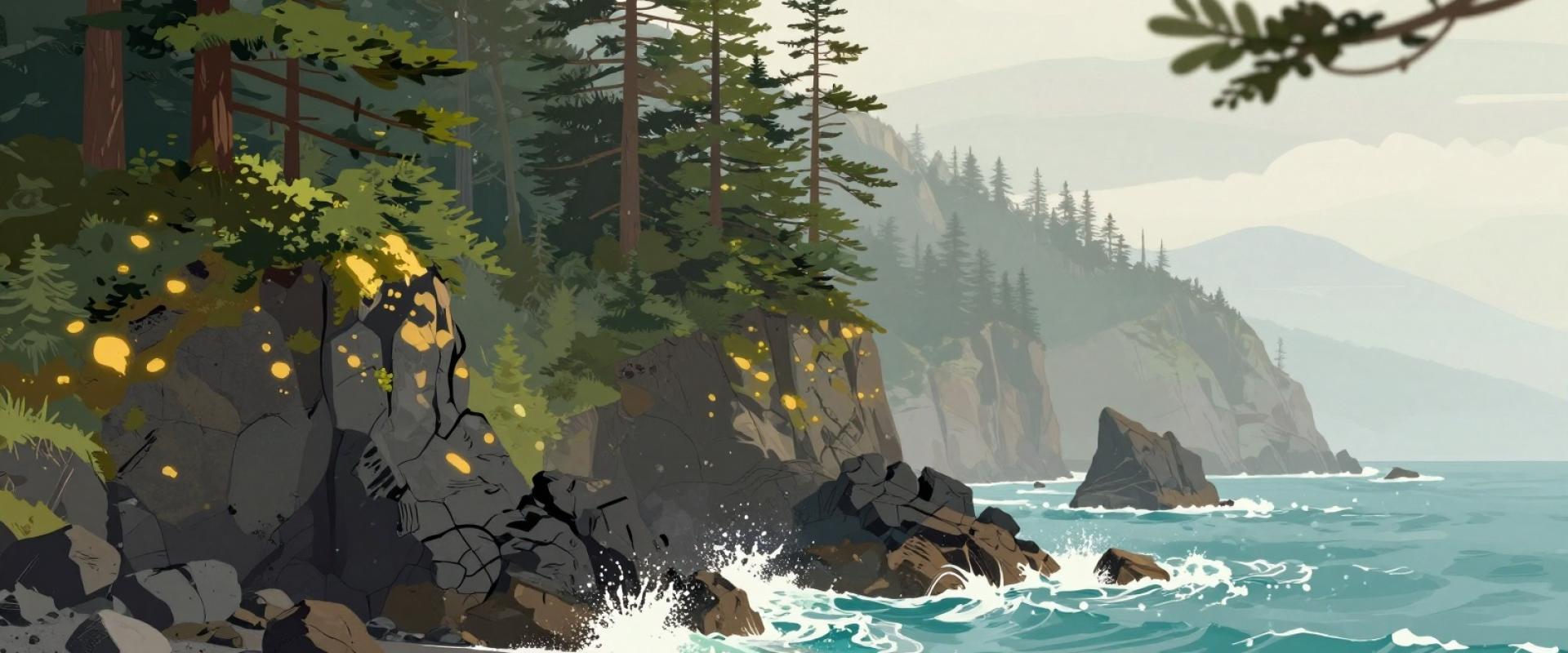
The Oregon coast spans 363 public miles. Wave action constantly reshapes this shoreline. Erosion wears down the rocky cliffs. This geological process is continuous. Tidal patterns significantly affect access. High tides can isolate visitors. You must check tide tables before visiting. Local information centers provide these schedules. Sneaker waves pose a significant hazard. These sudden surges can knock people down. Never turn your back on the ocean. The water is more dangerous than it appears. Always remain aware of changing conditions. Plan your visit around safe tidal windows. This ensures a safe and controlled experience. Always respect the power of the ocean. Stay alert to the dynamic coastal environment.
High Desert Realities
The high desert environment features extreme temperature variations. Daytime heat contrasts sharply with cold nights. This climate demands careful preparation. Hikers must respect the fragile ecosystem. Minimal impact is essential for preservation. Sensitive plant life requires careful navigation. Local wildlife requires specific safety precautions. Visitors should plan routes in advance. Check local regulations before entering the area. Water sources are often scarce in this region. Carry sufficient water for all activities. Be aware of sudden weather changes. Prepare for rapid temperature drops at night. Respect local wildlife by maintaining distance. Do not disturb native plants or animals. Stay on established trails to protect soil. These measures ensure safe and responsible travel through Oregon's high desert regions.
Plan ahead for Oregon’s diverse terrain. Check weather conditions before entering the wild. The 363-mile public coastline presents specific hazards. Sneaker waves can pull swimmers out to sea. Waterlogged logs are heavy and dangerous. Stay off wet sand and submerged debris. Deep water currents are unpredictable. Avoid swimming in deep areas without caution. Check tide tables at state parks. These resources detail safe times for coastal access. Plan your route carefully. Respect the environment by staying on designated trails. Pack out all trash to preserve the landscape. Prepare for extreme temperature changes in high desert areas. Always carry adequate water and supplies. Respect local rules in every area you visit. Safety depends on preparation and awareness. Stay alert to changing environmental conditions. Prioritize personal safety in all outdoor activities.