






Coastal Hazards and Water Safety
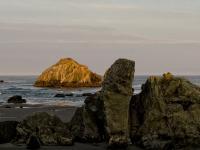
Oregon’s 363 miles of public coastline present unique physical dangers. The Oregon Coast Visitors Association emphasizes that safety is paramount for all visitors. Tragic water accidents often result from a lack of specific safety knowledge. Sneaker waves are unpredictable surges that can sweep people into the ocean. You must never turn your back on the ocean to avoid these sudden events. Waterlogged logs pose a severe crushing hazard. Even small logs can be extremely heavy when saturated. Visitors should stay off any logs in the surf or on wet sand. Strong undertows and currents exist in deeper water areas. Staying in shallow water is advised to mitigate this risk. Tides change rapidly along the coast. Visitors must check tide tables before approaching rocks. This prevents being isolated when tides recede unexpectedly. Learning to swim is a fundamental safety requirement. Never swim alone to ensure help is available if needed. Closely supervise children at all times near the water. These specific precautions address the immediate hazards of the Oregon coast.
Cellular service is unreliable in remote Oregon wilderness areas. Digital devices often fail in rugged terrain. Carry physical maps and compasses as essential backups. These tools function without battery power or signal. Oregon’s dense forests block GPS signals frequently. Navigation errors can lead to dangerous situations quickly. Always verify your location using traditional methods. Wildlife awareness is critical for personal safety in Oregon. Make noise while hiking to avoid surprising bears. Mountain lions also inhabit these remote Oregon regions. Sudden encounters can escalate if animals feel threatened. Speaking loudly or clapping hands alerts local fauna. Stay on marked trails to protect personal safety. Off-trail travel increases risk of injury in Oregon. Unmarked terrain often contains hidden drop-offs or hazards. Staying on paths also protects fragile ecosystems. Oregon’s diverse wildlife requires respectful distance at all times. Do not approach or feed any wild animals. Maintain a safe distance from all Oregon wildlife. This practice ensures safety for both visitors and animals. Prepare thoroughly before entering Oregon’s backcountry regions. Proper gear and knowledge prevent most emergencies. Always inform someone of your planned route. Check weather conditions before entering remote Oregon zones. Sudden storms can change navigation conditions rapidly. Carry extra water and food supplies. Emergency situations may require extended stays outdoors. Prioritize safety over speed in all Oregon wilderness areas.
Altitude and Environmental Health
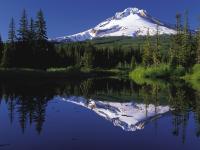
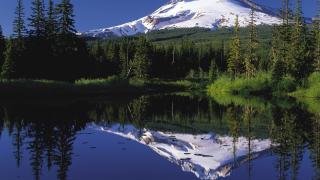
Oregon’s Cascade Range elevations exceed 10,000 feet. Thin air reduces oxygen availability significantly. Acclimatize gradually to prevent altitude sickness. Spend one night at intermediate elevations before ascending higher. This gradual approach allows your body to adjust effectively. High-altitude air is extremely dry and dehydrating. Physical exertion accelerates fluid loss rapidly. Drink water frequently, even without thirst. Aim for consistent hydration throughout your hike. Mountain weather shifts unpredictably in Oregon. Sudden cold snaps and heavy rain occur often. Dress in moisture-wicking layers to manage temperature. Remove layers before sweating to avoid chilling. Monitor weather forecasts closely before ascending. Check conditions for specific peaks like Mount Hood. Avoid high trails during severe storm warnings. Lightning poses a serious threat at elevation. Seek lower ground if storms approach. Carry emergency supplies for unexpected delays. First aid kits should include altitude medication. Recognize symptoms like headache and nausea early. Descend immediately if symptoms worsen. Proper preparation ensures safe enjoyment of Oregon’s high country.
Wildfire Smoke and Air Quality
Oregon faces severe seasonal wildfire smoke hazards. Air quality deteriorates rapidly during summer months. Check real-time Air Quality Index (AQI) levels before any outdoor activities. Monitor local forecasts for smoke advisories. Limit strenuous exercise when air quality is poor. High exertion increases respiratory intake of pollutants. Carry prescribed respiratory medications at all times. Consider wearing N95 masks for sensitive individuals. Standard cloth masks offer insufficient protection against fine particles. Be aware of local fire alerts issued by authorities. Know your designated evacuation routes in advance. Smoke can disorient drivers and reduce visibility significantly. Seal windows and doors to keep smoke out indoors. Use air purifiers with HEPA filters if available. Stay indoors during peak smoke hours. Hydrate frequently to support respiratory health. Consult healthcare providers for specific medical advice. Oregon’s dry climate exacerbates fire risks annually. Prepare emergency kits with essential health supplies. Follow official guidance from Oregon Health Authority sources.
Emergency Preparedness and Medical Access
Rural Oregon presents significant logistical challenges for medical access. Many counties lack immediate hospital proximity. Verify your health insurance covers out-of-network rural care. Standard plans often exclude remote treatment costs. Consider purchasing travel medical evacuation insurance for remote areas. This coverage ensures transport to adequate facilities. Carry a comprehensive first aid kit at all times. Include necessary prescription medications for the entire trip duration. Research locations of nearest urgent care centers before departure. Identify hospitals in larger towns like Bend or Medford. Carry physical maps for navigation in dead zones. Cellular service fails frequently in deep valleys. Power banks are essential for maintaining device functionality. Keep devices charged before entering remote wilderness. Prepare for delayed emergency response times. Rural EMS arrival can take hours. Inform others of your itinerary and expected return. This protocol aids search and rescue efforts. Prioritize self-sufficiency in medical emergencies. Do not rely on immediate professional help. Pack extra water and high-energy snacks. These support basic health during transport delays. Stay informed about local emergency alerts. Monitor weather conditions affecting road accessibility. Plan routes around known medical facility locations. This strategy minimizes risk during unexpected incidents.