



Oregon’s Diverse Terrain
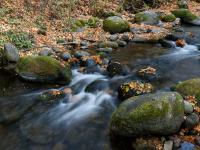
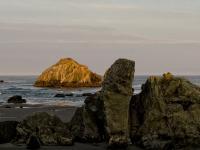
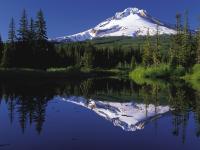
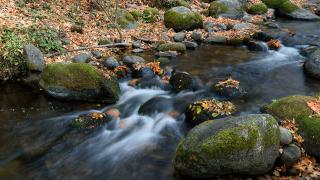
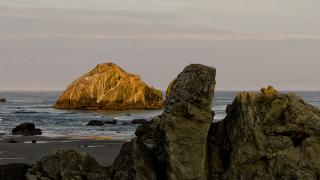
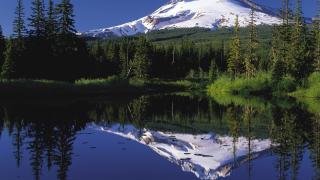
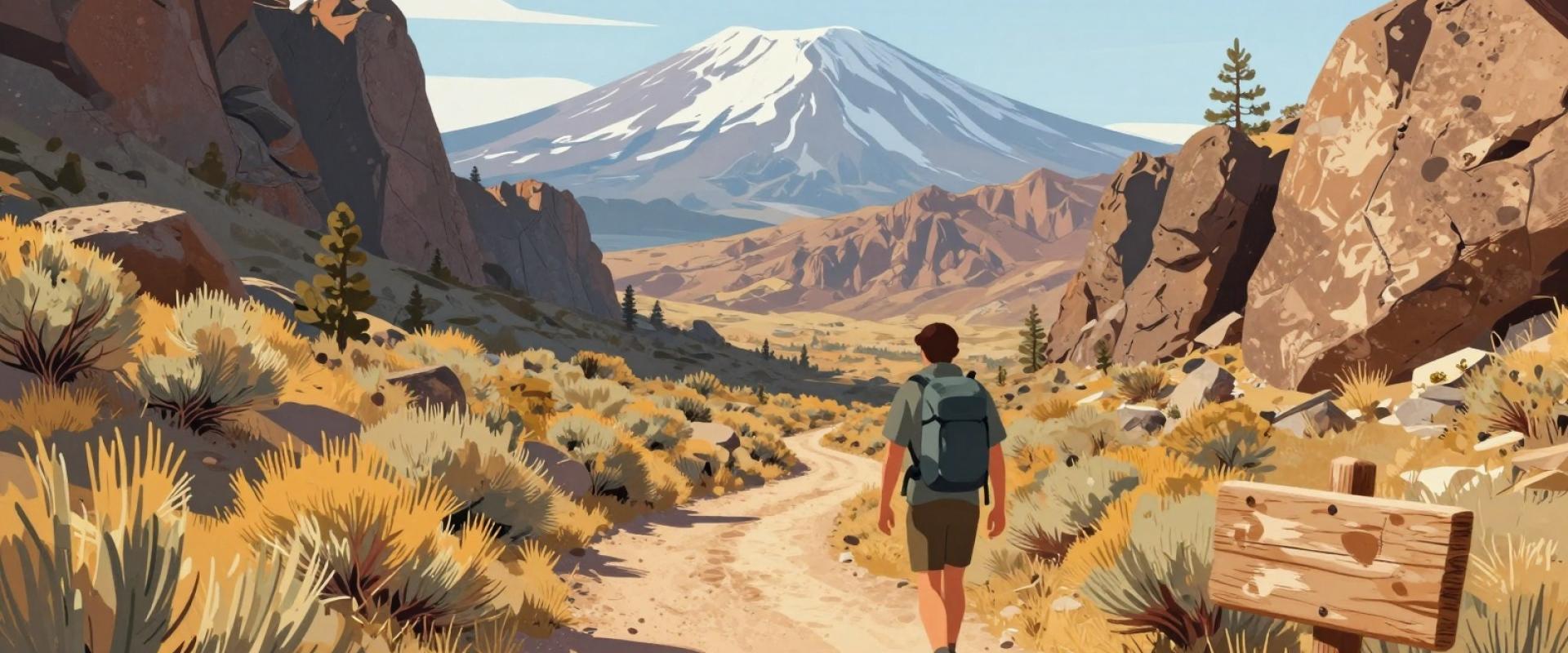
Oregon features three distinct hiking regions. The Coast Range offers dense forests and wet trails. Rainfall is frequent year-round. Hikers need waterproof gear and sturdy boots. The Cascade Range presents high elevation peaks. Snow lingers into summer on northern trails. Oxygen levels drop significantly above 8,000 feet. Proper acclimatization prevents altitude sickness. The High Desert is arid and exposed. Temperatures swing drastically between day and night. Water sources are scarce and unreliable. Backpackers must carry ample water supplies. Trail selection must match physical fitness. Overestimating ability leads to dangerous situations. Always assess personal limits before starting. Environmental conditions change rapidly in all zones. Preparation ensures safety across diverse landscapes.
Permits and Regulations
Most Oregon wilderness areas require advance permits. The Cascade Range has strict quotas. You must reserve spots early via Recreation.gov. The U.S. Forest Service manages most national forest lands. They enforce specific camping zones and fire bans. The Bureau of Land Control oversees vast public lands. Their rules are generally less restrictive than forests. Oregon State Parks require separate day-use or camping fees. Always check current regulations before your trip. Fire restrictions vary by county and season. Dry conditions often trigger total fire bans. You must use established fire rings only. Leave No Trace principles are mandatory. Pack out all trash and waste. Stay on designated trails to protect fragile ecosystems. Violations result in significant fines. Plan your route carefully to comply with all local laws. Research specific area rules for each destination you visit.
Seasonal Accessibility
Prime hiking season runs June through September. Snow lingers in the Cascades until July. Spring trails remain muddy and hazardous. Summer brings extreme heat to the High Desert. Wildfire smoke frequently reduces visibility statewide. Autumn storms arrive early in the Coast Range. Trails become slippery and dangerous by October. The High Desert offers mild spring conditions. Coastal hikes require rain gear year-round. Elevation changes demand careful physical assessment. Hikers must check current trail reports. Weather shifts rapidly in mountainous regions. Carry extra water during summer months. Avoid high-elevation routes in early spring. Plan trips around fire danger levels. Respect seasonal closures for wildlife protection. Always verify permit availability before departure.
Carry offline maps and a physical compass. Cell service fails in Oregon’s rugged wilderness. Assess your fitness before tackling steep slopes. Table Mountain features sharp drop-offs and deep holes. Spring snow lingers in high elevations. River crossings become dangerous after rain. Carry a satellite communicator for emergencies. Wildlife encounters require maintaining safe distances. Bears inhabit dense forest areas. Check current trail conditions daily. Weather shifts rapidly in the Cascades. Pack extra layers for temperature drops. Know your limits on every hike. Inform someone of your planned route. Carry sufficient water for the entire trip. First aid kits are essential gear. Stay on marked trails to avoid hazards. Report unsafe conditions to local authorities immediately.
Gear and Preparation
Oregon’s varied terrain demands adaptable gear. Coastal trails require waterproof boots and rain jackets. Cascade high-elevation hikes need insulated layers for sudden snow. Pack lightweight shelter to handle rapid weather shifts. Bear canisters are mandatory in many wilderness zones. Store food securely to prevent wildlife encounters. Hydration is critical during High Desert summers. Carry at least four liters of water capacity. Nutrition should focus on high-calorie, lightweight options. Emergency supplies must include a first-aid kit and fire starter. Assess your fitness against steep, rocky slopes. Table Mountain features sharp drop-offs requiring caution. Choose trails matching your current skill level. Avoid overestimating abilities in rugged, unfamiliar areas. Plan routes based on realistic daily mileage. Carry offline maps as cell service fails. Physical preparation reduces risk on challenging ascents. Prioritize safety over speed in all conditions.