Oregon's Distinctive Lodging Landscape
Oregon offers diverse lodging options across distinct ecoregions. Properties range from historic sites to luxury retreats. A 1936 Catholic schoolhouse in Bend serves as a unique stay. A working vineyard features a unique grain silo accommodation. These structures highlight the region's architectural diversity. The state organizes stays by specific trip types. Options include hidden gems, luxury escapes, and solo retreats. Travelers can also find adventure basecamps and pet-friendly options. Many properties are eco-friendly and sustainable. The state is divided into three main regions. Coastal stays line the western edge. The Willamette Valley runs north to south. Eastern Oregon offers outposts in the high desert. The Wallowa Mountains provide additional remote options. This variety ensures a unique experience for every visitor. The landscape defines the character of each stay. Oregon's lodging reflects its natural and cultural history.
Regional Variations and Ecosystems
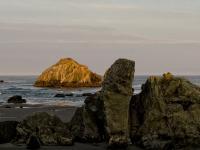
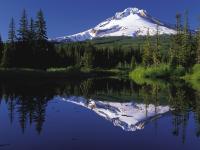
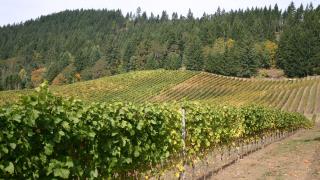
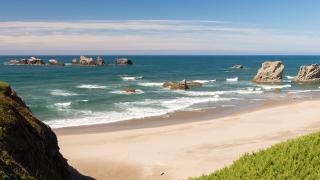
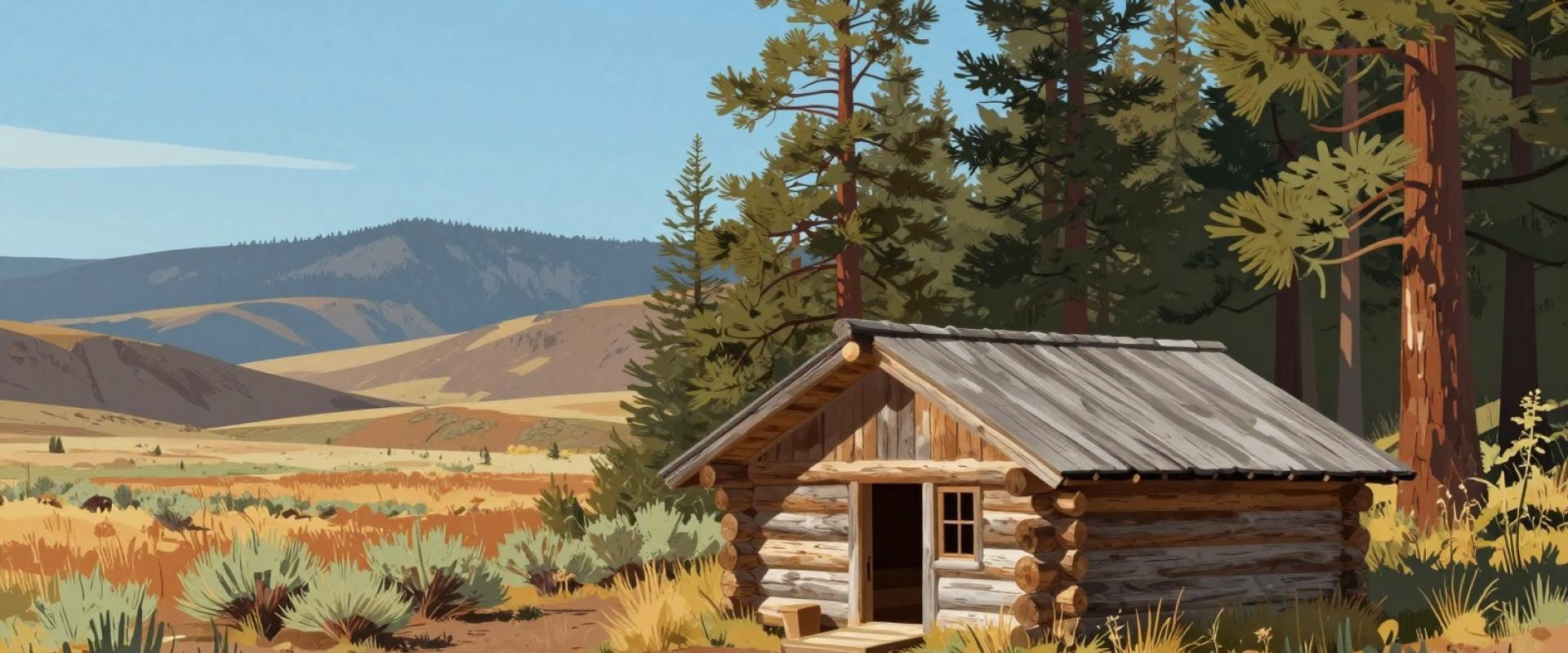
Oregon’s lodging options reflect its distinct geographic regions. Coastal properties address dampness with specific design features. These structures often prioritize moisture resistance and ventilation. High desert cabins in Eastern Oregon handle dry heat. Builders use materials that withstand significant temperature fluctuations. Forested areas in the Cascades offer dense tree cover. Lodges here align with hiking and skiing opportunities. The Willamette Valley provides vineyard stays for wine tourism. Properties range from historic schoolhouses to modern retreats. Each region dictates the architectural style and amenities. Coastal guests seek views of the Pacific Ocean. Desert visitors prioritize shade and cooling systems. Forest travelers look for proximity to trailheads. Accommodations adapt to local climate challenges directly. This regional variation ensures comfort across diverse ecosystems. Travelers select lodging based on specific environmental needs. The choice impacts the overall recreational experience significantly. Unique stays include fire lookouts and vintage trailers. These options cater to adventure seekers and luxury guests alike. Geographic location remains the primary factor in lodging selection.
Amenities and Infrastructure Realities
Oregon’s rural lodges differ significantly from standard hotels. Properties range from historic schoolhouses to remote fire lookouts. Guests must verify specific infrastructure before booking. Many unique stays lack modern conveniences. Self-catering facilities are essential in remote areas. Some locations offer only basic kitchenettes. Internet connectivity is often unreliable or absent. Cell service frequently drops in high desert regions. Standard plumbing may be limited in older structures. Vintage trailers and silos often share communal bathrooms. Travelers should prepare for offline conditions. Download maps and guides before arrival. Expect limited electricity in off-grid eco-lodges. Pack flashlights and battery-powered lanterns. Verify heating options for cold Cascades winters. Wood stoves may require separate firewood purchases. Check specific amenity lists for each property. Not all historic sites offer full kitchens. Some locations require self-check-in procedures. Plan meals around available cooking facilities. Bring extra batteries for electronic devices. Prepare for limited connectivity in remote areas. Verify accessibility features if mobility is a concern. Always confirm current infrastructure status directly with hosts. Oregon’s diverse terrain requires flexible travel planning. Rural stays demand self-sufficiency and preparation. Verify specific amenities before finalizing bookings. Ensure all guests understand the rural setting. Verify infrastructure details before finalizing travel plans. Oregon’s unique landscape requires careful preparation. Always check specific lodge amenities before arrival. Plan for limited connectivity in remote areas.
Booking Strategies and Seasonal Availability
Oregon’s diverse regions require strategic booking. High demand peaks in summer and winter. Coastal, high-elevation, and desert areas vary significantly. Advance booking is essential for remote properties. Unique stays, like the historic schoolhouse in Bend, fill quickly. The 21 unique properties listed in guides are popular. Book early to secure specific locations. Shoulder seasons offer better rates and availability. However, demand remains high in popular regions. Understand strict cancellation policies before committing. Deposits are often non-refundable. Plan travel dates well in advance. This is critical for high-elevation and coastal stays. Weather can impact accessibility in winter. Verify specific infrastructure needs early. Remote locations may have limited connectivity. Ensure your booking includes all necessary amenities. Do not assume standard hotel services are available. Always confirm check-in procedures directly. Oregon’s unique landscape requires careful planning. Secure your lodging early to ensure availability. This approach minimizes stress and ensures a smooth stay. Prioritize flexibility in your travel dates if possible. This allows for adjustments if plans change. Always review the specific property’s cancellation policy. Some properties may offer flexible options during off-peak times. Always verify the specific terms before booking.
Oregon’s remote lodges require careful vehicle preparation. Many access roads are unpaved or steep. Four-wheel drive is often essential for safe travel. Verify road conditions before departure. Cellular service is unreliable in many regions. Download offline maps prior to arrival. Carry a physical map as a backup. Weather changes rapidly in the Cascades and high desert. Snow can close mountain passes unexpectedly. Check local forecasts for current road status. Plan for potential delays due to closures. Emergency supplies are critical for isolated stays. Pack extra food, water, and warm clothing. Fuel up in towns before heading out. Gas stations are sparse in remote areas. Inform someone of your travel itinerary. Share your expected return time. Limited services mean self-reliance is necessary. Bring necessary medications and first aid kits. Satellite communicators provide safety in dead zones. Prepare for variable terrain and weather. Ensure your vehicle is in good condition. Remote cabins lack immediate professional help. Thorough planning ensures a safe experience. Oregon’s rugged landscape demands respect and preparation.