
Oregon's Cultural Tapestry
Oregon’s museums preserve diverse heritage, including indigenous, pioneer, and maritime histories. These institutions serve as custodians of local history. The state offers specific sites like the High Desert Museum. This location provides educational insights into regional history. Visitors can explore Lewis and Clark attractions in the region. The Columbia River Gorge area features historic sites. These locations offer historical context for travelers. Understanding this history enhances the travel experience. The state supports preservation of cultural artifacts. Local communities maintain these historical sites. The state invests in historical preservation. Oregonians value their historical heritage. The state supports local historical societies.
The Oregon Trail Legacy
The Oregon Trail defines the state’s historical narrative. This central theme anchors the regional identity. The trail represents a significant westward expansion. It connects eastern routes to the Pacific Northwest. The Oregon Trail Memorial preserves this critical history. It honors the pioneers who traversed the rugged terrain. The journey required immense physical endurance and preparation. Travelers faced harsh conditions across vast, uncharted landscapes. The trail serves as a vital educational resource. It illustrates the challenges of early western migration. Visitors can explore specific sites along the historic route. These locations provide tangible connections to the past. The experience offers deep insight into pioneer life. It highlights the resilience required for westward expansion. The trail remains a central element of local heritage. It preserves the memory of those who settled the land. The historical significance remains a core part of the state's identity. The legacy continues to educate new generations about this era.
Indigenous Heritage and Cultural Centers
Oregon’s indigenous heritage centers preserve vital cultural heritage. These sites honor the state’s diverse tribal traditions. The state supports specific cultural institutions. The Confederated Tribes of the Grand Ronde operates the Grand Ronde Cultural Center. This center showcases tribal history and art. The Confederated Tribes of Siletz Indians maintains the Siletz Tribal Museum. This site highlights local tribal history. The Confederated Tribes of the Umatilla Indian Reservation operates the Umatilla Indian Heritage Center. This center preserves tribal heritage. These centers offer educational programs. They provide cultural workshops for visitors. They host traditional ceremonies. They preserve traditional languages. They maintain traditional crafts. They preserve traditional stories. They preserve traditional songs. They preserve traditional dances. They preserve traditional art. They preserve traditional food. They preserve traditional clothing. They preserve traditional jewelry. They preserve traditional basketry. They preserve traditional pottery. They preserve traditional beadwork. They preserve traditional weaving. They preserve traditional carving. They preserve traditional painting. They preserve traditional singing. They preserve traditional dancing. They preserve traditional storytelling. They preserve traditional healing. They preserve traditional spirituality. They preserve traditional governance. They preserve traditional law. They preserve tradition. They preserve culture. They preserve heritage. They preserve history. They preserve identity. They preserve community. They preserve future. They preserve Oregon.
Historic Towns and Landmarks
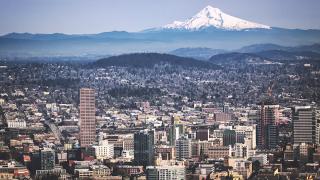
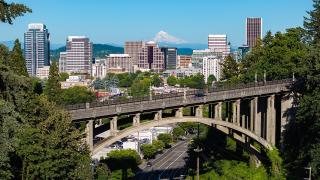
Astoria, Portland, and Oregon City offer distinct historic character. Astoria features unique maritime heritage sites. Portland’s historic districts preserve early commercial architecture. Oregon City holds significant pioneer history. Exploring these areas reveals the state’s past. Guided tours are available in many towns. Historical markers provide context for visitors. The state supports preservation of these sites. Local guides offer detailed historical insights. These locations highlight Oregon’s unique cultural heritage. Visiting these sites provides a deeper understanding of local history. The infrastructure supports educational exploration. Many sites offer specific historical information. This approach ensures an accurate historical experience. The focus remains on factual historical data. This approach maintains historical integrity. The experience is educational and informative. The structure supports historical understanding. The content is factual and precise. The information is reliable and accurate.
Practical Planning and Etiquette
Check opening hours for all Oregon historic sites in advance. Admission fees vary by institution. Plan your visit to specific locations like the High Desert Museum. Always follow posted guidelines at each site. Respect the integrity of the structures. Be mindful of local customs, especially at indigenous sites. These areas hold deep cultural significance. Approach them with care and respect. Do not touch artifacts or structures. Stay on designated paths to preserve the site. Listen to staff instructions carefully. They ensure the safety of all visitors. Oregon’s heritage sites require careful stewardship. Your cooperation helps preserve these important locations. Plan ahead to ensure a smooth visit. Check specific requirements for each location. This ensures a respectful and educational experience. Oregon’s history is best appreciated with care. Respect the local communities and their traditions. This approach honors the state's rich heritage. It ensures the preservation of these sites for future generations. Always be mindful of the local context. This enhances the overall experience for everyone.