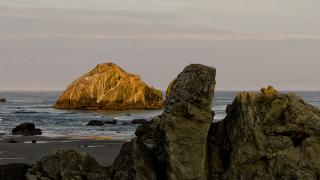
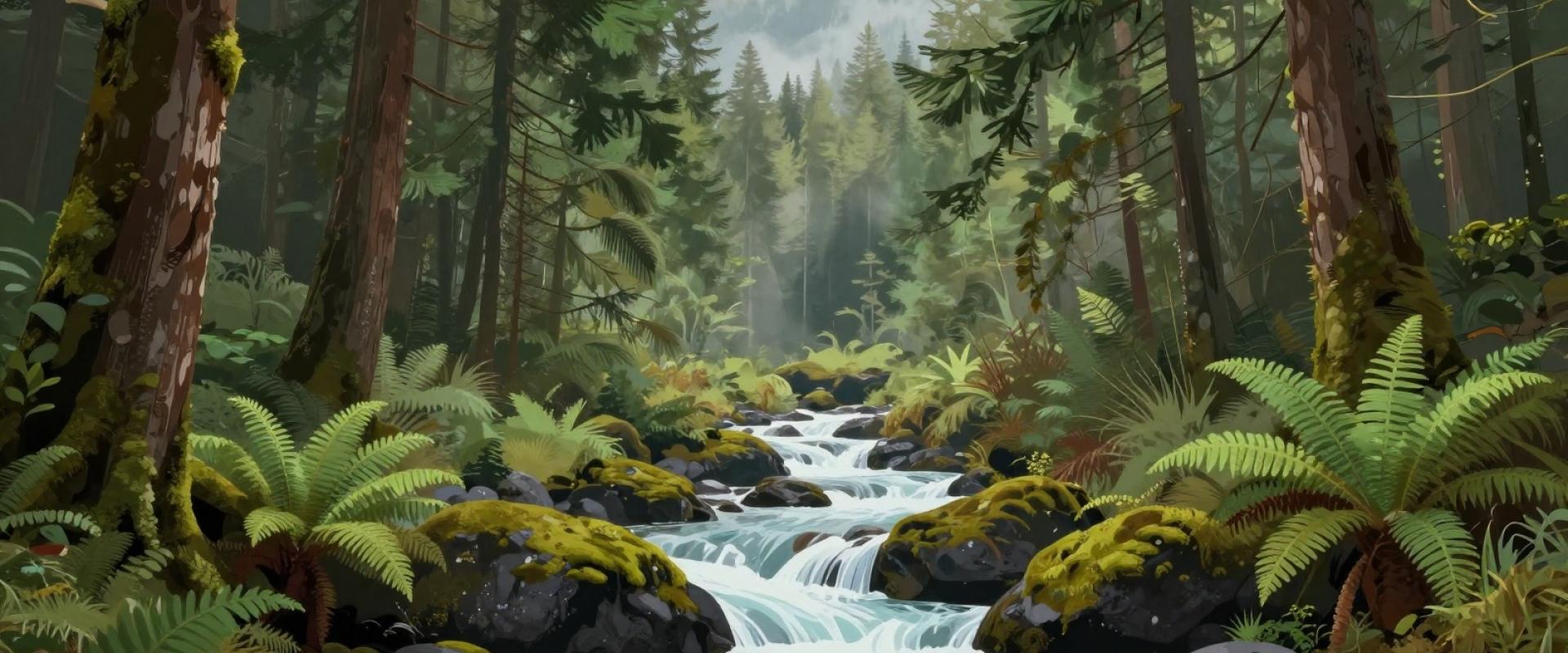
The optimal travel window for Oregon is June through September. This period offers the most reliable weather for exploring diverse landscapes. Peak season occurs in July and August. You must book accommodations and rentals well in advance during these months. Demand is high for popular destinations like Crater Lake National Park. The park features the deepest lake in the U.S. at 1,943 feet. Shoulder seasons from May to October provide unique views. However, weather conditions remain variable during these times. Travelers should check current road and trail conditions before departure. Oregon’s terrain includes coastal waves and volcanic rims. A mid-range budget requires approximately $100 to $150 per day. This covers lodging, food, and transportation costs. A car is essential for navigating the state’s regions. Plan a long weekend per region or a full week to link areas. Winter months are ideal for skiing in the Cascades. Always verify specific attraction hours and access restrictions. The Columbia River Gorge waterfalls may be less accessible in early spring. Prepare for rapid weather changes in the High Desert near Bend. Reliable planning ensures a safe and enjoyable trip across the state.
Budgeting for the Pacific Northwest
Plan for a daily budget of $100 to $150 per person. This mid-range estimate covers essential travel expenses in Oregon. Accommodation costs rise significantly in urban and coastal hubs. Portland and coastal towns demand higher rates during peak season. You must account for fuel costs due to the state’s geography. Oregon’s attractions are spread out across diverse terrains. Driving between the Coast, Cascades, and Crater Lake requires substantial mileage. Gas prices fluctuate, so monitor local station rates. A car is essential for accessing remote areas like the High Desert. Public transit options remain limited outside major cities. Book lodging early for June through September visits. This period offers the most reliable weather for exploration. Mid-range travel costs approximately $100–150 per day. This figure assumes moderate spending on food and activities. Prioritize fuel reserves when planning long drives. The Columbia River Gorge and Mount Hood require extra driving time. Check current conditions before departure due to varied terrain. Coastal waves and volcanic rims present unique travel challenges. Plan your itinerary around these logistical realities. A full week allows you to link two regions effectively. Shorter trips may limit your geographic scope. Budget accordingly for the distance between destinations.
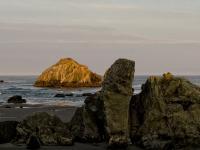
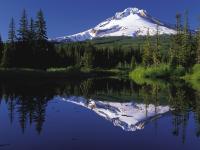
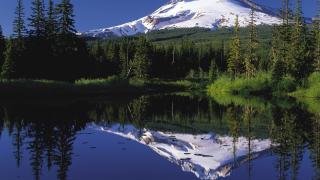
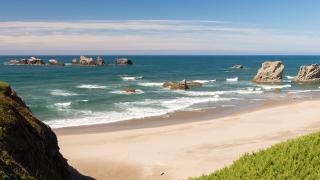
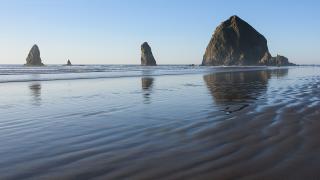
Oregon’s geography shifts rapidly from coast to alpine zones. You must adapt your preparation for these distinct environments. The state features 363 miles of Pacific coastline. Temperate rainforests and volcanic rims define much of the interior. Glaciated Mount Hood and the High Desert offer contrasting conditions. Crater Lake sits at a high elevation, demanding specific gear. Weather changes quickly in these high-altitude areas. Always check current trail conditions before departure. Coastal waves and mountain storms require flexible planning. A car is essential for accessing remote regions. Plan a long weekend per region for adequate exploration. Link two regions together for a full week itinerary. May through October provides the best access for most areas. Winter conditions restrict travel to lower elevations and ski resorts. Verify road closures in the Cascades during shoulder seasons. Pack layers to handle sudden temperature drops. Sun protection is critical near Crater Lake’s 1,943-foot depth. Hydration needs increase significantly in the High Desert. Respect trail closures to protect fragile ecosystems. Carry emergency supplies for all terrain types. Local visitor centers provide real-time updates on accessibility. Prioritize safety over speed when navigating steep descents. Oregon’s diversity rewards thorough preparation and caution.
Strategic Route Planning
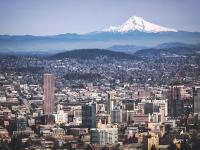
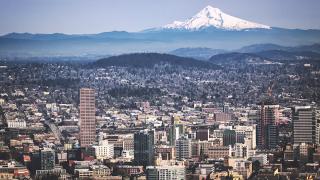
Design a logical loop to minimize backtracking across Oregon’s diverse terrain. Start in Portland, then head east toward Mount Hood. This glaciated peak offers distinct alpine conditions. Continue south to Crater Lake National Park. This site holds the deepest lake in the U.S. at 1,943 feet. The intensely blue water requires specific viewing times. Plan for a full week to cover these regions effectively. Linking regions requires extra travel time. Use a vehicle for flexibility. The state’s 363-mile coast demands separate attention. Do not rush the Pacific shoreline. Factor in rest stops along the way. Scenic overlooks provide necessary breaks. Check current road conditions before departure. Winter conditions may close high-elevation routes. The Columbia River Gorge features numerous waterfalls. These stops fit naturally between coastal and mountain routes. Avoid generic itineraries. Focus on efficient geographic flow. Mid-range costs apply to all segments. Budget $100 to $150 daily. This covers lodging and fuel. Ensure your schedule allows for weather delays. Oregon’s dramatic landscapes change rapidly. Strategic planning prevents wasted time. Prioritize key destinations like Bend’s High Desert. This area offers unique volcanic scenery. Balance driving time with exploration. Short, clear sentences aid navigation. Keep the itinerary flexible. Adapt to seasonal closures. This approach ensures a complete experience.
Essential Logistics and Safety
International travelers must verify specific visa requirements before entering Oregon. The U.S. government mandates these documents for entry. Ensure your vehicle is fully ready for remote travel. High-altitude routes near Mount Hood require proper equipment. Check current travel advisories for all regions. Coastal waves and volcanic rims pose unique hazards. Crater Lake National Park demands specific seasonal checks. Plan for mid-range costs of $100 to $150 daily. This budget covers essential travel expenses in Oregon. Adhere strictly to Leave No Trace principles. Protect the diverse landscapes from coast to high desert. Local regulations may restrict certain camping areas. Always check local rules before setting up camp. Consider purchasing comprehensive travel insurance for peace of mind. This coverage protects against unexpected medical or trip interruptions. Oregon’s terrain varies significantly across the state. Prepare for rapid weather changes in all regions. A vehicle is essential for accessing remote areas. Plan at least one week for a full tour. Link two regions together for a longer trip. A long weekend suffices for single-region exploration. Verify road closures before departing for any destination. Winter conditions are ideal for skiing in the Cascades. May through October offers the best general travel window. Always prioritize safety over speed on narrow roads.