




Oregon Connectivity Landscape
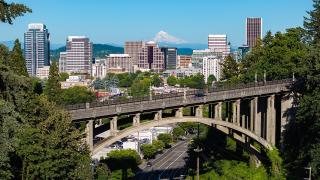
Internet infrastructure in Oregon varies significantly by region. Urban centers like Portland and Eugene offer robust fiber-optic connectivity. These areas provide reliable high-speed access for remote work. You can typically rely on stable connections in these urban hubs. Rural areas present a different challenge. Internet connectivity in rural zones is often inconsistent. Providers may lack the infrastructure for high-speed service. This creates risks for remote workers relying on stable connections. Verifying specific address connectivity is essential before traveling. Do not assume standard coverage in rural locations. Check with local providers for available options. Backup mobile hotspots are critical for remote work. They provide a necessary safety net for connectivity. Use mobile hotspots to ensure continuous access. This strategy mitigates the risk of internet outages. Always verify connectivity options before committing to a location. Rural areas may lack reliable infrastructure. Urban centers generally offer more reliable service. Plan your workspace based on verified connectivity. Do not rely on general assumptions about coverage. Verify specific address connectivity for each location. This ensures you have a reliable work environment. Backup internet access is essential for productivity. Always have a secondary connection plan. This protects your work from interruptions. Oregon’s diverse geography requires careful planning. Rural areas may have limited options. Urban centers offer more reliable infrastructure. Always verify connectivity before traveling. This ensures a productive work experience. Plan ahead to avoid connectivity issues. Verify options for each specific location. This approach ensures reliable work conditions. Always check local provider availability. This is crucial for remote work success. Oregon’s terrain affects connectivity significantly. Rural areas often lack reliable infrastructure. Urban centers generally provide better service.
Co-Working and Workspace Options
Major Oregon cities offer diverse professional workspace solutions. Portland hosts numerous established co-working facilities. These spaces provide reliable internet and ergonomic support. Employees working remotely twenty hours weekly may qualify for ergonomic equipment. Eugene and Bend also feature growing co-working networks. Many locations offer flexible day passes for visitors. Private offices suit those needing quiet, focused environments. Amenities typically include meeting rooms and printing services. Always verify operating hours before visiting. Some spaces close on weekends or holidays. Public libraries serve as excellent alternative workspaces. The Multnomah County Library system provides free Wi-Fi. Quiet zones are available in most branches. Community centers in smaller towns offer desk rentals. These options often cost less than commercial spaces. Check local schedules for room availability. Cafes and coffee shops support casual remote work. Portland’s robust coffee culture provides ample seating. Ensure your device battery lasts for the duration. Carry a portable charger for extended sessions. Noise levels vary significantly between locations. Use noise-canceling headphones in busy environments. Verify power outlet availability near your seat. Some establishments require minimum purchases for seating. Respect staff policies regarding laptop usage. Plan your workspace strategy around connectivity needs. Fiber-optic availability is highest in urban areas. Rural regions may require mobile hotspot backups. Test your connection speed before committing to a spot. Flexible arrangements allow for changing work requirements. Review membership terms for cancellation policies. Short-term rentals offer trial periods for new spaces. Evaluate the community vibe before joining. Professional networking opportunities exist in shared offices. Attend local events hosted by workspace providers. These events facilitate professional connections in Oregon.
Legal and Tax Considerations
Oregon imposes high state income taxes on residents. Remote workers must determine residency status carefully. Physical presence triggers tax obligations in many cases. You may owe taxes in multiple jurisdictions. Short-term rental permits are required in urban areas. Cities like Portland enforce strict zoning laws. Unpermitted rentals face significant financial penalties. Business licenses may be necessary for independent contractors. Check local city and county regulations specifically. General guidance suggests consulting a tax professional. They can clarify complex residency triggers accurately. The HR guidance notes ergonomic support for 20+ hour weeks. This applies to employees, not necessarily freelancers. Workspace security and timekeeping remain critical responsibilities. Maintain clear records of your work hours. Oregon law requires specific ergonomic assessments for eligible staff. Ensure your home office meets these standards. Failure to comply can result in legal issues. Tax residency depends on domicile and physical presence. Short-term rental rules vary by municipality. Verify permit requirements before listing your property. Business license needs depend on your business structure. Consult experts for your specific situation. Avoid assumptions about general remote work laws. Oregon regulations are specific and enforceable. Stay compliant to avoid penalties. Professional advice is essential for complex cases.
Visa and Immigration Status
Oregon does not issue specific visas for remote workers. International workers must rely on federal U.S. immigration categories. The B-1/B-2 visitor visa is strictly limited. It permits business meetings and tourism only. It explicitly prohibits remote work for U.S. entities. Working for a foreign employer while in Oregon is also restricted. Border officials scrutinize such activities closely. You must explain your activities clearly upon entry. Misrepresentation can lead to immediate deportation. Longer stays require alternative visa classifications. The L-1 visa suits intracompany transferees. The O-1 visa targets individuals with extraordinary ability. The TN visa applies to certain Canadian and Mexican citizens. These options allow legal employment in Oregon. Consult an immigration attorney for specific advice. Oregon state laws do not override federal rules. Compliance with federal statutes is mandatory. Remote work in Oregon requires proper status. Plan your visa strategy well in advance. Avoid relying on tourist visas for work.
Productivity and Lifestyle Balance
Oregon’s natural environment presents unique distractions for remote workers. The state’s dense forests and coastal access often compete for attention. Employees working twenty hours weekly qualify for ergonomic support. This policy helps maintain physical health during long workdays. Establishing a consistent daily routine is essential for success. You must define clear start and end times for work. Oregon’s variable weather requires flexible indoor workspace planning. Rainy seasons in the Willamette Valley limit outdoor breaks. Schedule nature walks during designated lunch hours only. This strategy prevents work hours from bleeding into leisure time. Communicate availability clearly with employers across different time zones. Oregon operates in the Pacific Time Zone. This creates a four-hour overlap with East Coast business hours. Use this window for critical meetings and collaboration. Set status indicators to signal focus periods to colleagues. Leverage local parks for short, timed breaks. A twenty-minute walk in Portland’s Forest Park resets mental fatigue. Avoid bringing work devices into natural settings. This boundary preserves the restorative value of nature. Oregon’s high cost of living demands efficient work habits. Wasted time directly impacts financial stability in expensive cities. Prioritize deep work sessions during peak energy hours. Oregon’s progressive labor laws protect worker rest periods. Utilize these regulations to enforce digital disconnects. Clear boundaries ensure sustainable productivity in the Pacific Northwest.