






Oregon’s labor market relies on seasonal cycles. Agricultural and tourism sectors drive hiring. The state’s diverse geography creates distinct regional hiring windows. Coastal areas hire in summer. High desert regions hire in late spring. Understanding the timing is critical. You must know when to look. The 'when' matters as much as the 'where'. Adventure guide roles offer monthly pay. These positions often require weekend availability. Vessel operation may be a specific duty. This structure supports the local economy. It connects workers with temporary needs. Precision in timing ensures employment stability. The landscape dictates the hiring rhythm. Workers must align their schedules accordingly. This approach ensures balanced labor distribution across the state's varied regions.
The Harvest: Agricultural and Forestry Roles
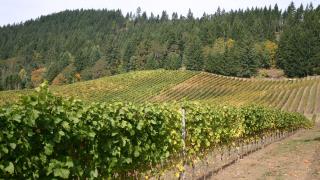
Willamette Valley farms hire for specific crop cycles. Harvest timing depends on weather and crop maturity. Workers must adapt to these variable schedules. Eastern Oregon offers forestry roles in remote areas. These positions require significant physical endurance. Workers often travel long distances to remote sites. Visa eligibility is critical for international applicants. Some roles restrict hiring to citizens or residents. Verify specific visa requirements before applying. Agricultural work demands physical stamina. Forestry roles involve heavy labor in isolated areas. Both sectors require strict adherence to safety protocols. Oregon’s diverse geography creates distinct regional hiring windows. Coastal areas focus on summer harvests. Inland regions may offer different seasonal opportunities. Always verify local labor laws and visa status. Oregon’s agricultural sector relies on this seasonal workforce. Ensure all documentation is current and valid. This structure supports the state’s agricultural output. It ensures a reliable labor supply for harvests. Oregon’s economy depends on this seasonal workforce stability.
Hospitality and the Coast: Service Sector Dynamics
Oregon’s coastal regions experience a significant surge in hospitality demand during the summer. This seasonal spike creates high competition for service roles. High-elevation areas, such as Mount Hood, offer a different dynamic. Winter sports roles surge in demand during colder months. These positions often require prior experience in the hospitality sector. The competitive nature of these roles is intense. Candidates must demonstrate specific service skills to secure employment. The seasonal nature of the work requires adaptability. Workers must be prepared for variable schedules. The demand is strictly tied to seasonal tourism peaks. This creates a cyclical hiring pattern across the state. Stability is often limited to the peak season only. Workers must plan their finances around these fluctuations. The competitive landscape ensures that only qualified candidates are selected. This standard maintains high service quality in the region. It is a key feature of the local labor market.
Legal Compliance and Visa Considerations
International workers must secure appropriate work visas, such as the J-1 visa. This process requires specific documentation and employer support. Oregon state law mandates strict compliance with labor standards. Employers must adhere to state minimum wage regulations. These laws protect all seasonal workers within the state. Workplace safety regulations are also strictly enforced. Employers must provide safe working conditions for all staff. Non-compliance can result in significant legal penalties. Workers should verify their visa status regularly. It is crucial to maintain valid work authorization. Oregon’s legal framework is designed to protect workers. Understanding these laws is essential for compliance. Always consult legal experts for specific visa questions. Staying informed ensures continued legal employment. This approach protects both the worker and the employer. It ensures a stable and legal work environment. Always stay updated on any changes in immigration law. This is critical for maintaining legal status in Oregon.
Housing, Logistics, and Safety Protocols
Housing is scarce in Oregon’s popular tourist destinations. Advance planning is essential for securing accommodation. Employers may offer on-site housing or stipends. Verify this arrangement directly with the employer. Do not assume coverage is automatic. Consider the proximity of housing to the worksite. Short commutes reduce transportation costs and time. Evaluate transportation options carefully. Public transit may be limited in rural areas. The overall cost of living varies by region. High demand in coastal areas drives up rental prices. Secure affordable housing early in the process. Verify lease terms and utility costs. Ensure the living environment is safe and stable. This stability supports consistent work performance. Address logistical challenges proactively to avoid disruption. Secure reliable transportation for daily commutes. Plan for potential weather-related travel delays. Prioritize safety and financial stability in housing decisions.