



Wildlife & Ecology
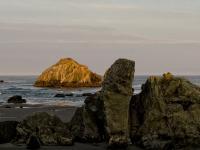
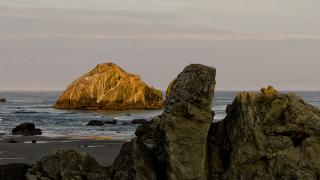
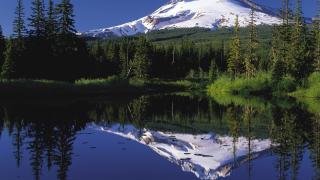
Oregon’s ecology spans coastal rainforests to high desert. This diversity supports unique wildlife. Mammals range from small American pikas to large elk. The seven local rabbit species adapt to these varied habitats. Viewers should observe ethical standards while watching. Use binoculars for safe, distant observation. Keep pets at home to protect native species. The Adventure Coast offers specific viewing opportunities. Here, land meets the Pacific Ocean. You can spot migrating whales and sea lions. Tide pools reveal additional marine life. Understanding these ecological boundaries is crucial. It helps explain specific animal behaviors. Recognizing habitat types ensures responsible observation. This approach respects the natural balance. Oregon’s unique environment requires careful attention. Always prioritize the safety of wildlife. Maintain a quiet distance during observation. This practice minimizes stress on animals. It ensures a sustainable viewing experience for all.
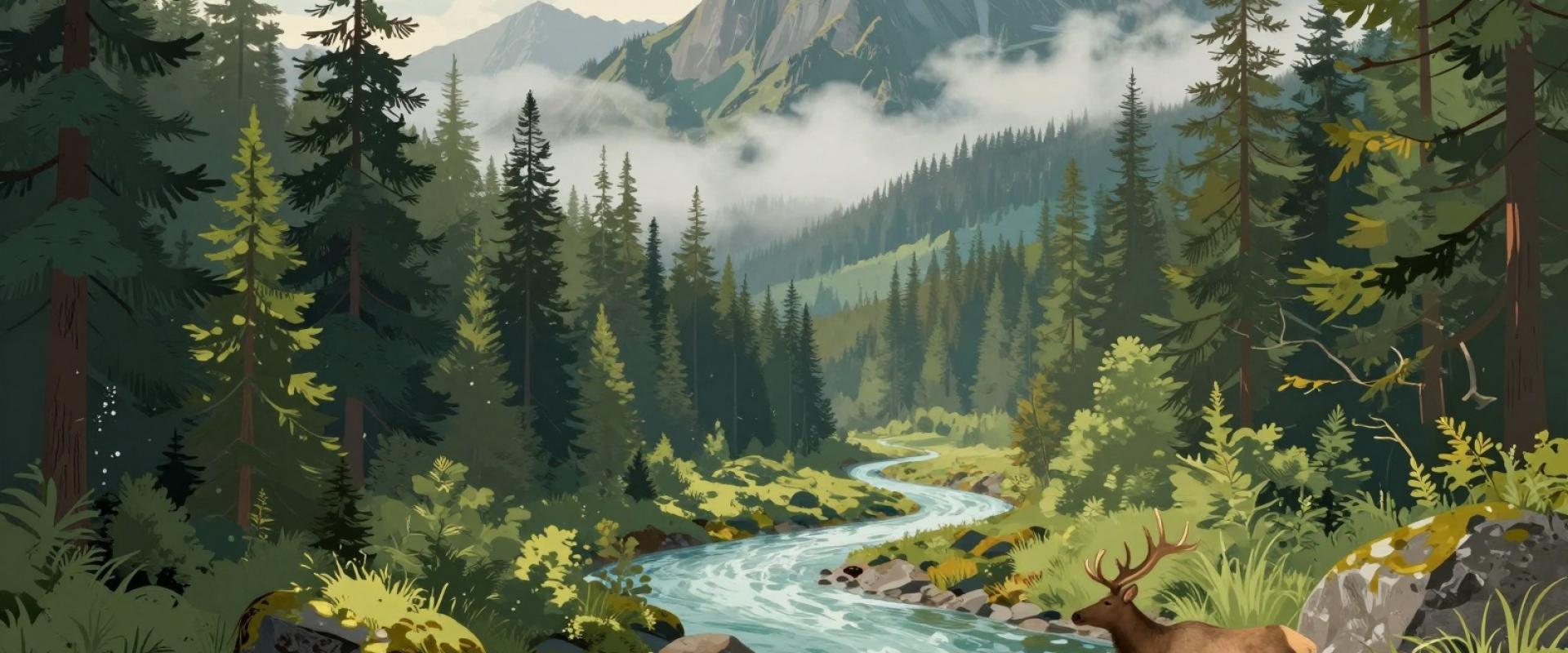
Western Oregon features dense forests. Black-tailed deer roam these areas frequently. The Oregon Department of Fish and Wildlife notes this region. Viewers often spot deer along roadsides. This is a common sight for travelers. The Cascade Range offers a different environment. Mountain beavers live in the western slopes. These animals are rarely seen by visitors. Their nocturnal habits make observation difficult. Yellow-brown marmots are more visible in this range. They are common throughout the state. Eastern Oregon presents a stark contrast. The landscape here is arid and high. Desert conditions dominate the eastern landscape. Species here are adapted to dry conditions. This diversity supports unique ecological balance. Regional differences are significant for viewers. Western forests differ greatly from high deserts. Wildlife viewing requires understanding these zones. The Oregon Adventure Coast offers coastal views. Seals and sea lions appear there. Tide pools reveal marine life details. The ecosystem connects land and ocean. Viewers can observe nature closely here. The environment supports diverse biological life. Oregon’s ecology is defined by these zones. Each area hosts specific wildlife types. Understanding these differences aids observation. The state provides varied habitats for all. Travelers should note these ecological distinctions. Oregon’s wildlife is diverse and distinct. The regions offer unique viewing opportunities. Each area has its own character. The state supports a wide range of species. Oregon’s ecology is complex and varied. The state offers many viewing options. Travelers can explore these diverse areas. The state provides many natural experiences. Oregon’s wildlife is a key attraction. The state is known for nature. Oregon’s ecology is a major draw. The state is a nature destination. Oregon’s wildlife is a key feature. The state is a nature hub. Oregon’s ecology is a key feature.
Ethical Observation Practices
Observe Oregon’s wildlife with quiet, non-intrusive methods. Use binoculars or telephoto lenses to maintain a safe distance. This approach minimizes stress for animals like black-tailed deer. Keep pets on a leash or leave them behind. Unleashed dogs disturb wildlife and disrupt natural behaviors. Adhere strictly to local regulations in all areas. Do not feed wild animals, as it alters natural habits. Review safety guidelines for bears and cougars before visiting. These measures protect both visitors and local species. Respecting boundaries ensures the preservation of Oregon’s unique ecology. Always prioritize the welfare of the animals you observe. This practice supports the long-term health of the ecosystem. Stay alert and move slowly to avoid startling creatures. Your careful observation helps maintain the balance of nature.
Identifying Key Species
Bald eagles dominate Oregon’s rivers and coasts. These iconic birds signal healthy ecosystems. Marbled murrelets nest in old-growth forests. This seabird requires ancient trees for survival. Gray wolves remain rare in eastern Oregon. Occasional sightings occur in remote areas. Understanding these species highlights ecological balance. Each animal plays a specific role. The bald eagle indicates water quality. The marbled murrelet depends on old trees. The gray wolf represents wild resilience. Recognizing these species aids conservation. It helps appreciate local biodiversity. Oregon’s unique ecology supports this diversity. Observing these animals requires patience. Use binoculars for safe viewing. Respect the distance between human and wild. This approach protects both species. Oregon’s wildlife reflects its diverse landscapes. From coast to high desert, life adapts. Understanding these connections is vital. It fosters appreciation for nature. It encourages responsible observation practices. Every species contributes to the whole. Protecting them ensures ecological balance. Oregon’s wildlife is a precious resource. It requires careful stewardship. Understanding it is the first step. Appreciating it deepens the connection. Protecting it secures the future. Oregon’s wildlife is a gift. It deserves our respect and care. Understanding it is essential for preservation. Appreciating it fosters a deeper connection. Protecting it ensures a sustainable future for all Oregon wildlife.
Practical Tips for Safe Observation
Maintain a safe distance from all wildlife. Use binoculars or telephoto lenses for viewing. This protects both you and the animals. Oregon’s terrain presents specific hazards. Steep slopes and sudden weather changes are common. Always check local forecasts before hiking. Be cautious around larger animals. Black bears and cougars inhabit many regions. Do not approach or feed these animals. Feeding wildlife disrupts natural behaviors. It also creates dangerous dependencies. Follow all local regulations strictly. These rules protect both visitors and native species. Oregon’s diverse ecosystems require respect. Stay on designated trails when possible. This minimizes habitat disturbance. Always carry appropriate gear for changing conditions. Be aware of your surroundings at all times. Prioritize safety over close-up photography. Respect is the foundation of ethical observation. Stay alert to your environment. This ensures a safe experience for everyone involved in the Oregon wilderness experience.