

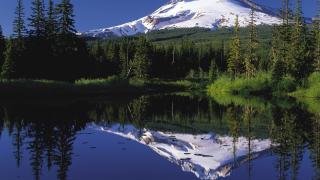





Pacific moisture creates reliable snowpack in high-elevation areas. The Cascade Range provides a unique geographic advantage for winter sports. Temperatures remain cold enough to maintain snow quality. This extended season supports consistent skiing and snowboarding conditions. Athletes rely on this stable environment for training. The proximity to the Pacific ensures adequate precipitation. High-elevation zones retain snow longer than lower areas. This geographic feature extends the viable sports season. Enthusiasts can plan activities with greater confidence. The climate supports extended winter sports engagement. Safety remains the primary concern for all participants.
Resort Ecosystems and Access
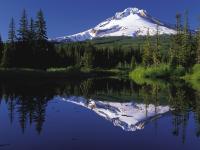
Mount Hood dominates the regional landscape. Three major resorts serve skiers near the peak. Mount Hood Meadows offers extensive terrain. Ski Hood provides a separate, adjacent experience. Ski Bowl serves the northern slopes. These locations require specific travel planning. Drivers must monitor road conditions closely. Oregon’s high-elevation roads often close due to snow. Check state reports before departure. Chain requirements may apply to vehicles. Parking availability varies by resort. Mount Hood Meadows offers extensive parking lots. Ski Bowl provides limited, free street parking. Amenities differ significantly between locations. Major resorts feature full dining services. Smaller areas may offer limited food options. Plan meals accordingly. Winter travel requires preparation. Check weather reports for storms. High winds can close lifts. Cold temperatures require proper gear. Layer clothing for safety. Always wear a helmet. Inspect equipment before every outing. Winter sports demand physical readiness. Warm up before skiing. Stop if you feel tired. Fatigue increases injury risk. Oregon’s terrain is challenging. Respect the environment. Plan your route carefully. Ensure your vehicle is prepared. Check tire chains. Verify road closure status. Safety depends on preparation. Oregon’s winter sports are world-class. Access requires careful planning. Stay informed about conditions. Prioritize safety above all else. Oregon’s mountains offer unique challenges. Prepare adequately for a safe experience.
Essential Gear and Safety Protocols
Oregon’s high-elevation terrain demands specific protective gear. Always wear a properly fitted helmet. This is critical for skiing or snowboarding in the Cascade Range. Layer clothing to manage variable Pacific Northwest weather. Moisture management is essential for safety. Inspect all equipment before every outing. Check bindings and boots for proper fit. Sudden temperature drops are common in the region. Monitor weather conditions closely for safety. High winds can significantly increase injury risk. Stop immediately if you feel fatigued. Many injuries occur due to reduced awareness. Train muscles before the season starts. Warm up properly to prevent injury. Cold ligaments are more prone to damage. Take professional lessons if you are a beginner. Learn safe falling techniques early. This reduces the risk of severe injury. Always respect your physical limits. Oregon’s terrain is challenging and requires preparation. Never overexert yourself during winter sports activities.
Monitor weather forecasts closely before heading to the mountains. Sudden changes in conditions are common in the Cascade Range. High winds and heavy wet snow can appear quickly. These factors significantly increase the risk of injury. Always check local forecasts for specific alerts. Pay close attention to low visibility and temperature drops. Sudden drops in temperature can affect equipment and safety. Adapt your plans based on real-time conditions. If storms approach, consider stopping activities immediately. Do not push through severe weather. Prioritize safety over completing a run. Make informed decisions based on current visibility. Trust your judgment if conditions feel unsafe. Stop immediately when fatigue sets in. Many injuries occur when athletes are tired. Listen to your body and the environment. Adjust your route or turn back if needed. Safety is the primary goal of every outing. Always be prepared for rapid weather changes. Stay aware of your surroundings at all times.
Planning and Practical Tips
Book accommodation and lift tickets in advance. This ensures availability at Mount Hood area resorts. Check operating hours before visiting. Conditions change rapidly in the Cascade Range. High winds and heavy snow are common. Dress in layers to manage temperature changes. Wear sport-specific protective gear at all times. A properly fitted helmet is essential for safety. Ensure boots fit correctly to prevent injury. Warm up properly before starting activity. Cold weather increases the risk of injury. Take regular breaks to maintain focus. Fatigue significantly increases the risk of accidents. Stop immediately if you feel tired. Monitor weather conditions continuously. Sudden storms can occur without warning. Plan your route based on current conditions. Always prioritize safety over speed. Respect the unique challenges of high-elevation terrain. Prepare for variable weather conditions. Stay hydrated and take regular breaks. This approach ensures a safe and enjoyable experience.