Dee Wright Observatory
1935 lava rock observatory with 360-degree views of Cascade Range peaks
- Admission
- Free
- Hours
- Typically open from early summer until the first heavy snow; the McKenzie Pass highway is...
- Where
- Sisters, Central Oregon
- Directions
- Directions
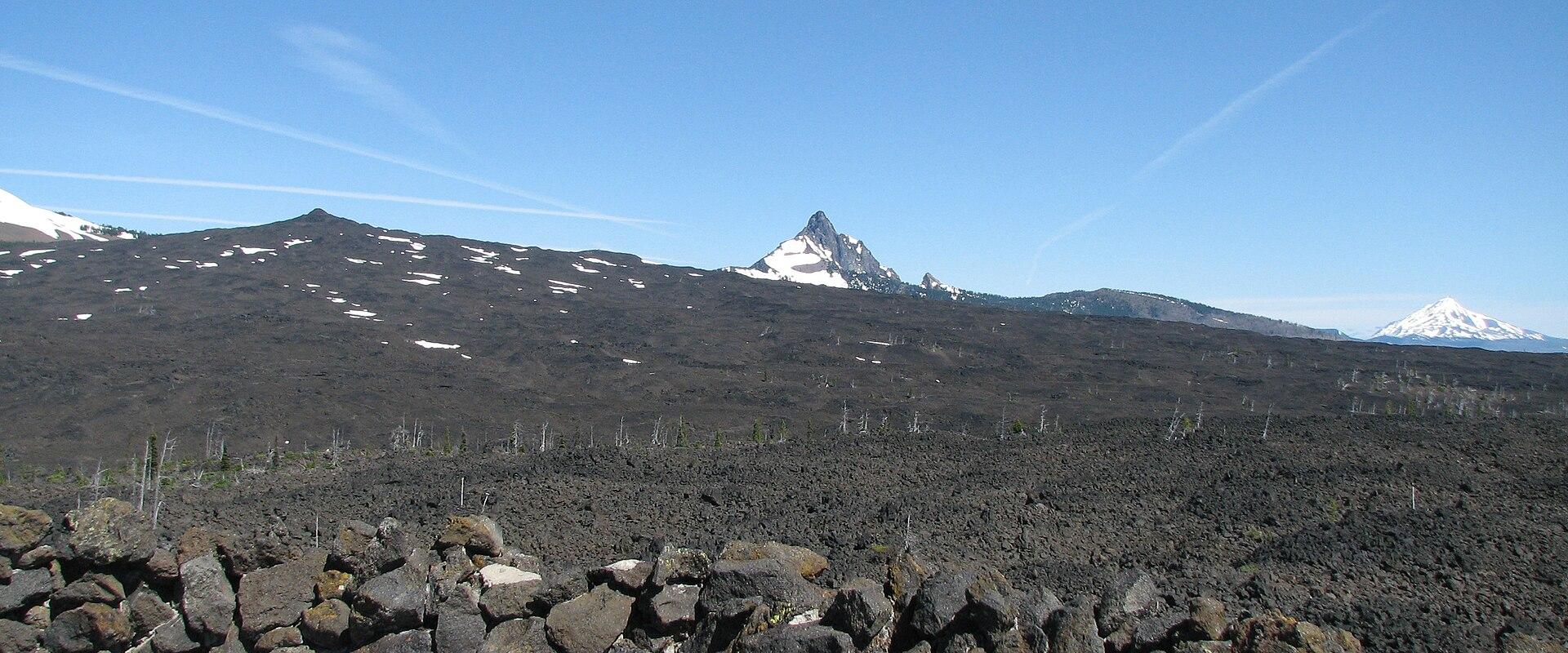
The Dee Wright Observatory is a small lookout building made of lava rock, standing at the summit of McKenzie Pass on Highway 242, about 15 miles west of Sisters. It sits at an elevation of about 5,200 feet, in the middle of a vast black lava field that spreads for miles, and it gives one of the finest panoramic views in the central Oregon Cascades. The building was constructed in 1935 by the Civilian Conservation Corps, using the dark volcanic rock found on the spot. It was named for Dee Wright, a packer and foreman who led the work crews on the McKenzie Highway project and died in 1934, before it was finished.
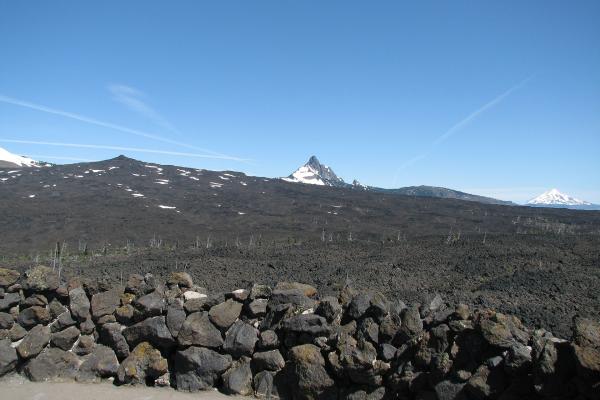
The structure is a castle-like building with a flat roof, arched openings and a rough stone surface that blends into the lava around it. A short, paved path leads up to the building, and a stairway climbs to the roof, which serves as the observation deck. Inside the building, windows have been placed to frame the major peaks of the Cascades, with the name of each peak marked on the opening that points to it. From the roof, the 360-degree view includes Mount Washington, Three Fingered Jack, Mount Jefferson, Mount Hood, the Three Sisters and Belknap Crater, and many smaller cones and craters.
The landscape around the observatory is almost as striking as the view. The area is covered by lava from eruptions that occurred over the past few thousand years, and the black, jagged rock stretches in all directions, with twisted pines and patches of green breaking up the dark expanse. A half-mile interpretive trail, the Lava River Trail, loops through the lava field from the observatory, with a midway resting bench, and it is paved and accessible, with signs describing how the lava formed. The Pacific Crest Trail crosses the pass nearby, so you may meet through-hikers.
The McKenzie Highway is closed by snow in winter, and the observatory is typically open from early summer, usually around July, until the first heavy snowfall. The highway is narrow and winding, with tight curves, and it is not suited to long RVs or trailers. Public transport does not run to the site, so you must arrive by private vehicle. Accessible parking and toilets are provided, and entry is free.
The views are best on clear days, preferably in the morning or evening, and the wind at the pass can be strong and cool, so bring a jacket. It suits drivers, photographers and families looking for a short, memorable stop. The Three Sisters Wilderness, Suttle Lake and the Metolius River are close by.
Categories
More photos coming soon
Hours & Fees
- Open
- Typically open from early summer until the first heavy snow; the McKenzie Pass highway is closed in winter.
- Admission
- Free
Hours and prices change, especially out of season. Check with the venue before you go.
Nearby Attractions
Other places to visit in Sisters
Three Sisters Wilderness
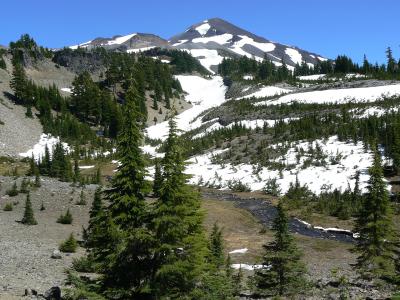
Vast rugged Cascade Range wilderness with three volcanic peaks and alpine lakes
Natural Wonders · Recreation & Sports

Sisters Outdoor Quilt Show
Annual July event featuring over 1,000 quilts displayed throughout the town
Free Festivals · Town Squares
Sisters Rodeo
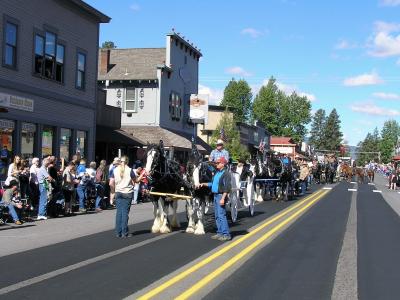
June PRCA rodeo with bull riding, bronc riding, and barrel racing
Recreation & Sports · Urban & Cultural
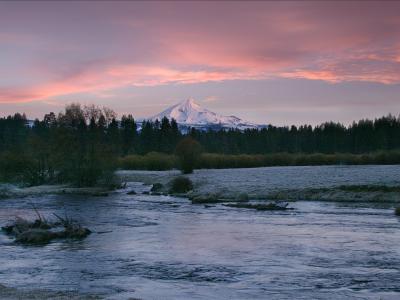
Metolius River
Short spring-fed river with cold clear water and ponderosa pine forest
Free Natural Wonders · Recreation & Sports
Questions people ask
Quick Facts
Best Time to Visit
June through September offers warm, dry weather ideal for outdoor activities.