





Devils Punchbowl
Deep bowl-shaped depression formed by sea erosion near Otter Rock
- Admission
- Free
- Hours
- Open daily; the viewpoint is best at high tide or in stormy weather.
- Where
- Newport, Central Oregon Coast
- Directions
- Directions
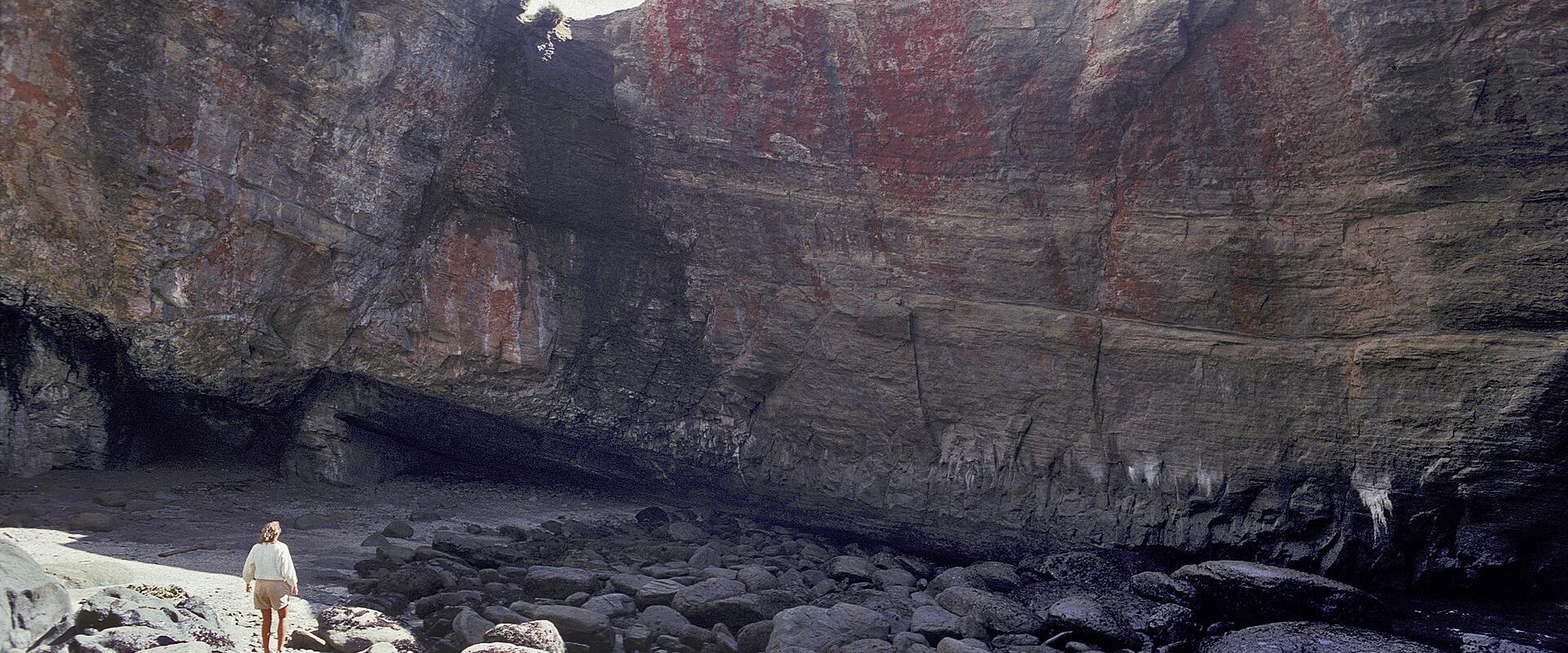
Devils Punchbowl is a large, bowl-shaped hollow in the coastal rock at Otter Rock, about eight miles north of Newport, and it is one of the most dramatic sights on the central Oregon coast. The formation is about 100 feet across, and it is open to the sea through an arch on the western side, so that the waves pour in and swirl around inside, creating a boiling, churning effect that looks a little like a giant bowl of punch being stirred. It is the place's name, and the effect is best seen at high tide or during winter storms, when the surge fills the bowl and spray bursts from the opening.
The bowl is thought to have formed as a sea cave. The sea carved a cave into the sandstone and mudstone of the headland, aided by cracks in the rock, and eventually the roof collapsed and left a deep hollow with a narrow opening to the ocean. Sea caves and collapsed roofs like this are common along the Oregon coast, but the Punchbowl is one of the most accessible and best known. The rock is soft and crumbly, and the forces that carved it are still at work, so the shape slowly changes over time. The site is part of Devils Punchbowl State Natural Area, and there is a day-use parking area with picnic tables and a viewing platform at the end of a short, well-kept trail.
From the viewing area, you can look down into the bowl and see the interplay of waves and rock. People should stay behind the railings, since the cliff edges are unstable and waves can be dangerous, and entering the bowl is generally not permitted. At low tide, the beach below becomes a place to explore, with tide pools full of sea stars, anemones, crabs and mussels, and the sea cave is accessible at the lowest tides. Visitors should watch the tide closely, stay off the slippery rocks and never turn their backs to the surf. The Otter Rock Marine Reserve, just offshore, protects the marine life, and harbor seals and seabirds are frequent visitors. The site is also a good place to watch for gray whales, which pass the coast during their migrations in winter and spring.
The viewpoint is open daily and free to enter. To reach it, take Highway 101 north from Newport and turn west at Otter Rock, parking in the lot at the end of the road. Allow an hour or two.
It suits families, photographers and storm watchers. Cape Foulweather, Beverly Beach and Yaquina Head Lighthouse are close, and the Newport Historic Bayfront and Oregon Coast Aquarium are a short drive south.
Categories
More photos coming soon
Hours & Fees
- Open
- Open daily; the viewpoint is best at high tide or in stormy weather.
- Admission
- Free
Hours and prices change, especially out of season. Check with the venue before you go.
Nearby Attractions
Other places to visit in Newport
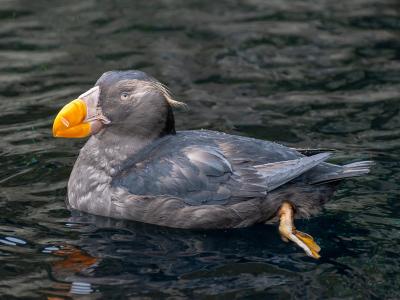
Oregon Coast Aquarium
Newport aquarium featuring touch pools, sea otters, and daily wildlife presentations
Wildlife Watching · Zoos & Aquariums
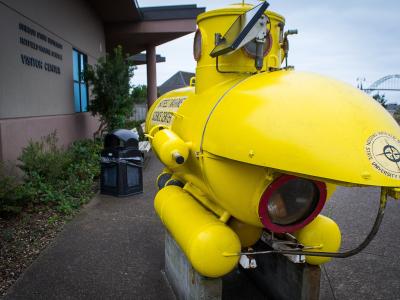
Hatfield Marine Science Center
Oregon State University research facility with interactive marine exhibits and resident scientists
History & Heritage · Nature & Gardens
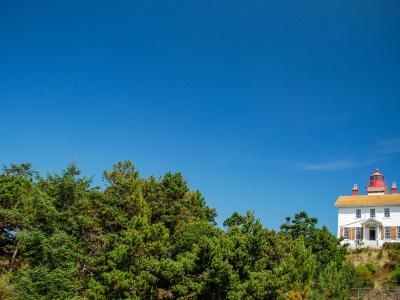
Yaquina Bay Lighthouse
Historic 1871 wooden lighthouse with attached living quarters and museum
Historic Towns · Lighthouses
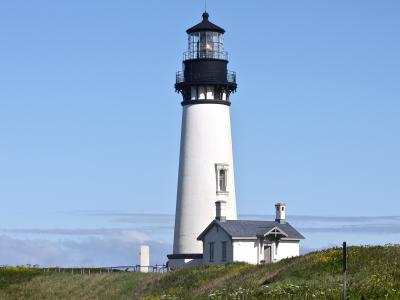
Yaquina Head Lighthouse
Oregon's tallest lighthouse on a basalt headland with tide pools and seal views
Coastal & Maritime · History & Heritage
Questions people ask
Quick Facts
Best Time to Visit
June through September offers the best weather for coastal exploration in Newport.