




Willamette Heritage Center
Fourteen historic buildings and artifacts showcasing Willamette Valley history
- Where
- Salem, Willamette Valley
- Directions
- Directions
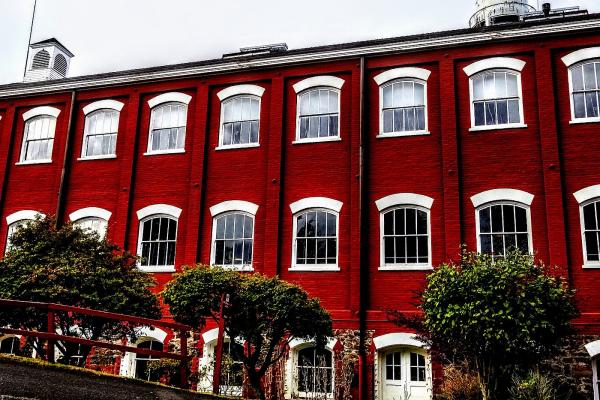
The Willamette Heritage Center is a collection of historic buildings and a museum on Mill Street in Salem, at 1313 Mill Street SE, just south of downtown, and it tells the story of how the Willamette Valley was settled and how it developed. It was formerly known as the Mission Mill Museum, and it took its present name in the 2010s to reflect the wider range of the story it tells. The site has about fourteen historic structures spread across a campus beside Mill Creek, and together they give a more complete picture of 19th-century life than a single house could.
The oldest of the buildings is the Jason Lee House, built in 1841 for the Methodist missionary Jason Lee, who came to the Willamette Valley in the 1830s to found a mission. It is considered one of the oldest standing wooden frame structures in the Pacific Northwest, and it was moved to the present site to preserve it. Beside it stands the John D. Boon House, built in 1847 for a pioneer who later became Oregon's state treasurer, and together the two houses show how the early settlers lived. Other buildings include the Pleasant Grove Presbyterian Church of 1858, a small wooden church that was moved here, and a number of other homes and structures that have been brought to the site. The grounds are laid out so visitors can walk among them and look at the different styles and building methods.
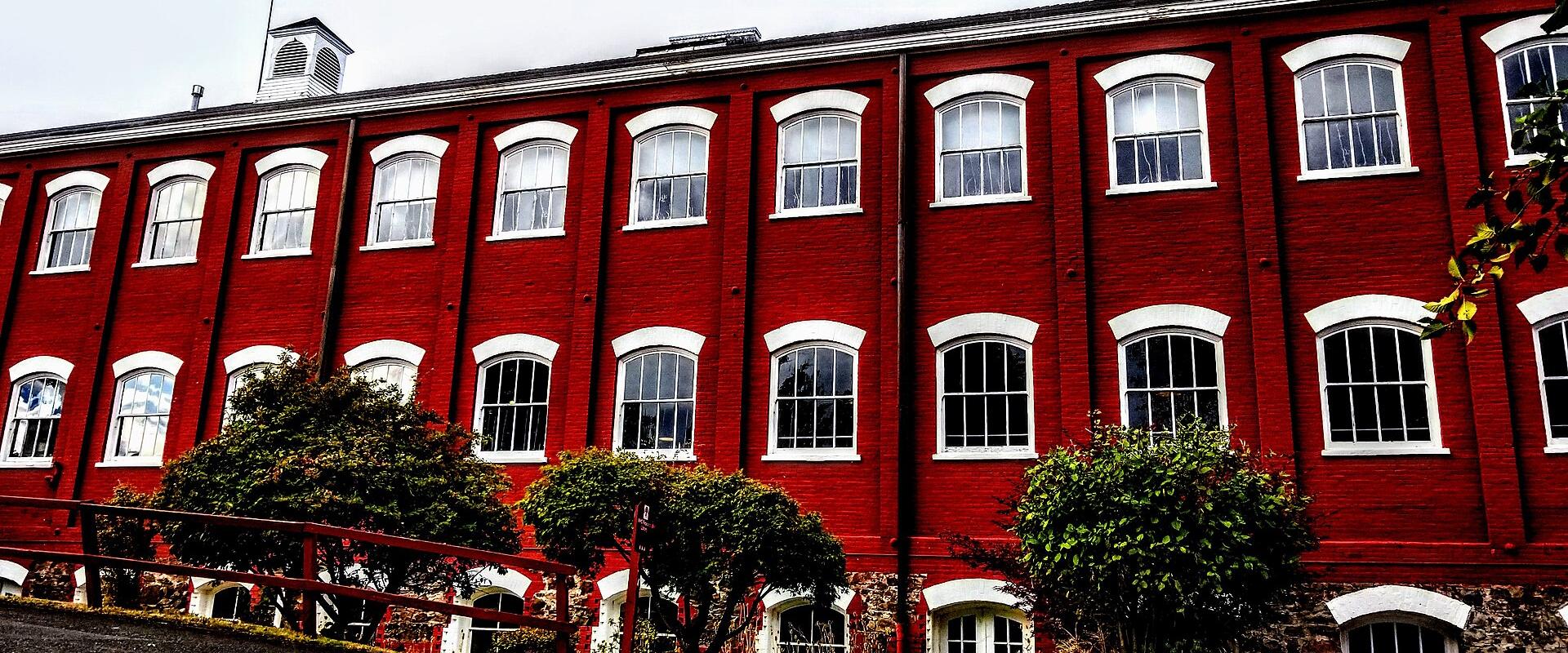
The centrepiece of the site is the Thomas Kay Woolen Mill, built in 1889. The mill used water from Mill Creek to power machinery that turned wool from the valley's sheep into cloth and blankets, and it worked until the early 1960s, becoming a symbol of the textile industry that was important to the area's development. The mill is now a historic site, and inside it the machinery and displays illustrate how wool was spun and woven. The Textile Learning Center focuses on the craft, with demonstrations and classes in spinning and weaving, and a research library holds records and photographs for historians and family researchers.
The center is accessible, with clear signs and options for guided tours, and the historic structures are well maintained. Admission fees apply, and hours vary by season and by building, so check the center's website before visiting. A shop sells woollen goods and gifts.
A visit takes about two hours. It suits history readers, families with older children and textile enthusiasts. The Bush House Museum, Deepwood Museum and Gardens and the Oregon State Capitol are a short drive away.
Categories
More photos coming soon
Nearby Attractions
Other places to visit in Salem
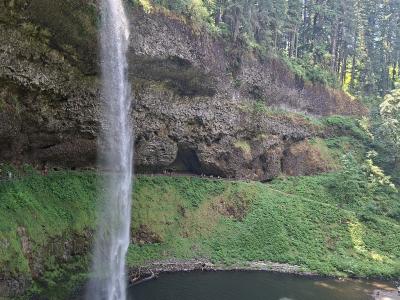
Silver Falls State Park
Oregon's largest state park with dramatic waterfalls and a 7.2-mile trail
Natural Wonders · Hiking Trails
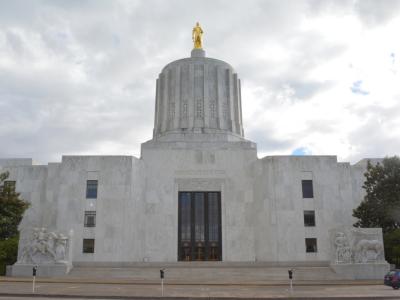
Oregon State Capitol
White marble Art Deco building with gilded Oregon Pioneer statue
History & Heritage · Urban & Cultural
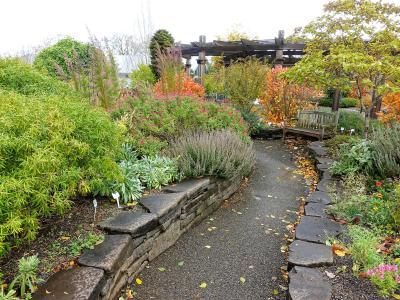
The Oregon Garden
80-acre botanical garden with Frank Lloyd Wright house and 20 themed gardens
History & Heritage · Nature & Gardens
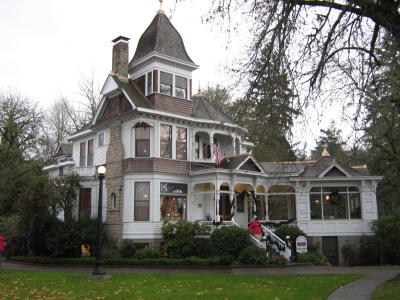
Deepwood Museum and Gardens
1894 historic house with formal gardens and nature trails
Free History & Heritage · Nature & Gardens
Questions people ask
Quick Facts
Best Time to Visit
June through September offers dry, warm weather ideal for exploring the region.