

Dark Horizons Over the Pacific
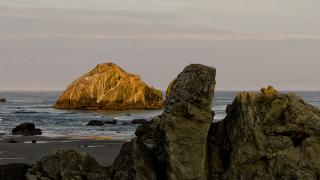
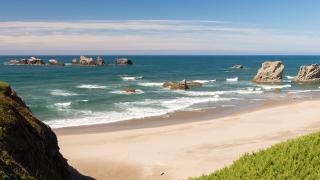
The coastal edge offers a stark, beautiful contrast to the inland high desert, anchored by the quiet presence of Siah’s Ridge. Here, the air carries the crisp, saline scent of the Pacific, wrapping around the landscape in a way that feels both ancient and immediate. Spring arrives not just as a season, but as a gentle alignment, where daylight stretches just enough to frame the night without crowding it.
This is the sweet spot for astrophotography, where the absence of urban glare allows the celestial sphere to breathe. The western horizon remains unbroken, offering a wide, unobstructed canvas for the stars to shine. As you stand there, the Milky Way emerges with a clarity that feels almost tangible, a silent witness to the turning sky.
In this quiet expanse, the boundary between the earth and the heavens softens. The dark sky wraps around you in a gentle, expansive embrace. It is a moment of stillness, where the only sound is the distant crash of waves and the quiet hum of the universe above. For those who seek it, this is more than a view; it is a return to something ancient and true, a reminder of the vast, open sky that stretches beyond the edge of the world.
High Desert Canopy in the East
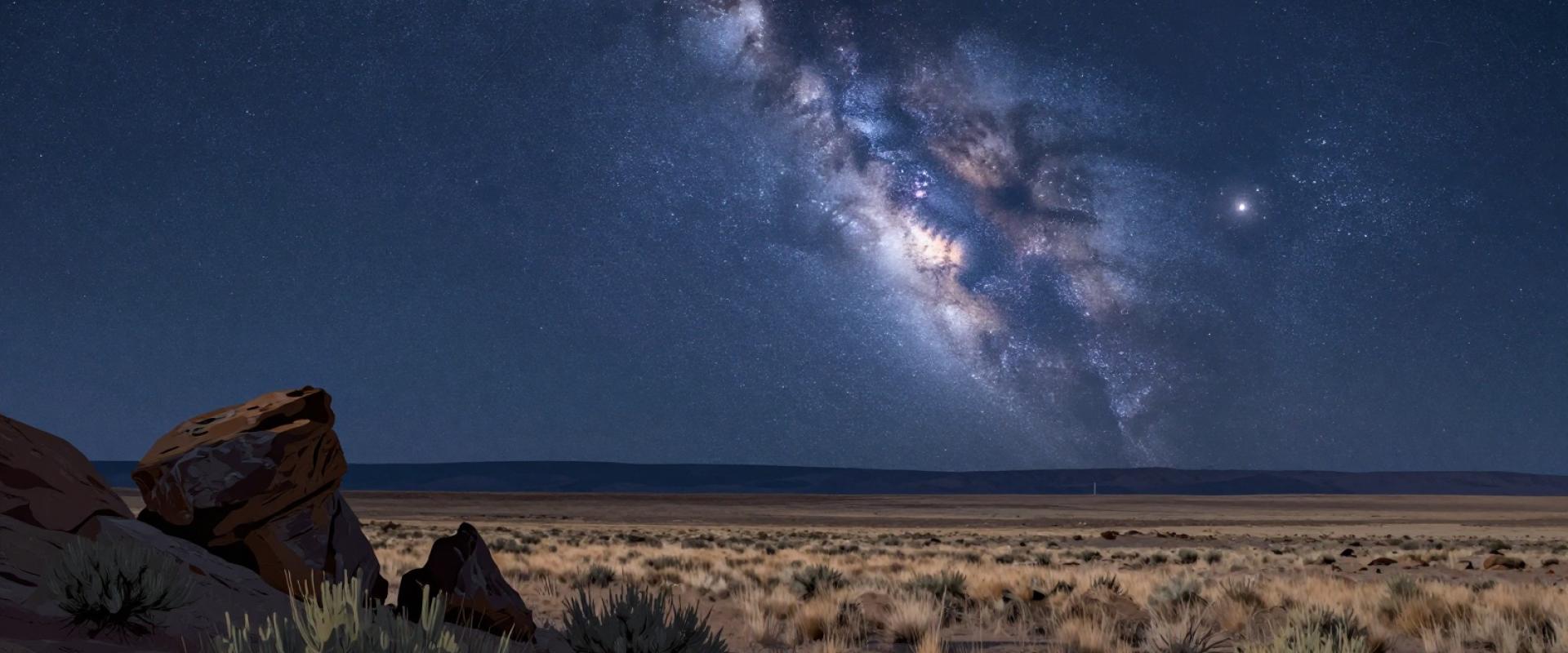
While the coast offers a different kind of horizon, the high desert sky presents a stark, brilliant contrast. Hart Mountain’s Ankeny National Wildlife Refuge stands as a prime example of this vast, open expanse. Here, the air is thin, and the silence is profound, broken only by the whisper of wind.
Because the area spans 2.5 million acres, the darkness is absolute. You will see the Milky Way with striking clarity, individual stars visible to the naked eye without any optical aid. It is a humbling reminder of the universe’s scale, offering a perspective that feels both intimate and infinite.
To make the most of this view, plan your visit for clear, moonless nights. Bring warm layers, as temperatures drop sharply after sunset. Take time to look up and appreciate the view, letting the sheer scale of the cosmos ground you in the moment.
The coast offers a rare, breathless clarity, but the air turns crisp and cold as the sun dips below the horizon.
You need to check the weather forecast before heading out, ensuring that cloud cover won’t obscure the celestial view. Dress in layers to handle the cool, damp air that rolls in from the Pacific, keeping you comfortable while you wait.
Use red-light flashlights to preserve your night vision, allowing your eyes to adjust to the deep, inky blackness surrounding the dunes. Star charts become essential tools for identifying specific celestial objects, turning the vast, silent expanse into a readable map.
This approach ensures a clear, immersive experience, letting you truly absorb the silence and the stars above.