




Can You Have a Beach Fire in Oregon?
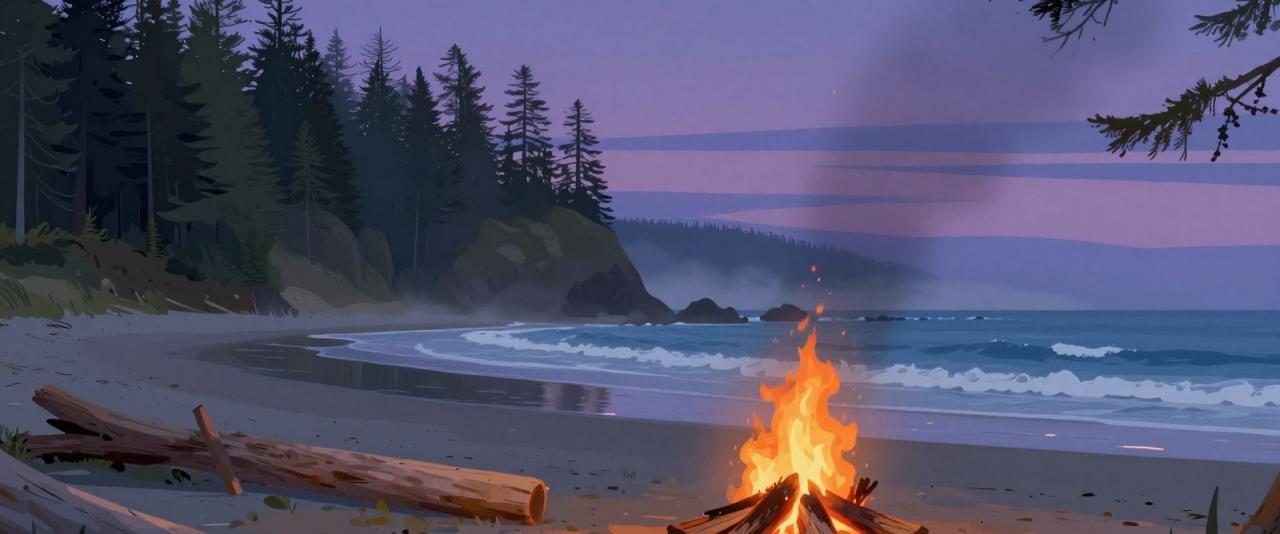
Yes, in most places. Oregon's ocean shore is public land managed by Oregon Parks and Recreation Department, and small campfires are generally allowed on the open sand. The catch is that the rules change with conditions. During dry spells, OPRD and local fire districts can ban beach fires along part or all of the coast, and some cities and parks set stricter rules of their own.
Before you go, check three things: OPRD's current fire restrictions for the coast, any city or fire district rules where you plan to burn, and the tide table. The rest of this guide covers where to go and how to keep a fire safe and legal.
Where to Build It
The general state rule is that a beach fire should be on open sand, well away from driftwood piles and dune vegetation. Local fire districts set specific distances, and these vary. Some require 20 feet, others 25 or even 50 feet from driftwood and grass, and some cap the size of the fire at two or three feet across. Use the strictest number you find for the beach you are on.
Things to avoid:
- Driftwood piles and logs: Never build against or on them. A fire can spread into the pile and smolder underground for days, and burning beach logs is a known cause of coastal fires.
- Dune grass: Dry European beach grass ignites easily and can carry fire into the dunes and nearby homes.
- Beach accesses and paths: Keep clear of where people walk.
- Below the high-tide line: A fire on wet sand near the water will be swamped by the incoming tide.
Most Oregon beaches do not have fire rings. You will be building directly on the sand, so dig a shallow pit to help contain it.
Good Beaches for an Evening Fire
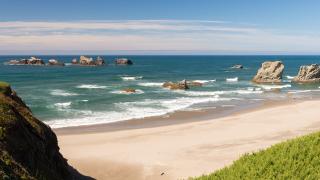
These are popular choices, each with wide sandy beaches and good sunset views. Check local rules for each before you go.
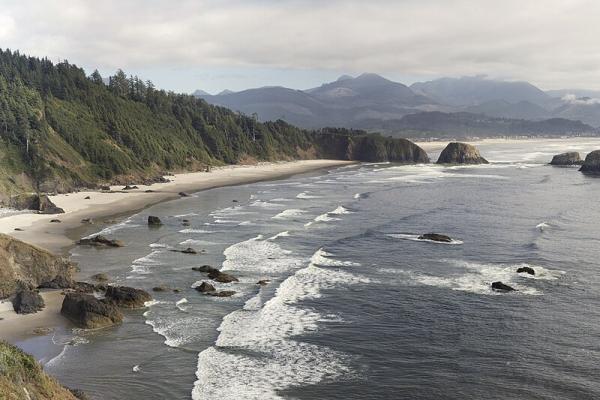
- Cannon Beach: Broad sand and Haystack Rock offshore. The city has its own beach fire rules, separate from state guidance, and can restrict fires during dry weather.
- Pacific City: The beach next to Cape Kiwanda is a classic place for an evening fire, with the dory boats launching from the sand during the day.
- Lincoln City: Seven miles of continuous beach with many access points; the North Lincoln Fire District publishes beach fire guidance.
- Newport and Florence areas: Wide beaches near Agate Beach in Newport and along the sand south of Florence are less crowded on weeknights.
Pick a beach access with parking you can reach easily in the dark, since you will be walking back after sunset.
What to Burn
Bring your own firewood. Some fire districts prohibit burning driftwood, and wet beach wood smokes badly anyway. Buy wood locally rather than bringing it from far away to avoid spreading forest pests. Burn only clean wood: no trash, plastic, glass or treated lumber.
Keep the fire small and manageable, and watch the wind. Coastal winds can pick up quickly in the evening and carry sparks a long way. If the wind is strong enough to blow sand, it is too windy for a fire.
Putting It Out Completely
Do not bury a fire in sand. Sand insulates the coals and they can stay hot enough to burn bare feet the next morning. Instead:
- Let the fire burn down.
- Drown it with plenty of water, using a bucket filled from the ocean if needed.
- Stir the ashes and add more water until everything is cold to the touch.
- Pack out any remaining trash.
Never leave a fire unattended, even briefly. Rangers can issue fines for campfire violations.
Safety on the Beach at Night
- Tides: Know when high tide is. Some beaches narrow to nothing at high water, and rising tides can cut off your route back.
- Sneaker waves: Large waves can surge far up the beach without warning. Keep children well back from the water and never turn your back on the ocean.
- Logs: Do not sit on or let children climb on logs near the surf line; waves can roll them.
- Light and warmth: Bring headlamps and warm layers. Coastal evenings are cool even in summer.
- Fireworks: Leave them at home. They are not allowed on many Oregon beaches.