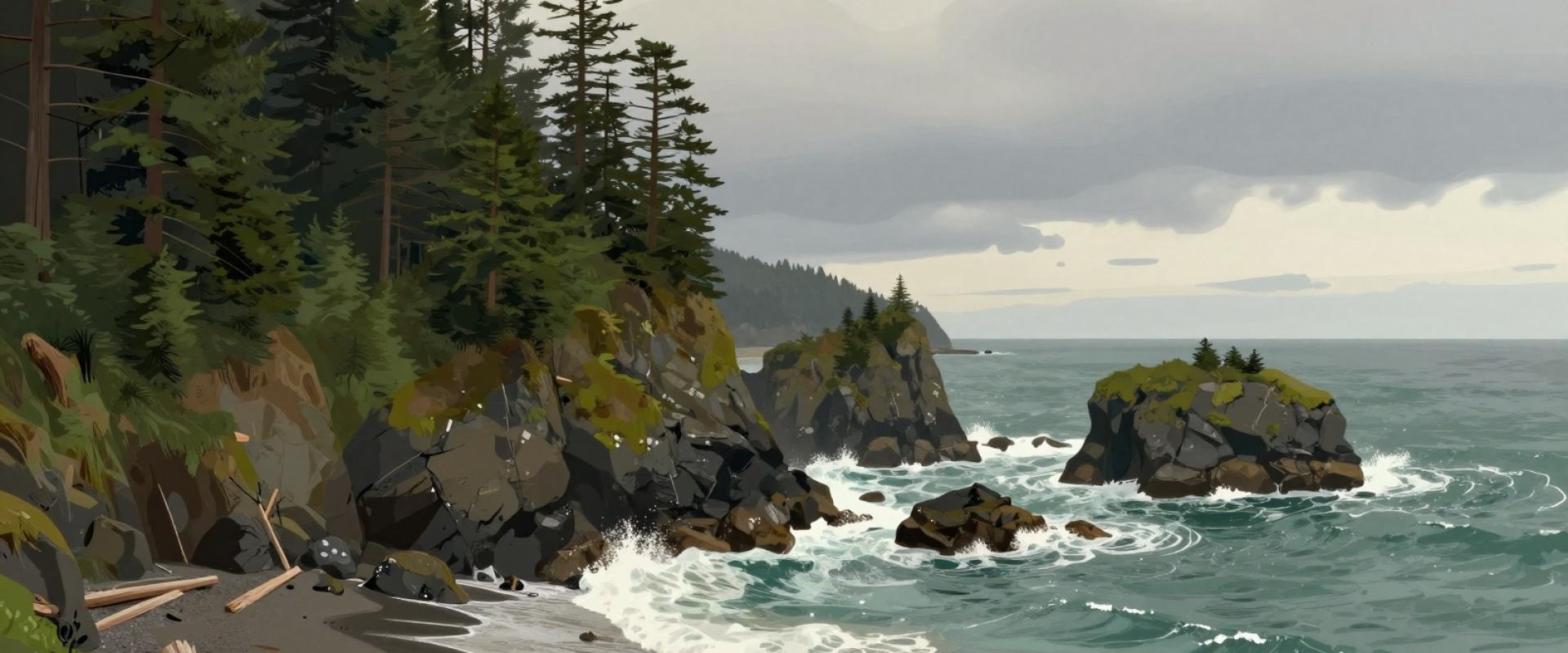
The Salt-Sprinkled Prologue
Pacific wind, heavy with the scent of wet kelp and ancient basalt, wraps around the car as we begin. This is not a mere transit corridor; it is a pilgrimage through ecosystems that shift beneath our tires. US Route 101, designated in 1926, follows roughly 363 miles of Oregon coastline from the Columbia River at Astoria to the California border, serving as the economic and cultural spine of the coast.
To truly appreciate this landscape, one must respect its rhythm. The tide dictates the pace, pulling back to reveal tide pools or crashing against the cliffside with equal force. We are not just passing through; we are stepping into a living, breathing environment where nature holds the upper hand.
As we drive south, the road invites a deep, quiet immersion. The wild, untamed spirit of the Pacific Northwest is not just a backdrop; it is a participant. Here, the intersection of human history and rugged terrain creates a profound connection, reminding us that while we may drive the road, the land itself remains the true authority. This journey is an invitation to slow down, to look closer, and to honor the enduring legacy of the communities that call these rugged coasts home.
Cartography of the Wild Coast
US Route 101 cuts a silver ribbon through the rugged spine, turning a 1,540-mile stretch into a pilgrimage for those chasing ancient redwoods. This 1926 highway serves as more than mere transportation; it is a critical economic artery, yet flexibility remains the traveler’s truest tool.
The weather here shifts rapidly, demanding adaptability from anyone who crosses its path. One moment, sun illuminates the historic towns; the next, fog swallows the view whole. You must respect the power of the natural world, for the landscape reveals its true character only to those who move with it, not against it.
Beneath this shifting sky, diverse ecosystems unfold mile by mile. The terrain changes subtly as you travel south, offering a new tapestry of life with every turn. Plan your stops with an understanding of these seasonal shifts, and let the coast reveal itself on its own terms.
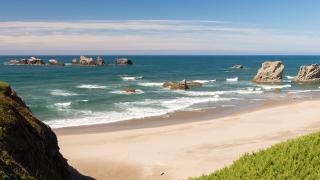
The Pacific doesn’t just visit the Oregon coast; it breathes with it. To walk here is to move to a rhythm older than memory, where the land and sea negotiate a truce twice daily. Before you step onto the slick rocks, check the tide charts. Low tide reveals the hidden world of tide pools, but high tide swallows them whole, turning the shoreline into an inaccessible wall of water.
Stepping carefully matters. The rocks are treacherous, coated in slime that turns even solid stone into ice. As you explore, resist the urge to flip stones or lift sea stars. These creatures, like the vibrant purple sea urchin, rely on the precise balance of their tiny world. A lifted rock doesn’t just expose a creature; it exposes a micro-ecosystem that has taken years to form.
Observe quietly. Let your eyes do the work before your hands reach out. If you must interact, handle marine life gently and return it to the exact spot from which it was taken. This isn’t just about preserving biodiversity; it’s about respecting the complex web of life that thrives in the splash zone. By leaving no trace, we honor the ancient pulse of the ocean.
Sanctuary in the Fog: Culinary Rest Stops
The Pacific wind carries salt from centuries past, reminding us that these coastal towns are living archives, not mere pit stops. Astoria’s Victorian architecture frames a culinary scene as rich as its literary history. A hearty bowl of chowder costs roughly $15, grounding the journey in tangible comfort.
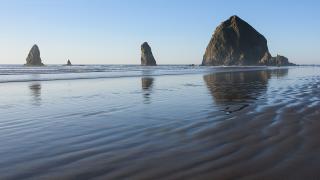
Cannon Beach offers a different rhythm. Here, the tide dictates the pace of life, while art galleries reflect the region’s creative pulse. We often pause here, not just for the iconic view, but to experience the slow, deliberate beauty of the Pacific Northwest coast.
Accommodations range from historic inns to modern lodges, each offering a unique vantage point of the water. The culinary scene thrives on fresh, local ingredients, with seafood remaining the undisputed star. A simple plate of Dungeness crab can cost around $25, yet it delivers an unparalleled taste of the Oregon coast.
These stops are essential for understanding the region’s character, blending natural wonder with cultural depth. The enduring legacy of these towns lies in their ability to offer sanctuary. It is a place to rest, reflect, and absorb the vast, wild beauty of the coast.
Echoes of the Pacific: A Final Reflection
Salt-laden breezes sweep through the ancient coastal forests, tracing the 1,540-mile spine of US Route 101.
We stand at the end of a loop that began in the deep, redwood shadows and concluded against the dramatic, crashing cliffs of the Pacific Northwest.
Since its designation in 1926, this highway has served as more than just a road; it is a vital economic lifeline connecting isolated communities to wider markets.
For travelers, it remains a pilgrimage route, offering access to wildly diverse ecosystems that shift from temperate rainforests to rugged shorelines in mere hours.
The tide’s rhythm feels like the region’s own heartbeat—constant, ancient, and deeply grounding amidst the chaos of modern life.
As we shut off the engine, the silence settles in.
You realize quickly that the true value of this journey isn’t measured in miles, but in the profound, quiet connection to the land itself.
These moments of stillness will linger long after the car cools down.
We have a duty now to protect this raw, unfiltered beauty, ensuring the Oregon Coast’s legacy of resilience remains intact for those who follow in our wake.