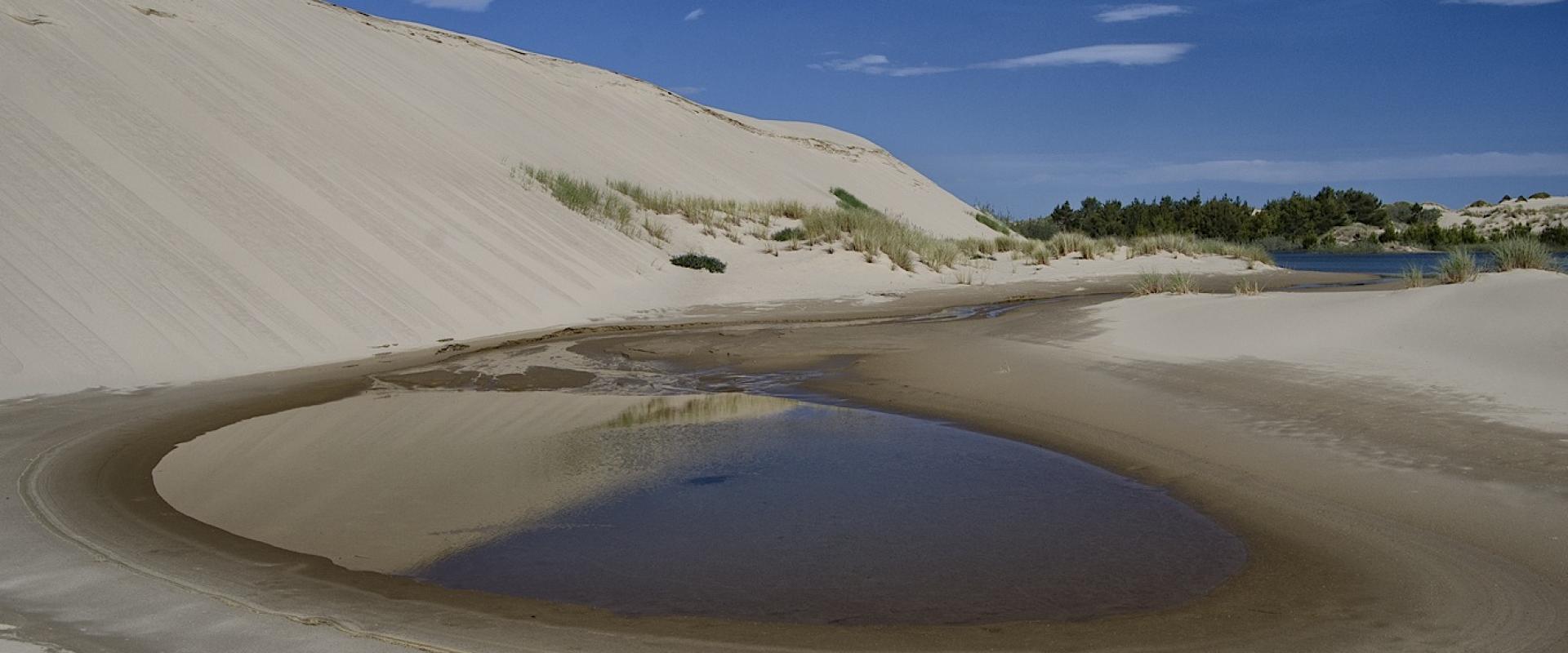
Oregon Dunes National Recreation Area
Largest coastal dunes in North America, established in 1972
- Hours
- Day-use areas generally open year-round; check the Forest Service for specific facilities
- Where
- Coos Bay, South Oregon Coast
- Directions
- Directions
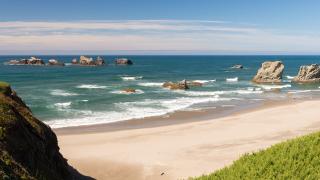
The Oregon Dunes National Recreation Area stretches for about 40 miles along the central Oregon coast, between Florence in the north and Coos Bay in the south, and it protects the largest expanse of coastal sand dunes in North America. It was established in 1972 and is managed by the Siuslaw National Forest. The dunes form a belt that can be up to two or three miles wide, with ridges that rise as much as 500 feet above sea level, and the scale is startling when you walk out of the forest into an open sea of sand with the Pacific roaring somewhere beyond.
The dunes were created over thousands of years by sand carried from the Coast Range by rivers, then blown inland by the wind. The shifting ridges are constantly reshaped, burying forest at their eastern edge and uncovering old tree stumps elsewhere. Behind them lie freshwater lakes, forested islands of shore pine, marshes and streams, so that the landscape changes from dune to wetland to forest in a short distance. Species that live here include deer, coyotes and a variety of birds, with ospreys, herons and migrating waterfowl on the lakes. The snowy plover, a small shorebird, nests on the beach and some sections are closed to protect it. Plants such as beach grass, shore pine and rhododendron are also part of the system.
Recreation is varied. Off-highway vehicles are allowed in designated open sand areas, with the stretch between Spinreel Campground and Horsfall Road one of the most popular for riding, and rental companies offer dune buggy and ATV outings. Quieter sections are reserved for hikers, with trails that lead from the forest across the dunes to the beach, and horseback riders use the same routes. Canoeists and kayakers explore the lakes and the Siltcoos River, and anglers fish both lakes and the sea. Campgrounds are scattered along Highway 101, and the visitor centre in Reedsport has information.
The area also has a place in literature. The author Frank Herbert came to the Oregon coast in the 1950s to write about efforts to stabilise shifting sand, and the dunes helped inspire the desert world of his novel Dune. Visitors who walk into the open sand can see why.
The area is open year-round, and most day-use areas are accessible in every season, though some facilities require fees or passes and conditions vary with weather. Summer is the busiest and driest period. Stay on marked trails, respect closures and carry plenty of water. It suits families, hikers, photographers and anyone looking for an unusual coastal landscape; Shore Acres State Park and Sunset Bay State Park are within a drive to the south.
Categories
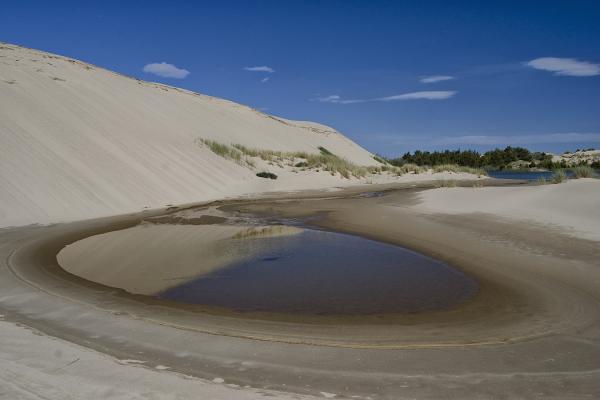
More photos coming soon
Opening Hours
- Open
- Day-use areas generally open year-round; check the Forest Service for specific facilities
Hours and prices change, especially out of season. Check with the venue before you go.
Nearby Attractions
Other places to visit in Coos Bay
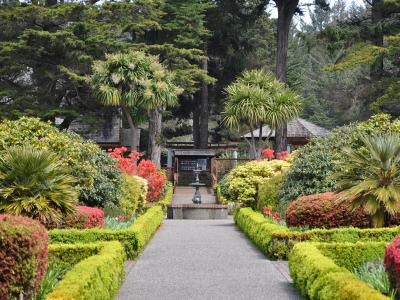
Shore Acres State Park
Sandstone cliffs with formal, Japanese and rose gardens near Coos Bay
History & Heritage · Natural Wonders
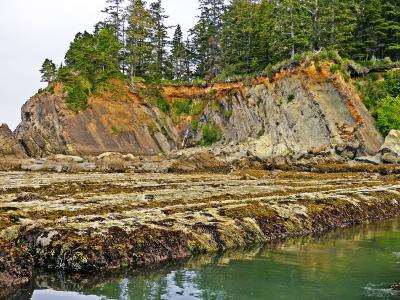
Sunset Bay State Park
Sandy cove protected by towering sea cliffs near Charleston
Coastal & Maritime · Natural Wonders
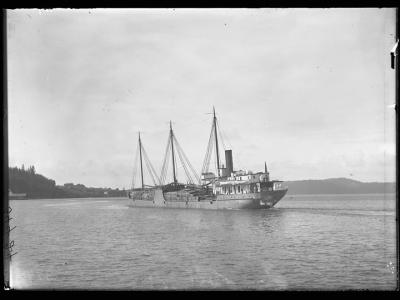
Coos History Museum
Waterfront museum detailing regional people, industries, and maritime heritage
Coastal & Maritime · Museums
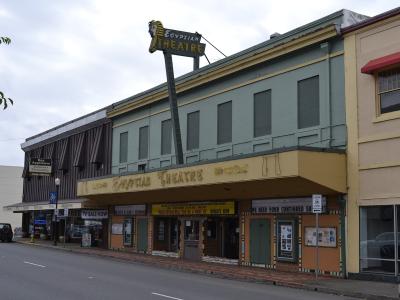
Egyptian Theatre
Historic 1925 Egyptian Revival theater in downtown Coos Bay
History & Heritage · Urban & Cultural
Questions people ask
Quick Facts
Best Time to Visit
July through September offers the best weather with warm, dry conditions ideal for outdoor activities.