A Morning Cup and a Valley View
Oregon’s Willamette Valley has cemented its status as a global capital for Pinot Noir, but the true magic lies in the quiet moments that frame the bottle. This is not just a destination for wine; it is a landscape defined by the rhythmic interplay of light, soil, and season. Here, the charm is not manufactured but cultivated, rooted in a community that values connection over volume.
The region’s character is anchored by its unique geology. The iron-rich Jory soil, a volcanic basalt residue, imparts a distinct mineral depth to the grapes that cannot be replicated elsewhere. It is this specific terroir, combined with the cool, marine-influenced air, that creates an atmosphere of deliberate calm. As the sun rises, the air remains crisp, offering a refreshing clarity that invites you to pause.
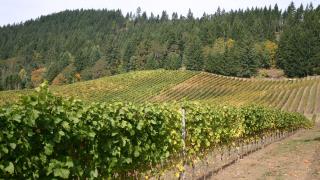
This is a place where time seems to stretch. The landscape invites you to linger, to let the view of rolling hills and vine-covered slopes settle into your mind. The coffee in your hand is hot, the air is cool, and the world feels both vast and intimate. It is a reminder that the journey is not just about the destination, but about the quality of attention you bring to the moment.
The Soul of the Vine
Pinot Noir is often described as the most difficult grape to grow, and in the Willamette Valley, it is also the most rewarding. The region’s cool, damp climate, influenced by the Pacific Ocean, creates a unique environment where these delicate vines thrive. The key lies in the soil: the iron-rich Jory dirt, along with other sedimentary layers, provides a complex foundation that imparts a distinct earthiness to the grapes.
Each bottle is a reflection of the specific weather patterns of the year. A wet spring followed by a dry, warm summer will produce a vintage that is rich and full-bodied, while a cooler year might yield wines with brighter acidity and more subtle fruit notes. This is not just about agriculture; it is about capturing the spirit of a specific time and place.
The care taken in the vineyard is mirrored in the cellar. Winemakers here are not just producers; they are stewards. They watch the vines with a keen eye, adjusting to the daily changes in the weather. This attention to detail results in wines that are not just delicious, but meaningful. Each sip is a reminder of the land’s quiet, persistent beauty, and the human hands that have nurtured it.
Sips and Stories: The Art of Connection
In the Willamette Valley, the act of tasting wine is less about consumption and more about connection. The region is globally renowned for its Pinot Noir, but the true allure lies in the people behind the bottles. When you step into a tasting room, you are not just a customer; you are a guest.
The staff here are passionate about their craft, and they are eager to share their knowledge. They are not just servers, but storytellers. They can tell you about the specific vineyard block, the year it was planted, and the challenges faced in the harvest. This personal touch transforms a simple tasting into a meaningful experience.
It is important to slow down. Take your time to chat with the staff, to ask questions, and to listen to their stories. Engaging with them reveals the passion that defines Oregon wine. It is a slower pace, yes, but it is a rewarding one. By taking the time to connect, you gain a deeper appreciation for the wine and the people who make it.
Farm-to-Table: A Culinary Partnership
Dinner in the Willamette Valley is not just a meal; it is a celebration of the local landscape. The region’s culinary scene is deeply rooted in the land, with chefs working closely with local farmers to create dishes that reflect the season.
The boundary between the vineyard and the kitchen is porous. Many restaurants in the area, from cozy bistros in McMinnville to more upscale dining rooms, source their ingredients locally. This means that the vegetables, herbs, and even the meat often come from farms within a few miles of the restaurant.
This farm-to-table approach ensures that the food is fresh, seasonal, and reflective of the region’s unique character. It is a celebration of the land, where the flavors are as varied and vibrant as the landscape itself.
Your Next Steps
The Willamette Valley is a place where you can slow down and appreciate the simple pleasures of life. Whether you are exploring the historic town of McMinnville, wandering through the rolling hills of Dundee, or simply enjoying a cup of coffee on a porch, you will find a sense of peace and connection.
The region is home to a diverse range of wineries, from small, family-owned vineyards to larger, more established brands. Each has its own unique character and story, and all are worth exploring.
As you plan your visit, consider taking the time to explore the region at your own pace. Take a walk through the vineyards, visit a local farmer’s market, or simply sit and enjoy the view. The wine is only part of the experience; the rest is in the air, the land, and the people.
This is a place where you can slow down, breathe deeply, and connect with the world around you. It is a place where the journey is just as important as the destination. And it is a place where you are always welcome.