




The Golden Wake: Daffodils and Dawn
March in Oregon does not whisper; it announces itself. It starts with a quiet but firm declaration in the form of the first daffodils piercing the damp, dark soil of the Willamette Valley. These are not subtle hints. They are bold, yellow beacons that signal the end of winter’s long, wet hold.
For families, this shift is more than a visual change; it is an invitation to reconnect. As the land sheds its heavy, wet blanket for crisp, clear air, the rhythm of the home changes too. We often overlook these quiet start signals in our daily rush, yet they mark the true beginning of the season’s promise. By April, the landscape has transformed from gray monotony into a vibrant mosaic, and children explore this new world with wide-eyed wonder, tracing the roots of blooming flora with curious hands.
The Wetland’s Heartbeat
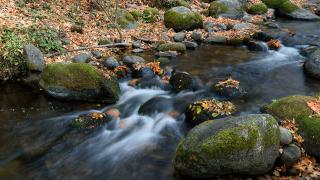
By late March, the atmosphere near the wetlands begins to shift. The air, once heavy with the threat of rain, begins to clear, revealing the landscape in sharp, bright relief. It is a delicate time, a threshold between the dormancy of winter and the explosion of spring.
Here, the ground is soft, yielding gently underfoot. It is a perfect time to walk, provided one moves with care. The ecosystem here is a living, breathing entity. A turtle might sun itself on a mossy bank, while the distant, echoing call of a marsh bird breaks the silence. Wild irises add splashes of violet and gold, weaving through the greenery in a complex, living tapestry.
Light filters through the canopy in dappled patterns, casting a gentle, ethereal glow over the mud and water. It is a suspended moment, a pause in the rhythm of the year. We invite you to walk slowly, to let the small details—the opening bud, the reflection in a pudd—tell the true story of the land. Take your time. Breathe it in.
Mount Pisgah: A Sanctuary for Senses
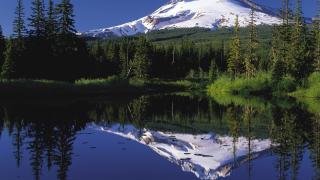
Our journey often begins at Mount Pisgah Arboretum. This 200-acre sanctuary offers a gentle introduction to the forest, a place where the noise of daily life fades into the background. It is the perfect starting point for families, offering a low-stress introduction to the wild.
As you stroll along the trails, the air grows thick with the sweet, heady scent of blooming flora. The path winds from the quiet riverbank up toward the mountain peak, inviting you to pause and look closer. Here, children often spot purple camas and bright yellow daffors dotting the forest floor, turning a simple walk into a little treasure hunt.
I often recommend bringing a guidebook or a helpful app to identify the local blooms. It transforms the hike from a mere walk into an educational adventure. There is a unique magic in naming a flower together, in discovering the Latin name behind the common name, in bonding over the shared wonder of nature. It is a restorative rhythm, a reminder that we are part of a larger, intricate system.
Staying on the Path: A Gentle Guide
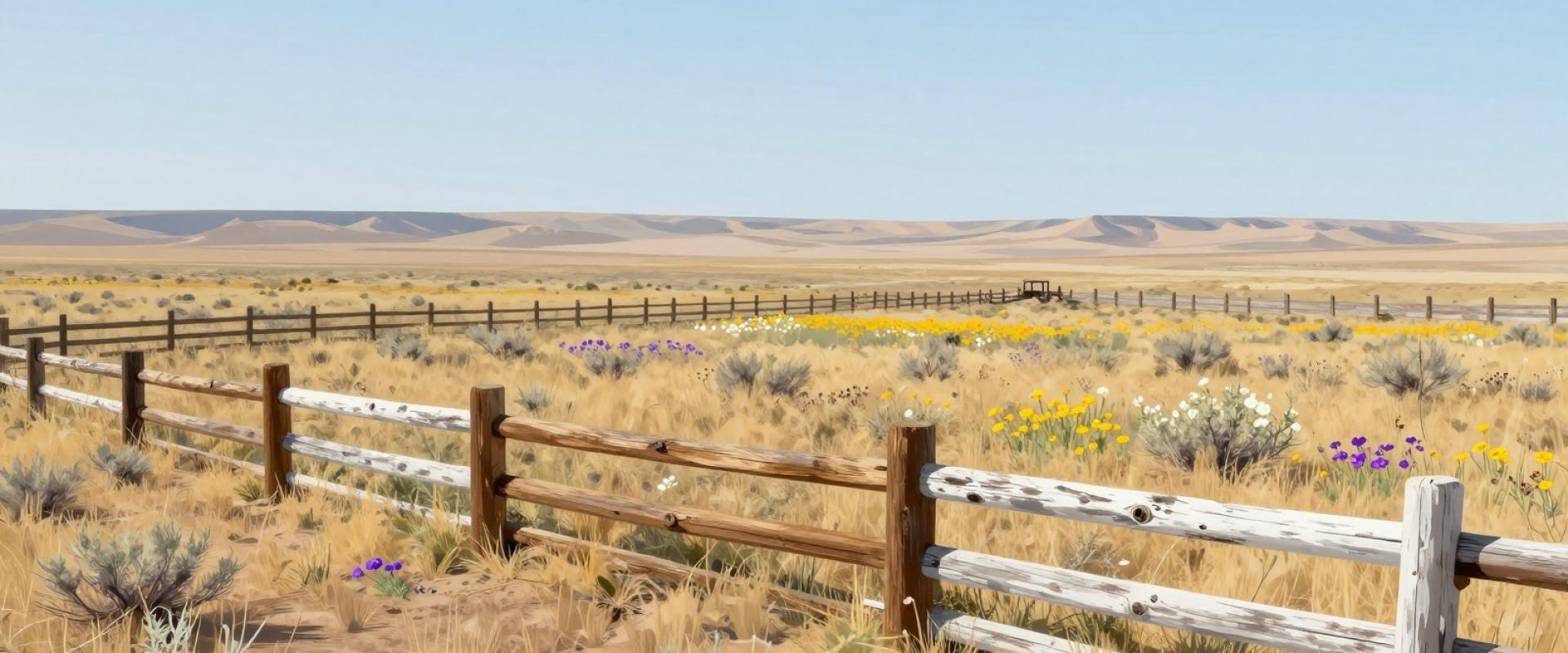
Stepping into the bloom-filled meadows is enchanting, but it comes with a responsibility. The delicate roots of plants like purple camas are fragile, easily crushed by casual foot traffic. We must be mindful of where we step.
This is not just about protecting the plants; it is about respecting the ecosystem that supports them. When we step off the designated trails, we risk damaging the root structures that will ensure these blooms return next year. It is a small act, but it has a significant impact.
We encourage families to pause and observe the beauty from the trail edge. Let the children look, but keep the feet on the path. This approach teaches a valuable lesson in stewardship. By staying on the marked trails, we help preserve the wild beauty of Oregon, ensuring that the magic remains for future generations to experience. It is a small effort, but a vital one.
The Final Bloom: A Promise of Return
The crisp air bites gently at our cheeks as we pause at the edge of the trail. The silence of the forest is broken only by the rustle of leaves and the distant call of a bird. We stand on the edge of the fading meadow, watching the last yellow daffodils sway, their petals trembling in the cool breeze.
This is not an ending, but a promise. The wild irises, with their deep purple hues, are already stirring beneath the soil, waiting for the sun to kiss the slopes of the mountain once more. The cycle continues, even as we prepare to leave.
For a family, these moments are anchors. They ground us in the present, reminding us of the simple, enduring beauty of the natural world. We take a deep breath, the scent of pine and damp earth filling our lungs, and snap a final photo. The children laugh, their faces bright with the joy of discovery, unfazed by the cooling air.
We leave the wild blooms to continue their quiet work, carrying the peace of the forest with us. We return home, ready to share the beauty we have found, and eager to return to the green, blooming embrace of Oregon’s spring.