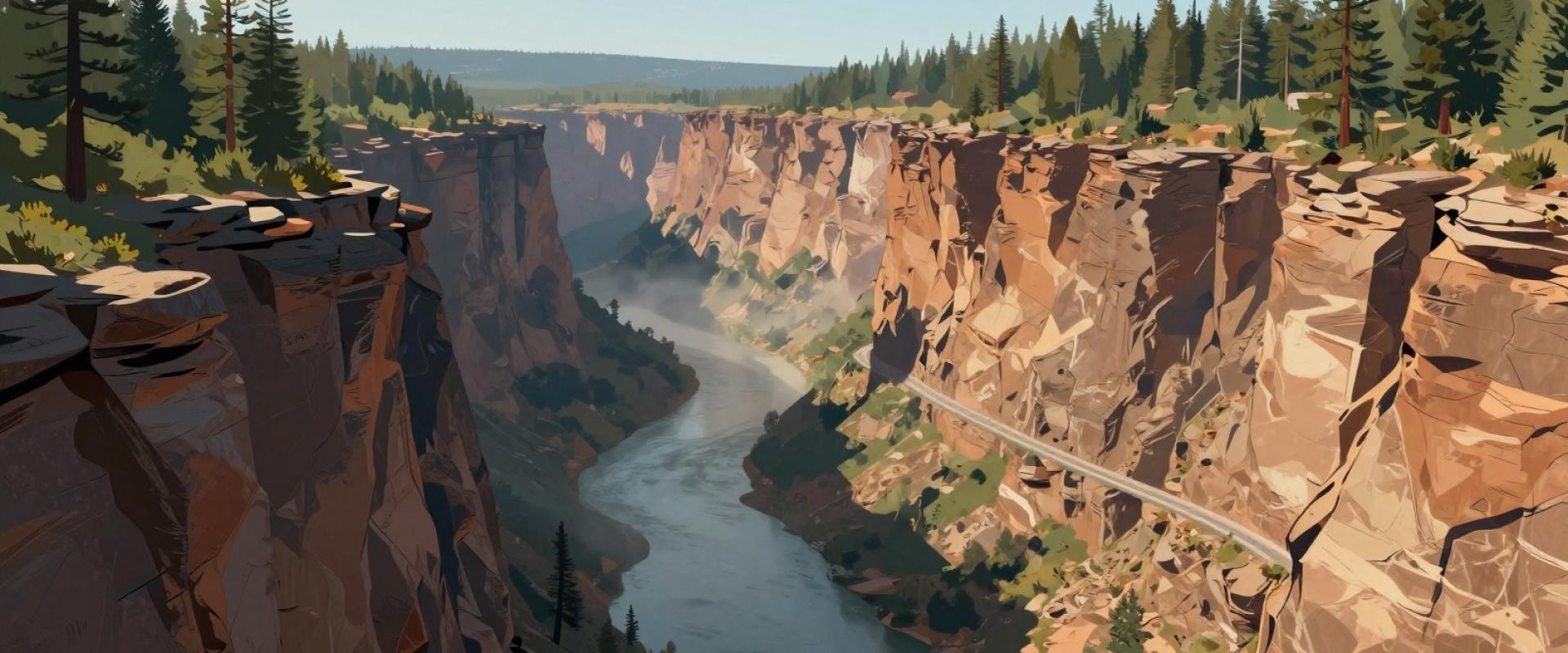
The Geologic Gatekeeper
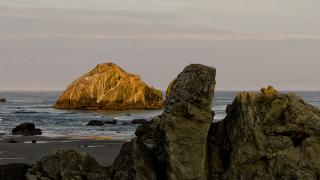
The Columbia River Gorge is not merely a scenic backdrop; it is a geological event frozen in stone. Formed by the cataclysmic Mississippian floods, this landscape is defined by steep, basalt cliffs that serve as the rugged spine of the region. The visual impact is immediate and striking: sheer rock faces rise abruptly from the water, creating a dramatic stage for the river’s flow.
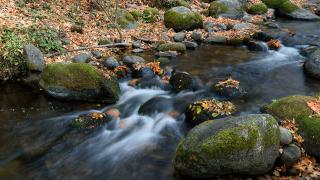
This unique topography creates a distinct microclimate. The mist generated by the waterfall and river spray keeps the surrounding area lush, fostering a vibrant temperate rainforest that stands in stark, beautiful contrast to the arid high plains nearby. Here, the earth’s deep history is written in stone, waiting to be read by those who take the time to look closely.
The drive along the historic Columbia River Highway demands more than just a steady hand; it requires focused attention. As you navigate the twisting roads that hug the steep, basalt cliffs, visibility can change in an instant. The dense mist that rolls through the gorge often reduces visibility, turning a simple drive into a test of alertness.
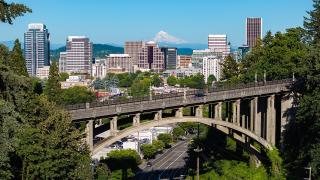
While the iconic 1913 steel bridge offers a breathtaking, panoramic perspective, the journey is often crowded. During peak summer months, the roads can become congested with traffic, turning a serene drive into a test of patience. It is crucial to remain vigilant, watching for pedestrians who may wander near the road edges, particularly around popular stops like Multnomah Falls.
The Iconic Waterfalls: Multnomah and Beyond
Multnomah Falls stands as the definitive anchor of the Columbia River Gorge. This two-tiered cascade plunges with force, its misty spray cooling the air and coating the surrounding ferns in a perpetual dampness. The iconic bridge spanning the upper tier is not just a structural necessity but a landmark in its own right, offering a spectacular vantage point for the 185-foot drop.
Accessing this view, however, requires planning. Due to the high volume of visitors, timed parking reservations are now mandatory. You must arrive early to secure a spot, ensuring that the stress of finding parking does not overshadow the experience. By planning ahead, you allow yourself to focus on the natural grandeur rather than logistical hurdles, fully appreciating the rugged beauty of the gorge.
Hiking the Trails: Terrain and Safety
The terrain in the Columbia River Gorge is rugged and demands respect. Trails are often steep, slippery, and muddy, particularly after a rain. It is essential to wear proper footwear with good traction to navigate the roots and rocks safely. Stability is crucial; exercise caution with every step, as the ground can be surprisingly unstable.
Always check the weather forecast before heading out. The region’s weather is changeable, and conditions can shift rapidly. Prepare for variable weather by bringing layers, including a rain jacket, to ensure comfort regardless of the sudden chill. A little preparation goes a long way in ensuring a safe and enjoyable experience, allowing you to focus on the trail ahead rather than the elements against you.
Practical Tips for a Seamless Experience
To ensure a smooth visit, start by securing your entry. Purchase a Northwest Forest Pass in advance, as walk-up availability is limited. This small upfront cost prevents the awkwardness of encountering enforcement officers or finding closed gates upon arrival.
Before setting out, check trail conditions on resources like AllTrails. Look for any fire closures, road closures, or rockslide alerts that might affect your planned route. Additionally, pack layers appropriate for the weather, as temperatures can drop quickly in the gorge, especially near the water.
Finally, practice responsible travel. Stay on marked trails to protect the fragile ecosystem and leave no trace. By respecting the natural environment, you help preserve the rugged beauty of the Columbia River Gorge for future visitors, ensuring that the magic of this place remains intact.
Note: All content is written in English. Please ensure you are fully prepared for variable weather conditions and steep terrain.