




Beyond the Trailhead: Unearthing Central Oregon’s Wild Heart
Most visitors flock to the designated campgrounds just outside Bend, trading solitude for convenience. But if you are willing to drive a few miles past the pavement, the Deschutes National Forest reveals a different side—one defined by silence, stark beauty, and genuine isolation. Dispersed camping here is not just a budget-friendly alternative; it is an invitation to step into the rugged heart of the Cascades. However, this freedom comes with a caveat. The wilderness is dynamic, and conditions shift without warning. Recent temporary closures near popular entry points serve as a sobering reminder that access is never guaranteed. You must verify current land status before you pack your gear. What was open last week may be shut today due to fire danger, wildlife activity, or maintenance. Embracing this wildness requires humility. It demands that you listen to the land, adapt your plans, and leave no trace, ensuring your presence improves rather than degrades the environment.
Ghost Roads and Pine Canopies: Mapping the Prime Spots Near Bend
To find true solitude, you must abandon the well-trodden paths along Highway 20 and the crowded banks of the Metolius River. These scenic arteries are beautiful, yes, but they are also congested. The sense of isolation you crave dissipates quickly amidst the hum of traffic and the chatter of day-trippers. Instead, turn your attention to the quieter gravel networks winding through the surrounding foothills. Here, the only vehicles you might encounter are working ranch trucks, their headlights cutting through the twilight.
Navigating these unpaved routes demands patience and a steady hand. The terrain is deceptive; hidden washouts, soft clay spots, and loose gravel can surprise an unprepared driver. Scan the road ahead, take your time, and prioritize your vehicle’s safety while protecting the landscape from unnecessary damage. When you finally choose a campsite, adhere strictly to the rule of staying at least 100 feet away from any water source. This distance is non-negotiable for protecting Oregon’s fragile aquatic ecosystems from contamination. It is a small sacrifice that ensures the region’s natural beauty remains pristine for future generations.
The reward for this effort is profound. Under the towering pine canopies, the air feels cleaner, and the noise of modern life fades into a distant memory. It is a space for disconnecting, recharging, and simply being. But responsible camping extends beyond finding a quiet spot. It requires you to pack out every piece of trash, including food scraps and hygiene products. Oregon’s wild spaces demand respect, and our collective actions determine whether they remain untouched havens or degraded tourist traps. Lace up your boots and explore with intention. By following these guidelines, you contribute to the preservation of these unique environments, allowing others to experience the same peace you have found.
Surviving the Freeze: Gear Up or Shiver Through
The high desert is deceptive. While the sun may be blazing during the day, temperatures in Deschutes County plummet with startling speed once it dips below the horizon. You cannot afford to be caught unprepared. A sleeping bag rated for 15°F and a sleeping pad with an R-value of 4 or higher are not luxuries; they are survival essentials against the biting chill. Layering your clothing is equally critical. Treat your wardrobe as a system rather than an afterthought, using moisture-wicking base layers, insulating mid-layers, and windproof outer shells to stave off hypothermia.
Beyond personal comfort, preserving the rugged beauty of the high desert is a shared responsibility. Always pack out every scrap of waste, including food scraps and toilet paper. This simple act of respect ensures that the wild spaces remain intact for others. By staying warm and respecting the environment, you protect the very wilderness that makes the experience so rewarding. Do not let the cold or carelessness diminish the magic of the night.
Leave No Trace: Guardians of the High Desert
The high desert does not merely ask for respect; it demands it. Operating on a strict code, every action ripples through the fragile ecosystem. You must pack out every scrap of trash, ensuring that the silence you come to hear remains undisturbed by human debris. This is not just about cleaning up; it is about recognizing that the soil here is ancient and fragile, taking decades to recover from the simple act of stepping off the trail.
Stewardship is not a suggestion but a non-negotiable part of the experience. View yourself not as a conqueror, but as a temporary guest. When you move through this landscape, your primary goal is to leave the land in the exact condition you found it. Dig catholes six inches deep for human waste, and remember that firewood collection is strictly prohibited to prevent the spread of invasive species. Protect the silence. Protect the soil. Your choices define the character of these spaces, preserving the integrity of the sun-baked trails for those who will follow in your tire tracks.
This approach transforms your visit from a simple pass-through into a meaningful interaction with the wild. By honoring the land, you become part of the solution, ensuring that the raw beauty of the landscape remains intact for future explorers to discover and cherish.
Lace Up and Drive: Your Wild Awaits
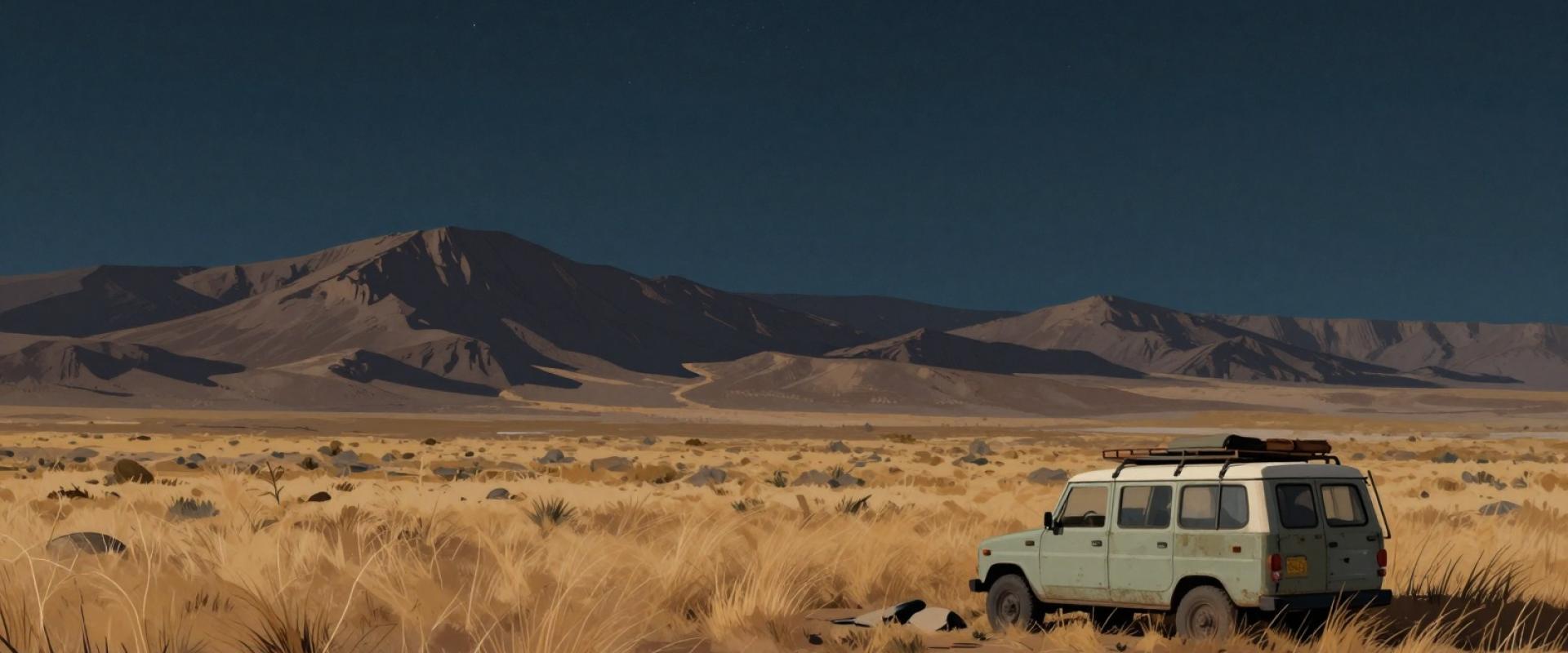
Before you turn the key, verify that your tires, batteries, and fuel tanks are in top shape for the high desert terrain. While Oregon’s public lands generally offer free dispersed camping, regulations from the Bureau of Land Management and the Forest Service differ significantly by region. Recent closures near Bend serve as a stark reminder to check for current permits and access restrictions before you head out. Leave no trace behind by packing out all your trash and respecting the delicate ecosystem. The wild awaits your respectful exploration, so gear up and go.