The Oregon Outback Dark Sky Sanctuary
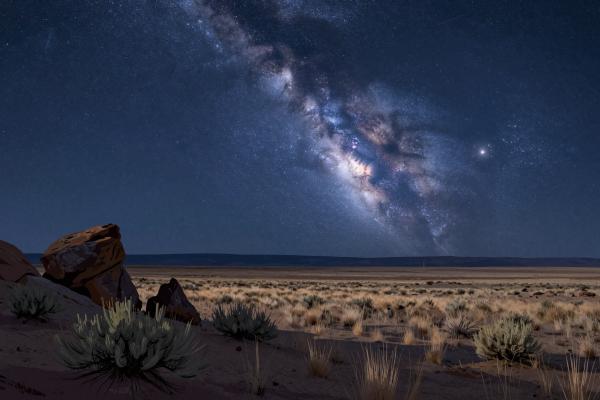
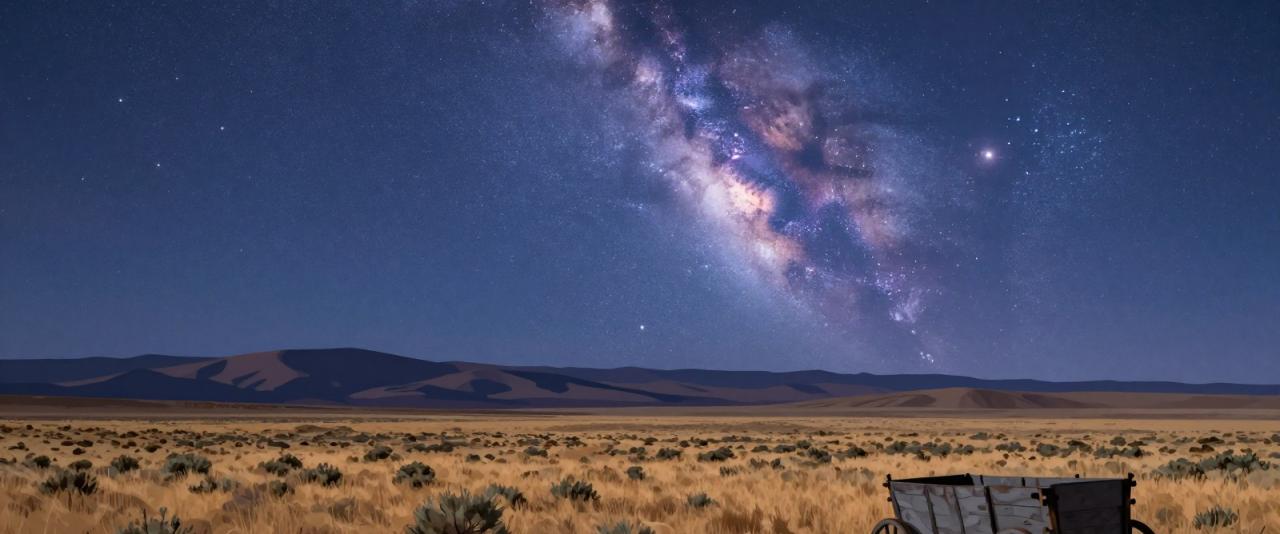
In March 2024, DarkSky International certified a huge area of Lake County, in south-central Oregon, as the Oregon Outback International Dark Sky Sanctuary. At about 2.5 million acres, it was announced as the largest dark sky sanctuary in the world, and organisers hope to extend it across more of southeastern Oregon in later phases. The designation recognises what local residents already knew: in a county larger than Connecticut with only around 8,000 people, artificial light is almost absent, and on a clear, moonless night the Milky Way is bright enough to cast faint shadows.
Most of the sanctuary is public land, managed by the Bureau of Land Management, the Forest Service and the U.S. Fish and Wildlife Service. Much of it lies between about 4,000 and 6,000 feet above sea level, and the dry air of the high desert keeps skies clear for much of the summer.
When to Go
Summer is the most comfortable season. From June through August, the bright core of the Milky Way rises in the south after dark and arcs high overhead by midnight. Plan your trip around the new moon; for about a week either side, the moon will be absent or set early enough to leave the sky dark. Late summer brings the Perseid meteor shower, which peaks around August 12 and 13.
Two cautions. Wildfire smoke can haze the sky in late summer, sometimes for days at a time, so check air-quality forecasts. And summer thunderstorms occasionally build over the mountains in the afternoon, though they usually clear by night.
Where to Watch in Lake County
Fort Rock State Natural Area. About an hour and a quarter southeast of Bend, Fort Rock is a ring of volcanic rock rising from a flat valley floor. The open land around it gives a wide, unobstructed horizon. The state natural area is for day use; for overnight stays, look for lodging or camping around Christmas Valley and Silver Lake.
Summer Lake. Along Oregon 31, the broad, shallow Summer Lake lies beneath the long rim of Winter Ridge. The Summer Lake Wildlife Area has primitive camping, and a privately run hot springs resort nearby rents cabins and campsites, a comfortable base for night-sky viewing.
Hart Mountain National Antelope Refuge. In the far southeast of the county, the refuge's Hot Springs Campground, above 5,000 feet, is one of the darkest and most remote places to camp in Oregon. The drive includes long stretches of gravel road, there are no services, and you must bring all your water and fuel. Pronghorn, mule deer and bighorn sheep live on the refuge.
Goose Lake and Lakeview. Near the California border, Lakeview is the county's largest town and its main supply stop. Goose Lake State Recreation Area, just south of town, has a campground with open views over the lake basin.
Other Dark Skies in Oregon
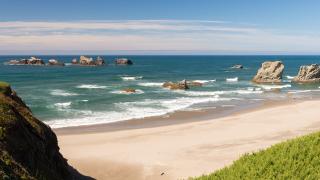
If Lake County is too far, Prineville Reservoir State Park, east of Bend in Crook County, has been certified as an International Dark Sky Park and holds star parties in summer. Near Bend, the Sunriver Nature Center runs an observatory with public viewing nights. On the coast, by contrast, fog and cloud are common even in summer, and towns like Bandon are better known for sunsets than for dark skies.
What to Bring
- Warm layers. High-desert nights often fall to the 40s Fahrenheit or lower, even after a hot day. Bring a hat, gloves and a warm jacket.
- A red light. A red headlamp keeps your eyes adapted to the dark. White light, including phone screens, resets your night vision for up to half an hour.
- Sun protection for the day. The sun is strong at these elevations, and there is little shade.
- Water, fuel and food. Distances between towns are long, gas stations are few, and many roads have no mobile coverage. Fill up in Bend, La Pine, Lakeview or Christmas Valley.
- A chair or pad and binoculars. Ordinary binoculars show star clusters, the Andromeda Galaxy and the moons of Jupiter.
Respecting the Dark
When you arrive at a viewing spot after dark, switch off headlights as soon as you can, and keep vehicle interior lights off. Stay on established roads and campsites, close gates behind you on ranch land, and observe fire restrictions, which are common in summer. Much of the sanctuary is working rangeland, and its darkness depends on the people who live there.