



When Harvest Happens
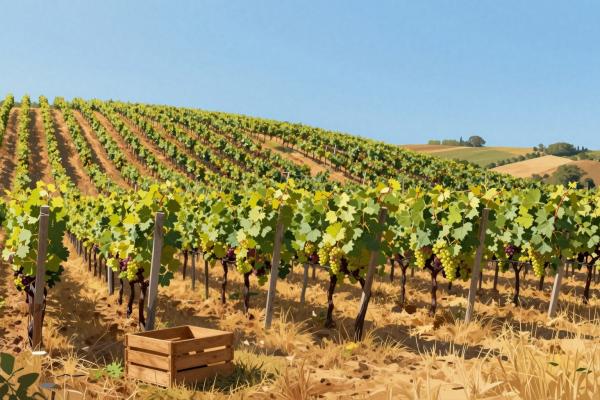
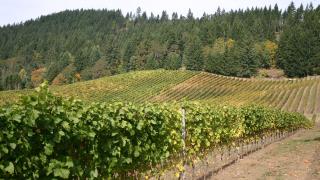
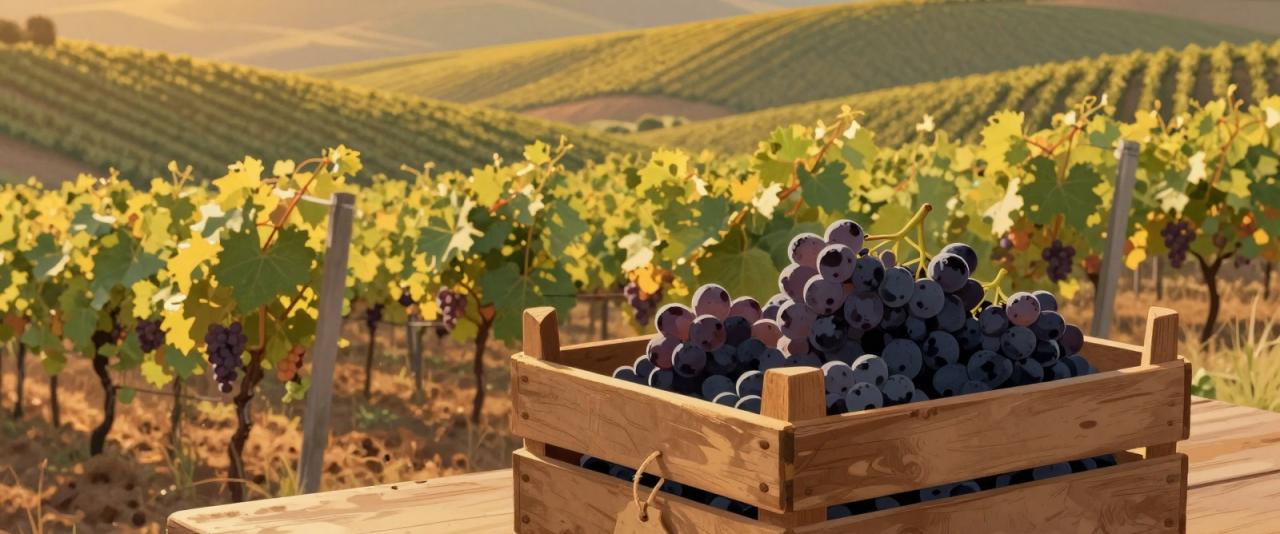
In the Willamette Valley, the grape harvest usually begins in early to mid-September and runs into October. Exact dates shift every year with the weather: a warm summer brings picking forward, while a cool one pushes it toward mid-October, when autumn rains become a risk. Within any one year, white grapes and sparkling-wine fruit tend to come in first, followed by Pinot Noir, with cooler, higher vineyards often picked last.
Winemakers decide when to pick block by block, tasting grapes and measuring sugar and acidity daily as harvest approaches. Crews often start before dawn, so that fruit arrives at the winery cool, and the vineyards fill with the sound of tractors, bins and pickers moving down the rows.
Visiting During Harvest
Harvest is a busy, exciting time to visit. You may see bins of fruit being unloaded, sorting tables at work and fermentation tanks bubbling, and the air around wineries smells of crushed grapes. It is also the most demanding time of year for winery staff, so a little planning helps:
- Book ahead. September and October weekends are among the busiest of the year. Reserve tastings, lodging and dinners in advance.
- Expect some limits. Winemakers are usually too busy to host visitors, and some smaller producers reduce tasting hours. Production areas may be off-limits for safety.
- Look for harvest events. Some wineries hold harvest dinners or seasonal releases for club members. Grape stomping and hands-on picking are rare, and you should not count on them.
- Go midweek if you can, when tasting rooms are quieter.
The weather in September is often warm and dry, with crisp mornings; by mid-October, rain is common, and the vines start turning yellow and red after picking.
Why Vintages Differ
Because the valley sits near the cool limit for ripening Pinot Noir, each vintage reflects its growing season more than in warmer regions. Warm, dry years produce riper wines with darker fruit and fuller body. Cooler years give lighter, more fragrant wines with brighter acidity, which many enthusiasts prize. Rain at harvest, early frost or late-summer heat waves can all leave their mark. When you taste, ask staff how the last few vintages compared; most are happy to explain why one year tastes different from the next.
The vineyard site matters as much as the year. The red volcanic Jory soils of the Dundee Hills and parts of the Eola-Amity Hills are associated with red-fruited, silky wines, while vineyards on old marine sediments, as in the Yamhill-Carlton area, tend to produce darker, more structured ones. The Eola-Amity Hills, west of Salem, are cooled by strong afternoon winds through the Van Duzer Corridor, a gap in the Coast Range.
Where to Base Yourself
For a harvest visit, McMinnville, Newberg, Dundee and Carlton put you within a short drive of hundreds of wineries. McMinnville has the largest choice of restaurants and lodging and a walkable downtown with tasting rooms. Dundee and Newberg sit right beneath the Dundee Hills, where many of the valley's best-known producers have tasting rooms with views over the valley. Salem is a practical base for the Eola-Amity Hills.
Pinot Noir at the Table
Willamette Valley Pinot Noir is a flexible food wine, with moderate tannins and fresh acidity. At harvest time, look for menus built around autumn produce: wild and cultivated mushrooms, roast chicken and duck, salmon, pork and root vegetables all suit it. Lighter, cooler-vintage wines pair well with salmon and mushrooms; riper wines stand up to duck and lamb.
The valley also has a growing number of cheesemakers, and a simple board of local cheese, hazelnuts and bread is the easiest picnic to put together for a winery lawn. Many wineries allow picnics if you buy a bottle; check before you go.
After Harvest
New wines from each harvest take time. Most Willamette Valley Pinot Noir is aged in barrel for around a year or more before bottling, so the wines you taste during harvest are from earlier vintages. If you want to follow a particular year, Thanksgiving weekend is a good time to return: it is a traditional open-house weekend, when many wineries that are normally closed or appointment-only open their doors and sometimes offer barrel tastings of the newest wines.