



Seasonal Demand Dynamics
Oregon’s booking landscape shifts dramatically with the seasons. Summer peaks in Central Oregon and the Coast Range. Hotels in Bend and coastal towns fill months ahead. Prices surge during July and August holidays. Winter demand shifts sharply to Cascade ski resorts. Areas like Mt. Hood and Timberline see high occupancy. Book ski lodges early for holiday weekends. Shoulder seasons offer better availability and pricing. Spring and fall provide quieter experiences. May and September are ideal for coastal visits. Coastal hotels drop rates significantly outside summer. Central Oregon valleys remain accessible year-round. Regional specificity is critical for planning. Coastal bookings require different timing than mountain stays. Plan coastal trips for late spring or early fall. Mountain trips need winter reservations for peak snow. Budget travelers should target shoulder months. Average hotel rates drop by twenty percent in May. September offers similar savings with stable weather. Avoid booking last minute during peak seasons. Last-minute coastal rooms often exceed $300 per night. Mountain lodges near ski lifts sell out by November. Secure accommodations at least three months in advance for summer. Winter ski packages often include lift tickets. Compare prices across multiple booking platforms. Local boutique hotels may have better availability. Large chain hotels fill faster in resort towns. Use flexible dates to find lower rates. Oregon’s diverse geography creates distinct booking windows. Align your travel dates with regional demand cycles. This strategy ensures better prices and availability.
State Park and Public Land Reservations
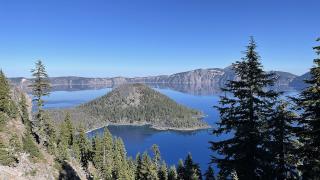
Oregon state parks utilize a centralized reservation system. Bookings open exactly 60 days in advance. The release time is strictly 8:00 AM Pacific Time. Popular coastal and inland parks fill rapidly. Sites at Cannon Beach or Crater Lake vanish quickly. You must create an account before the release date. Pre-registering saves critical minutes during the booking window. Save your payment information in your profile beforehand. This step reduces checkout errors during high traffic. System crashes are common due to high demand. Have a backup device ready for access. Amenities vary significantly between different site types. Rustic sites offer basic fire rings and picnic tables. Full-service sites include electrical hookups and water access. Choose your site type based on your gear. Campers with large RVs need full-service connections. Tent campers may prefer rustic, wooded locations. Check specific park pages for amenity details. Some parks lack shower facilities entirely. Plan your stay duration according to site limits. Most sites allow stays up to 14 days. Extended stays may require special permits or separate bookings. Always verify current rules before arriving. Fees vary by site and season. Pay online in advance to secure your spot. Walk-in availability is rare and unpredictable. Do not rely on finding open sites on arrival. Pre-booking is the only reliable method for securing lodging. Check for closures or fire restrictions before traveling. Weather conditions can impact access to remote areas. Always check official Oregon State Parks alerts. Plan for limited cell service in remote areas. Download maps and information before arriving at the site. Self-sufficiency is key for remote camping experiences. Bring all necessary supplies, including firewood and water. Some areas do not allow campfires. Check specific fire regulations for your chosen site. Be prepared for variable weather conditions. Summer months are dry, increasing fire risk. Winter months may bring snow and ice. Pack appropriate gear for all weather conditions. Be respectful of other campers and wildlife. Follow all posted rules and regulations. Leave no trace to preserve the natural environment. Oregon’s public lands are a shared resource. Protect them for future generations to enjoy. Plan carefully and respect the natural environment. This ensures a safe and enjoyable experience for all visitors. Oregon’s natural beauty is a precious resource. Protect it by following all park rules. Be a responsible visitor and leave no trace. This helps preserve the natural beauty for everyone. Oregon’s public lands are a shared resource. Protect them by following all park rules. Be a responsible visitor and leave no trace. This helps preserve the natural beauty for everyone. Oregon’s public lands are a shared resource. Protect them by following all park rules. Be a responsible visitor and leave no trace. This helps preserve the natural beauty for everyone.
Vacation Rental Nuances and Fees
Oregon enforces strict local ordinances for short-term rentals. Major cities require specific licensing for hosts. You must verify this compliance before booking. Unlicensed properties risk immediate eviction without refund. Cleaning fees in Oregon are often significant. These costs vary widely by property size. Expect fees ranging from $75 to $150. Occupancy taxes are not always included in the base rate. These variable taxes add to your final total. Pet policies differ strictly between individual hosts. Many rentals prohibit animals entirely. Others allow pets with a non-refundable fee. This fee typically ranges from $50 to $100. It is charged per stay, not per night. Always read the specific house rules carefully. Cancellation terms vary significantly by host. Some require full payment upon booking. Others offer flexible cancellation windows up to 48 hours. Always review the specific cancellation policy for each listing. Do not assume standard refundability applies. Verify all fees before confirming your reservation. Hidden costs can significantly impact your travel budget. Oregon’s regulatory environment is strict and specific. Ensure all host requirements are met in advance. This prevents unexpected charges or booking cancellations. Always communicate directly with the host if unsure. Clear communication prevents misunderstandings during your stay. Oregon’s vacation rental market is highly regulated. Compliance is mandatory for both hosts and guests. Always verify the legal status of the rental. This protects you from legal complications. Oregon’s strict laws ensure safety and compliance. Always prioritize legal compliance in your bookings.
Historic Inns and Boutique Hotels
Oregon’s historic inns and boutique hotels operate with limited inventory. Many properties feature fewer than twenty rooms. This scarcity creates high demand during peak seasons. You must book early to secure availability. Online travel agencies rarely offer discounts for these unique stays. Direct booking often yields better rates and flexibility. Contact the property directly to inquire about special requests. Staff can accommodate specific dietary needs or accessibility requirements. Amenity verification is critical before confirming your reservation. Air conditioning is not standard in older historic buildings. Many coastal and mountain inns rely on natural ventilation. Verify if private bathrooms are included in your rate. Some historic rooms share facilities with other guests. Package deals frequently include local tours and activities. These bundles provide value beyond the room rate. Check for partnerships with regional wineries or hiking guides. Prices for boutique accommodations vary significantly by location. Coastal properties in Cannon Beach command premium rates. Inland historic inns in Ashland may offer better value. Always verify cancellation policies directly with the host. Last-minute bookings are rarely available for popular boutique inns. Plan your stay well in advance to ensure availability. Direct communication ensures you receive accurate, up-to-date information.
Connectivity and Remote Area Logistics
Remote Oregon regions lack consistent cellular service. You must verify connectivity before arrival. Many rural areas offer no cellular signal. Wi-Fi is rarely available in remote lodges. Download offline maps for navigation before departure. Cell service often fails in deep canyons. You cannot rely on mobile data for directions. Cash is essential for remote transactions. Many rural lodges do not accept credit cards. You must carry sufficient cash for tips and fees. Verify payment methods with the host directly. Advance confirmation is critical for remote stays. Contact the property to confirm check-in procedures. Inquire about specific check-in instructions in advance. Some locations require self-check-in codes. These codes are often sent via email. Ensure your email address is correct. Internet access may be limited or non-existent. Plan to disconnect from digital devices. Prepare for limited communication options. Bring a physical map as a backup. Digital maps may fail without signal. Pack extra batteries for electronic devices. Power outlets may be scarce in remote areas. Charge all devices fully before arrival. Be prepared for limited connectivity options. Plan to disconnect from digital devices. Prepare for limited communication options. Be self-sufficient in remote areas. Bring necessary supplies for your stay. Verify all logistical details with the host. Ensure you have all required documentation. Check in according to specific instructions. Respect local regulations and customs. Enjoy the solitude of remote Oregon.