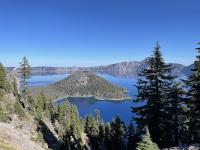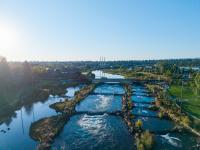
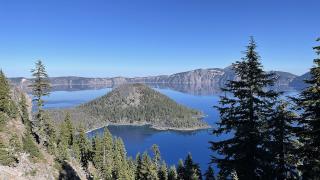

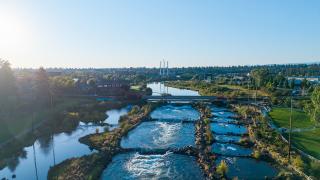




Peak season runs late June through early September. Demand is high in popular areas. Advance booking is essential for coastal and gorge trips. June offers ideal coastal conditions. Crowds remain manageable during this month. Wildflowers bloom along the shoreline. Parking availability improves significantly. The Columbia Gorge suits late spring visits. Waterfalls peak during snowmelt periods. View quality is optimal then. Bend’s Deschutes River float season opens later. Water temperature determines swimming safety. Plan weekday visits for quieter experiences. This strategy reduces congestion at key sites. Local guides prioritize field-tested timing. Book accommodations months ahead for summer. September brings fewer visitors. Weather remains pleasant for outdoor activities. Early planning ensures access to limited lodging. Oregon’s diverse regions require distinct scheduling. Align your itinerary with seasonal water levels. Check specific trail conditions before arrival. Flexibility helps navigate sudden weather changes. Prioritize reservations for high-demand zones. This approach secures better rates. It also guarantees preferred locations. Oregon’s natural beauty demands respect. Proper timing enhances the overall experience. Avoid last-minute bookings during peak months. Secure your stay well in advance.
Strategic Timing and Weekday Advantages
Book trips to the Oregon Coast and Columbia Gorge on weekdays. This strategy ensures a quieter experience away from weekend crowds. Weekend rates are typically higher for lodging in these popular areas. Traveling mid-week offers significant cost savings for your itinerary. Planning around the work week helps avoid congestion at major sites. Popular trails and scenic viewpoints see reduced traffic from Monday to Thursday. This approach minimizes stress associated with finding parking or waiting in lines. You gain better access to local eateries and breweries without long waits. The overall travel experience improves by reducing physical crowding and noise. Shorter lines mean more time for actual exploration and relaxation. Local guides recommend this schedule for optimal enjoyment of natural features. Avoiding peak weekend hours allows for a more peaceful adventure. This method is particularly effective for families seeking a calm environment. Strategic timing transforms a busy destination into a serene retreat. Prioritize weekday bookings to maximize value and comfort during your Oregon visit.
State park cabins and remote vacation rentals in Oregon have specific booking constraints. Strict cancellation policies are common. You must carefully review all terms before confirming. Limited connectivity in remote areas is a key consideration. Many locations lack reliable cell service or Wi-Fi. Plan your communication strategy accordingly. Understanding specific lodge policies is essential for a smooth stay. Some properties require full payment at booking. Others hold deposits until arrival. Check for minimum stay requirements during peak seasons. Remote cabins often have strict check-in procedures. You may need to pick up keys from a secure box. Verify access instructions in advance. Bring cash for off-grid locations that do not accept cards. Review pet policies if traveling with animals. Oregon’s unique lodging landscape demands attention to detail. Careful preparation ensures a stress-free experience. Always confirm amenities directly with the host. This prevents unexpected surprises upon arrival.
High-demand Oregon areas often add cleaning fees to base rates. These costs significantly increase the total price of your stay. Review the final checkout total before confirming any reservation. Unexpected charges for amenities or services are common in popular regions. Always verify what is included in the nightly rate. Local quirks vary widely between different lodging providers. Some remote cabins require specific check-in procedures. You may need to pick up keys from a secure lockbox. Others might mandate a digital check-in process via an app. Understanding these details in advance ensures a smoother stay. Do not assume standard hotel protocols apply to all Oregon rentals. Carefully read the house rules provided by the host. This practice helps avoid unexpected expenses during your trip. Planning for these local variations is essential for budget accuracy.
Final Planning Checklist for Oregon
Confirm all reservations immediately. Popular Oregon destinations fill quickly. Book coastal and gorge trips early. June offers ideal coastal conditions with manageable crowds. Weekday stays reduce costs significantly. Avoid weekend premiums in high-demand areas. Review cancellation policies carefully. Strict terms apply to state park cabins. Remote vacation rentals often enforce non-refundable rules. Check for hidden cleaning fees. These charges inflate total stay costs significantly. Verify final checkout totals before payment. Prepare for limited connectivity in remote zones. Cell service drops in many mountain regions. Download offline maps before departure. Stay flexible with your itinerary. Local conditions change rapidly. Spring snowmelt affects Columbia Gorge waterfalls. Deschutes River float season depends on water temperature. Adjust plans based on real-time local updates. Prioritize safety and comfort over rigid schedules. Confirm lodging amenities match your needs. Ensure parking availability at trailheads. Verify pet policies if traveling with animals. Oregon’s diverse landscapes require adaptable planning. Finalize all bookings before arrival. This ensures a smoother, more enjoyable trip.